


Rwanda is dedicated to transforming its economy, with trade playing a central role in its strategy. As a landlocked nation with limited natural resources, cross-border trade has become vital for its growth and regional integration.
By actively engaging in the East African Community (EAC) and the African Continental Free Trade Area (AfCFTA), Rwanda is enhancing its economic connections with neighboring countries and creating new opportunities.
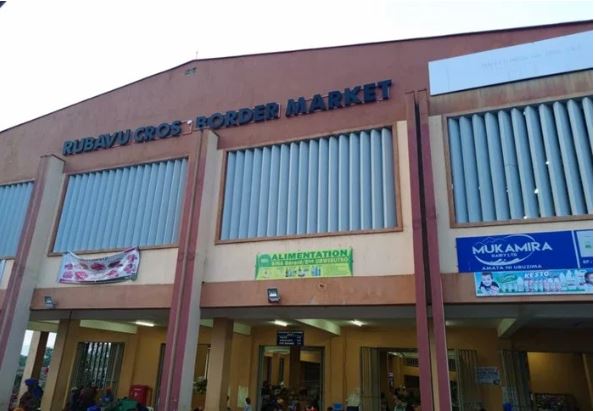
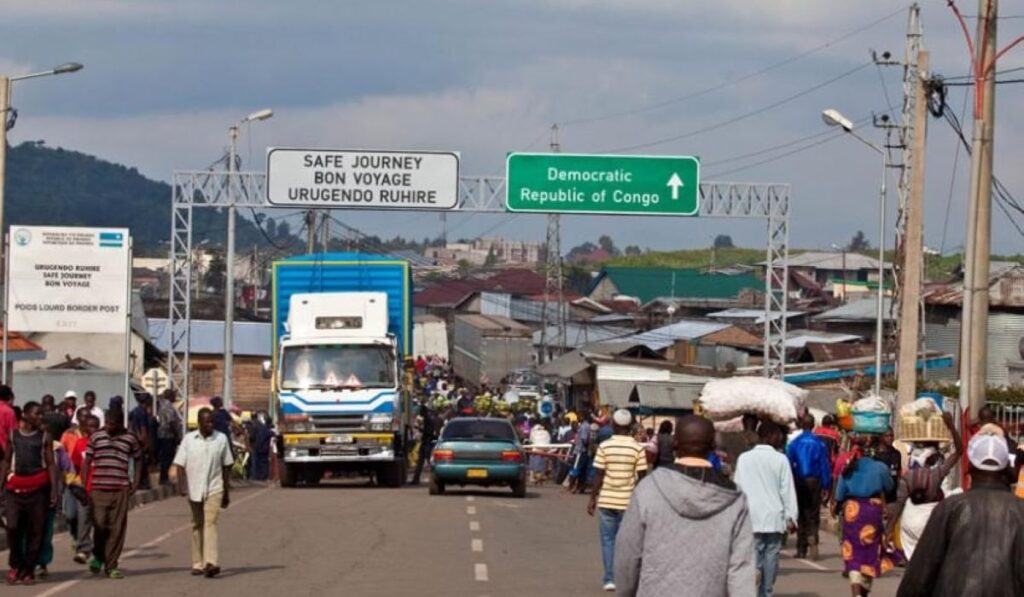
One of the most notable advancements in Rwanda’s economic transformation is the establishment of cross-border markets. Regions like Rubavu with its market at the gate of Goma, the capital city of Northern Kivu Province of DRC bordering with Rubavu district in the Western part of Rwanda is no wonder the favorite market near the border with the Democratic Republic of Congo (DRC), and Burera, which borders Uganda, have experienced a surge in local markets.
These markets are essential for improving the livelihoods of local traders. For example, livestock seller Kamanzi Amos from Rubavu used to sell around 200 pigs a week. Since the creation of formal market spaces, he now sells up to 450 pigs weekly.
This increase in business benefits not only traders like Kamanzi but also the local economy as the tax revenue is reinvested into crucial community infrastructure, including roads and healthcare.
“The market has transformed my business. I now have better access to customers and better prices,” Kamanzi says, emphasizing the direct advantages of the market’s formalization. These success stories clearly demonstrate how organized cross-border trade can uplift entire communities.
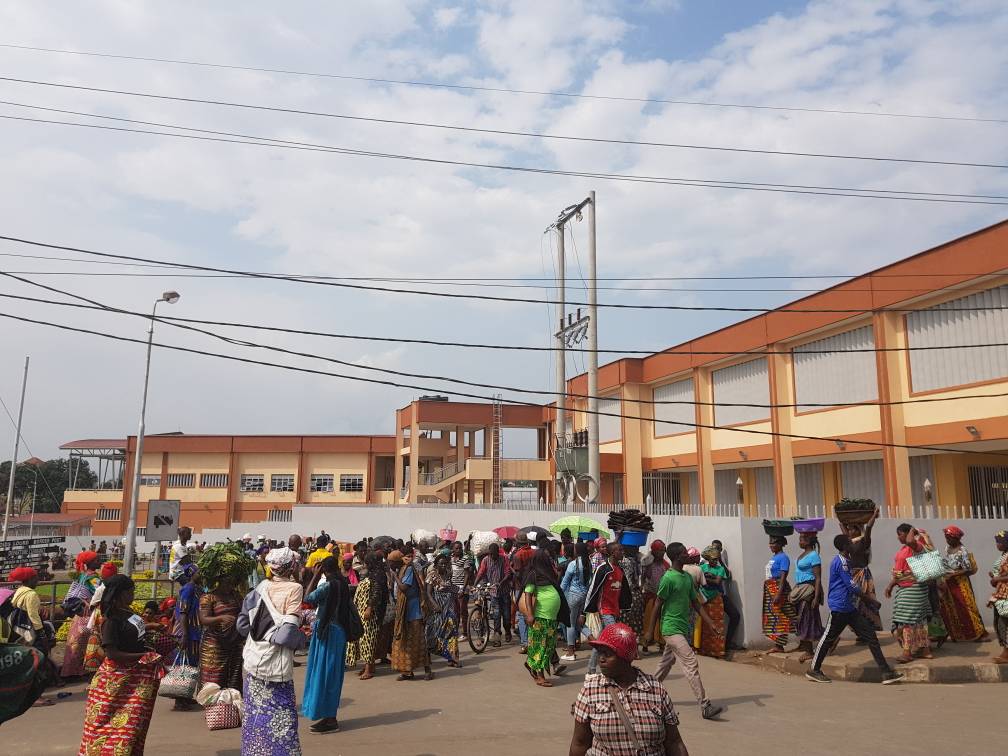
Women have played a crucial role in the success of cross-border trade in Rwanda. More than 70% of those engaged in this commerce are women, especially in the western provinces where poverty is more prevalent.
The government has made efforts to establish more formal markets, ensuring that women have access to financial services, training, and new opportunities. Consequently, many women have expanded their businesses and achieved financial independence.
This change has been vital in narrowing gender gaps and enhancing Rwanda’s overall economic performance.
The government’s initiatives to support women in trade have also reached the digital space. In 2023, Rwanda launched the Amplifying Digital Opportunities in Cross-Border Trade program, supported by the European Union and the Government of Spain. This initiative focuses on small traders, particularly women, youth, and people with disabilities, providing them with access to digital platforms and financial services.
The aim is to remove the obstacles that have historically hindered women’s involvement in formal trade and to equip them with the skills needed to succeed in a digital economy.
Clementine Mukeka, Permanent Secretary at Rwanda’s Ministry of Foreign Affairs, remarked, “Digital tools are enabling women to access markets more easily and grow their businesses. This is not just improving their financial independence, but also contributing to the country’s economic development.”

Rwanda’s emphasis on technology and gender inclusion aligns with its broader economic vision. By empowering women and enhancing access to digital trade, Rwanda is positioning itself as a leader in Africa’s economic transformation. These initiatives underscore Rwanda’s commitment to fostering a more inclusive and sustainable economy.
Rwanda plays a vital role in ensuring food security in the region. The country relies on imports of essential food staples such as maize, rice, and beans from Uganda and Tanzania. These imports are crucial for stabilizing local prices, especially when domestic harvests are uncertain.
For example, in 2023, Uganda’s surplus maize harvest led to a significant drop in prices in Rwanda, enabling the country to acquire enough maize to satisfy its demand. Additionally, as Rwanda’s urban population expands, rice imports from Tanzania have become increasingly important to meet consumption needs.
Beyond food imports, Rwanda’s livestock sector is flourishing. The nation has emerged as a significant exporter of cattle and small livestock, particularly to markets in South Sudan and the Middle East. Despite facing challenges like rising transportation costs and currency fluctuations, Rwanda’s livestock exports continue to grow, providing benefits to local farmers and helping to stabilize domestic prices.
Despite these achievements, Rwanda is encountering difficulties with its cross-border trade efforts. In 2023, rising tensions with neighboring Burundi resulted in a border closure, which led to a 41.5% drop in exports during the third quarter of 2024.
However, Rwanda has remained dedicated to an open trade policy, continuing to import goods from Burundi. This demonstrates Rwanda’s determination to uphold economic stability and promote cooperation, even in the face of political challenges.
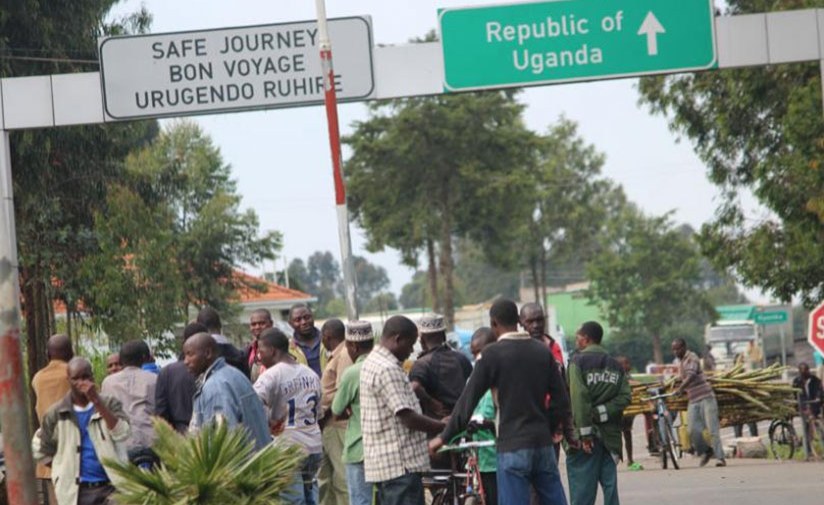
On a brighter note, Rwanda’s relationship with Uganda has improved. In May 2024, a high-level meeting centered on cross-border security underscored the importance of facilitating the movement of goods and people between the two nations. Both governments have expressed a readiness to tackle critical issues such as immigration, trade, health, and customs, reaffirming their commitment to regional integration.
The Rubavu Cross-Border Market is a shining example of success. Situated at the DRC border, it has evolved into a key center for formal cross-border trade. Investments from the government in infrastructure, such as cold-storage facilities and livestock yards, have significantly enhanced trading conditions.
Currently, the market brings in approximately $74,000 in weekly revenue, highlighting the effectiveness of formalizing cross-border trade. “The market has changed the trading landscape,” states Kamanzi. “We now enjoy better prices and have access to a larger customer base.”
Rwanda’s influence in regional trade is steadily increasing. As a founding member of the East African Community (EAC) and an active participant in AfCFTA, Rwanda has access to a market of over 1.4 billion people, presenting immense growth opportunities.
Despite facing challenges like political tensions with the DRC, Rwanda’s dedication to cross-border trade, along with improved infrastructure and digital inclusion, positions the country for ongoing growth. Rwanda is becoming a pivotal trade hub in East Africa, poised for a promising future.
Looking ahead, Rwanda’s cross-border trade initiatives are set to continue fueling economic growth throughout the region. The country’s investments in infrastructure, digital tools, and gender inclusion are laying the groundwork for a vibrant regional economy.
As Rwanda’s markets grow, it will increasingly play a vital role in enabling the free movement of goods, services, and people across East Africa.
By linking small businesses to larger markets, Rwanda is fostering a more inclusive economy. President Paul Kagame highlighted this during the Biashara Conference on AfCFTA in October 2023, stating, “Small and medium businesses are the backbone of Africa’s economy—but they should not remain small.” Rwanda’s commitment to connecting these businesses with regional and continental markets is ensuring that the country remains a significant player in Africa’s economic transformation.