

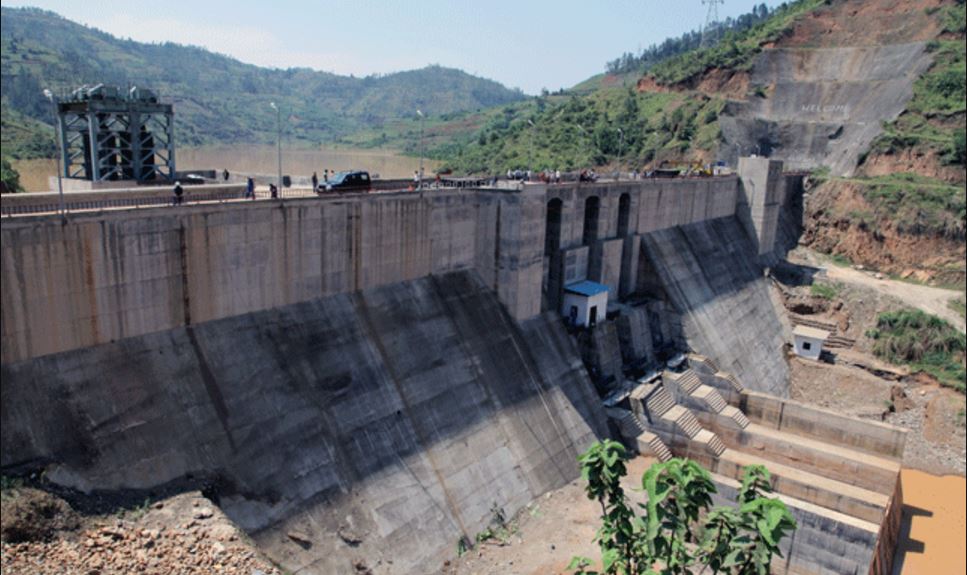
By 2030, three countries—Rwanda, Burundi, and the Democratic Republic of Congo (DRC)—will receive clean, sustainable electricity from the Rusizi III Hydropower Project. This ambitious project, which will generate 206 MW of power, is set to change the energy landscape in the region.
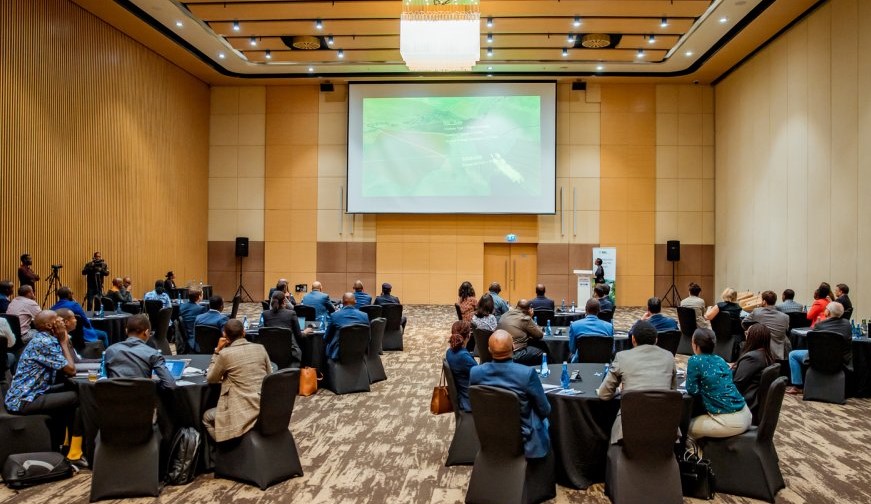
The announcement was made at a meeting of project stakeholders in Kigali on January 17, 2025. The project has been in the works for over a decade. Now, the countries involved are in the final stages, ready to begin construction, which will take around five years.
The Rusizi III project is a collaboration between the governments and the private sector. The private sector will hold a 70% stake, while the three countries will own 30%. Once complete, the electricity generated will be shared equally between Rwanda, Burundi, and the DRC.
“This is a project that benefits not just these three countries, but the whole region,” said Mohsin Tahir, the project leader. “By 2030, we will be providing power to millions of people across East Africa.”
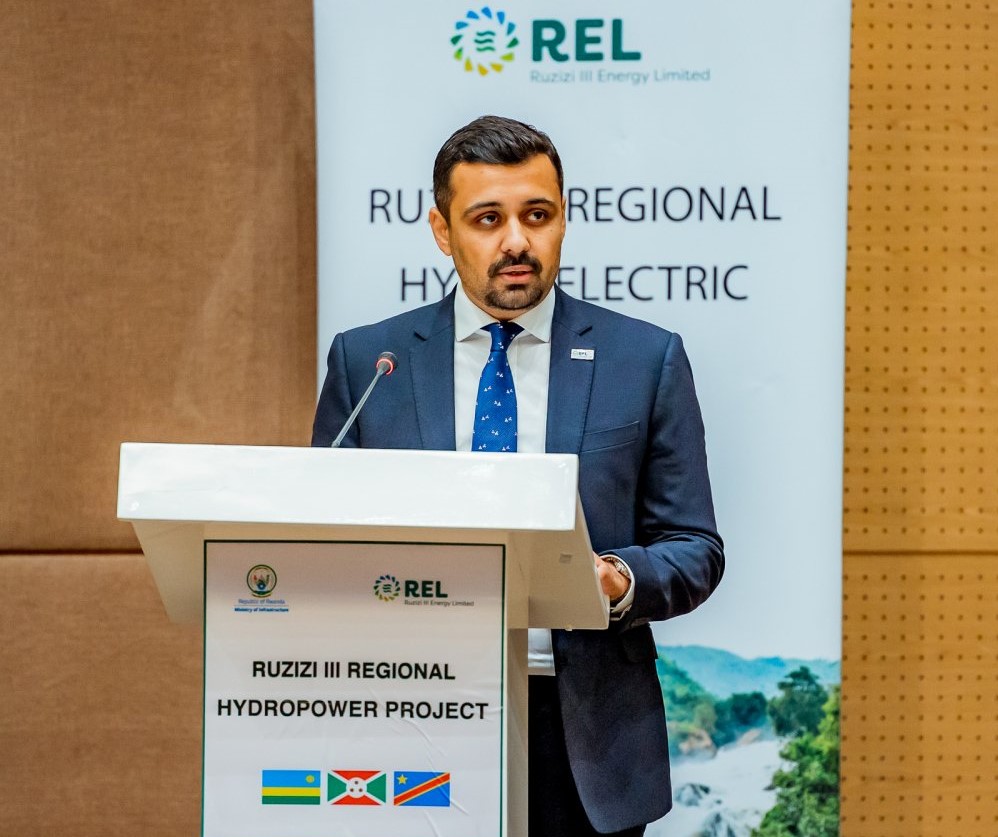
The impact of the project goes beyond just providing electricity. During construction, more than 2,000 jobs will be created, and once operational, it will be one of the largest and most significant energy projects in the region in the last 30 years.
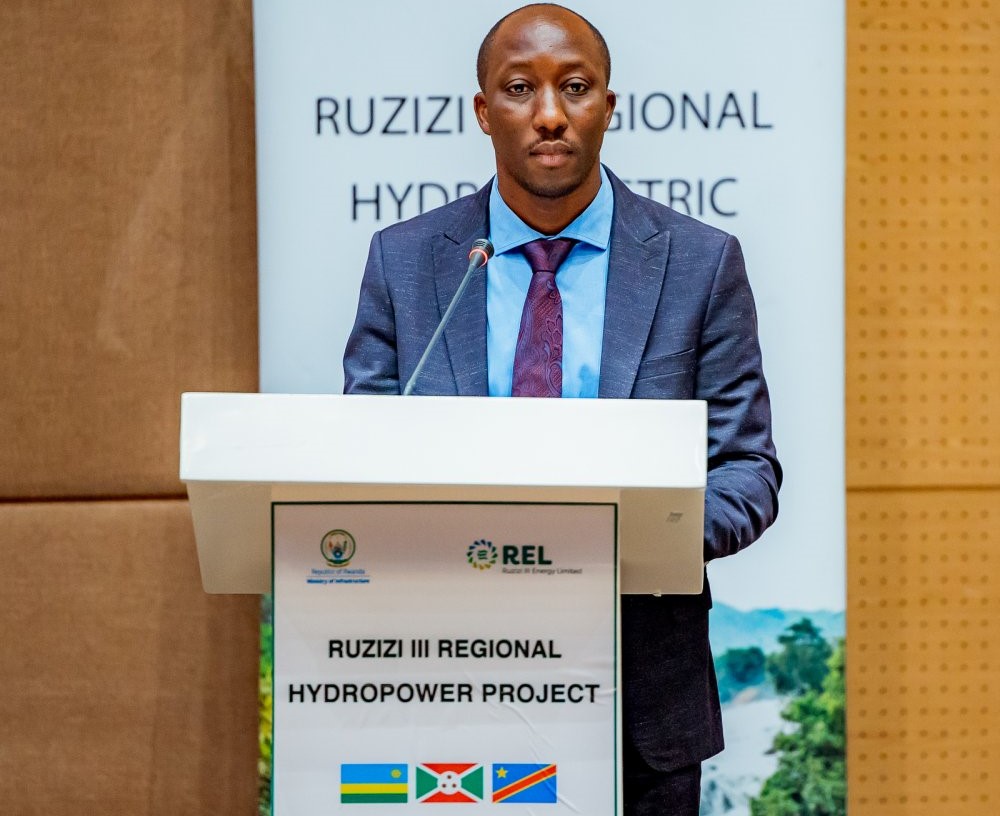
Rwanda’s Minister of Infrastructure, Gasore Jimmy, spoke about the importance of the project. “It’s something we’ve been waiting for as a country. It will increase our energy capacity and provide clean electricity to our citizens. We’re excited for what it will mean for our future.”
The project will bring 80 MW of electricity to each country. This increase in power capacity will help meet the growing energy demand in the region. And, it will do so while protecting the environment.
“Not only will this project help with electricity, but it will do so in an eco-friendly way,” Minister Gasore added. “It’s a sustainable solution for our energy needs.”
Despite political tensions in the region, both governments and stakeholders remain optimistic. Minister Gasore assured everyone that the project will continue smoothly, citing past successful collaborations between the countries.
“We’ve worked together on projects before, and this is no different. The dialogue continues, and we are moving forward,” he said.
Charles Vumbi Mbenga, the head of the Great Lakes Energy Organization, which oversees the project’s implementation, also expressed confidence. “All the countries involved are committed to making this work. Security will be a top priority to ensure everything goes according to plan,” he said.
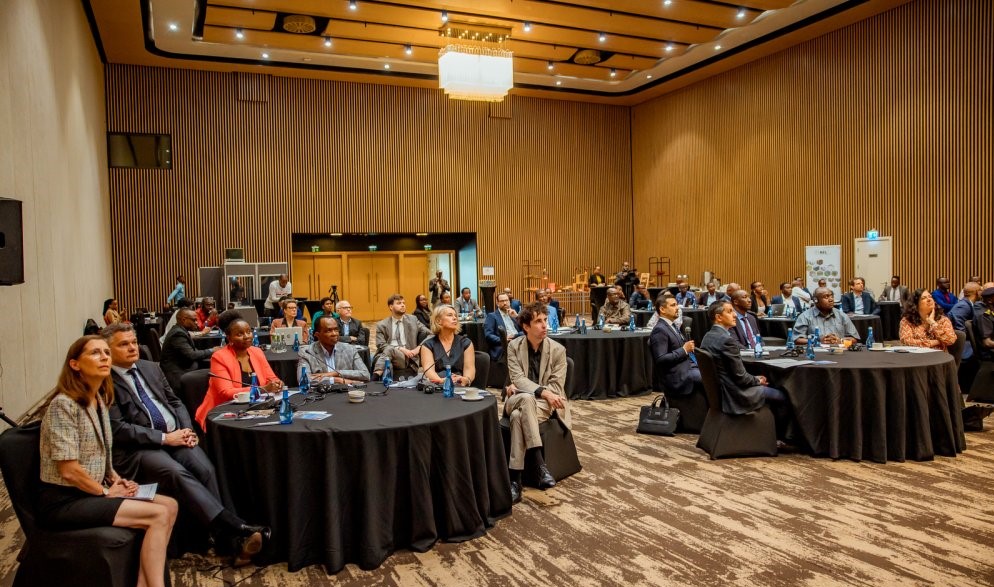
The final financial agreements are expected to be completed by September 2025, and construction is set to begin in 2026. The project is estimated to cost $625.19 million, with funding from the African Development Bank and private sector investors.
Located along the Rusizi River, which forms the border between Rwanda and the DRC, the Rusizi III hydropower plant will bring electricity to rural and urban areas across all three countries.
This project is more than just a power plant—it’s a solution to the energy challenges that have plagued the region for years. As populations grow and demand for electricity increases, projects like Rusizi III are key to meeting those needs.
When complete, the project will not only provide reliable power but also drive economic growth, improve living standards, and help preserve the environment for future generations. The Rusizi III Hydropower Project is a symbol of hope for the region’s energy future.