


By; Charles Ndushabandi
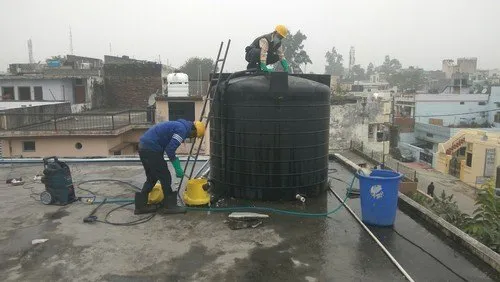
Ensuring the safety of water through regular inspection and cleaning of domestic water tanks is crucial for maintaining hygiene and preventing health issues. Experts emphasize that routine cleaning safeguards households against waterborne diseases by eliminating harmful contaminants.
According to Mbarushimana Jonathan, a public health expert, domestic water tanks often accumulate dirt and harmful bacteria such as Legionella and E. coli. These microorganisms can cause serious waterborne diseases if consumed. “Stagnant water exacerbates these risks, creating an environment where bacteria can thrive. Regular cleaning eliminates these pollutants, ensuring the system remains clean, safe, and compliant with health standards, thereby protecting individuals from waterborne diseases,” Mbarushimana says.
He further highlights that the frequency of cleaning depends on the tank’s purpose. For drinking water tanks, he recommends inspections every three months and thorough cleaning every six months.
Niyoshuti Esther, a community health worker in Nyabisindu village, Remera sector, Gasabo District, Kigali City, underscores the importance of community awareness. “As part of our community health initiatives, we continuously educate residents about the necessity of cleaning water tanks to safeguard their families’ health. However, challenges persist, such as the cost of hiring professionals, which some families cannot afford. Additionally, many people underestimate the risks of water contamination because the water often appears clean,” Niyoshuti explains.
The World Health Organization (WHO) reinforces the importance of maintaining clean water storage systems to ensure safe drinking water and prevent diseases. Similarly, WaterAid, an international non-governmental organization focused on water, sanitation, and hygiene, emphasizes the critical role of regular tank cleaning in preserving potable water.
The cleaning process involves several steps according to the WHO and WaterAid 2019 report, first, the tank is completely drained to remove all stored water. The interior walls and floor are then scrubbed using a stiff brush or high-pressure jet to eliminate dirt, sediment, and microbial growth. Once cleaned, the tank is thoroughly rinsed with clean water to remove debris or detergent residues.
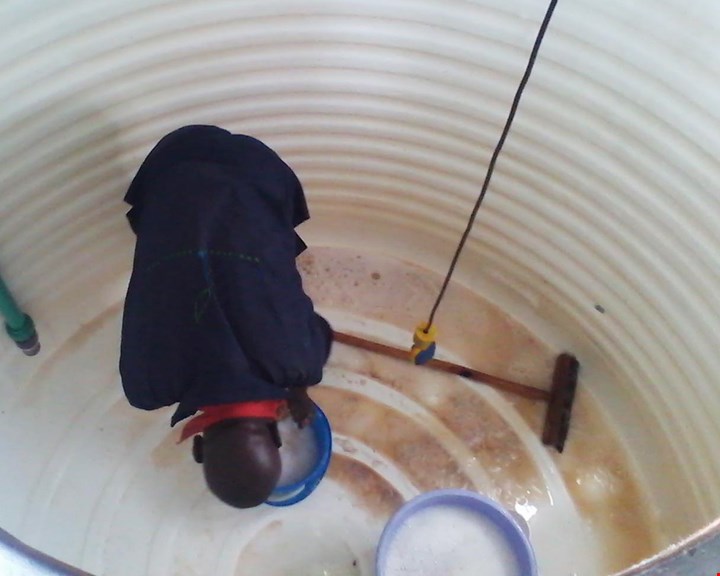
Disinfection is achieved by applying a chlorine solution to all internal surfaces and allowing it to sit for at least two hours to kill harmful microorganisms. Afterward, the tank must be rinsed multiple times to eliminate any residual chlorine. To prevent future contamination, tanks should be tightly sealed, and measures such as using dark-colored tanks to inhibit algae growth can be implemented.
Regular cleaning and inspection, at least annually or more frequently if necessary, are essential for keeping water safe for household use. Public health experts and organizations continue to advocate for increased awareness and accessibility to ensure families can maintain safe and hygienic water storage systems.