


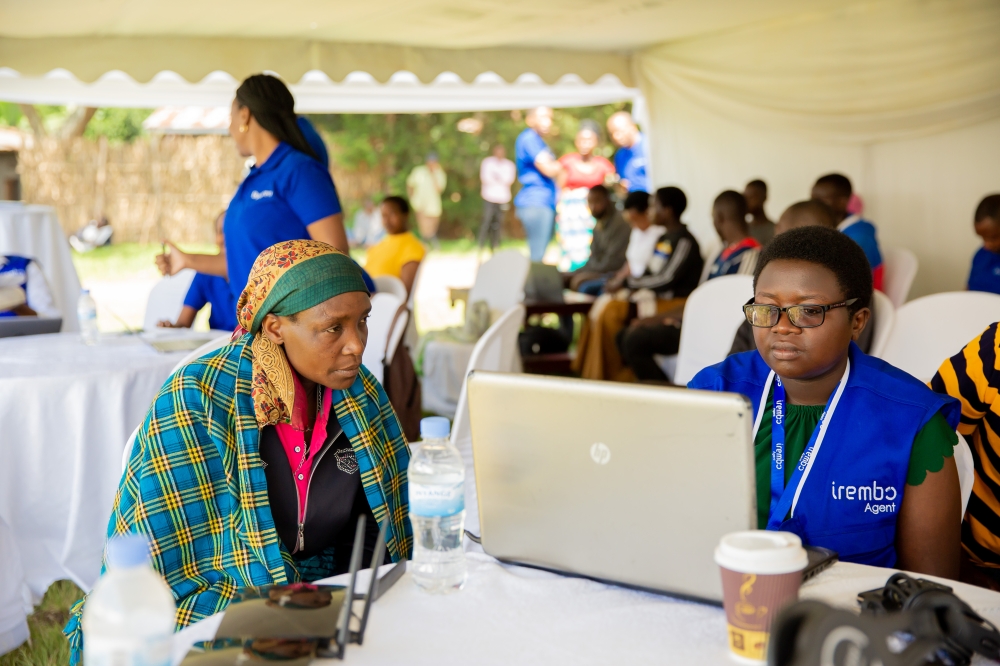
Rwanda’s flagship e-government platform, Irembo, has transformed how citizens apply for services like birth certificates, marriage licenses, and land documents. But while the digital shift is celebrated for boosting efficiency and reducing corruption, many rural Rwandans feel left out of the revolution.
“Irembo is useful, but it assumes everyone knows how to use the internet,” says Jean Damascène, a father of three in Gicumbi District. “Most of us still need help even to turn on a smartphone.”
In Kigali, the platform is a convenience. A few clicks, a mobile payment, and official documents are processed in hours. But in villages like Kageyo or Cyanika, residents often rely on third parties—cyber cafes, friends, or local officials—to navigate the system.
The government has acknowledged these gaps and recently introduced IremboGov 2.0, aimed at improving user experience and supporting local-level agents to assist citizens. Still, the digital divide persists.
“Accessibility is more than just having a phone—it’s about knowing how to use it,” says Diane Iradukunda, a digital inclusion researcher. “The elderly, people with disabilities, and the uneducated face serious challenges.”
Many local leaders now play a dual role—serving as both administrators and informal tech support. At a cell office in Huye, a line forms early in the morning with residents seeking help to apply for services through Irembo.
“People come here for things they should do on their own,” says the Executive Secretary. “We need more awareness campaigns and training at the community level.”
As Rwanda strives toward a digital-first future, ensuring no one is left behind is both a policy and a moral imperative. Experts recommend a hybrid model—where offline service points and digital systems work side-by-side until universal access and literacy are achieved.
Until then, platforms like Irembo remain a powerful innovation—but one whose success depends not only on code and servers, but on people, patience, and inclusion.