

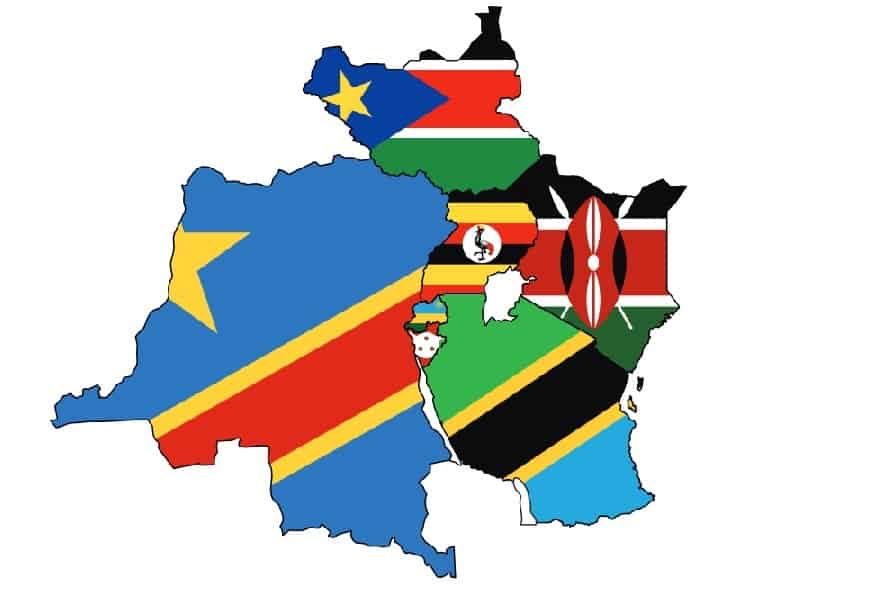
As East Africa steps into 2025, its cities reveal a dynamic and diverse picture of urban life, where some are shining examples of progress, while others are still grappling with substantial challenges. The latest index figures according to Numbeo for quality of life offer insights into how people across the region experience their daily lives, from safety and healthcare to the cost of living and environmental quality. This evolving story of East African urban life reflects both the promise of growth and the reality of ongoing struggles.
Kigali: A Rising Star in Urban Living
Kigali, Rwanda’s capital, stands out in East Africa for its remarkable achievements in urban development. With a safety index of 74.28, Kigali is one of the safest cities in the region, offering residents peace of mind. The healthcare system also shines, with a score of 73.95, ensuring access to essential medical services. Kigali’s cool, temperate climate (99.74) further contributes to its appeal, offering a year-round pleasant environment for its residents.
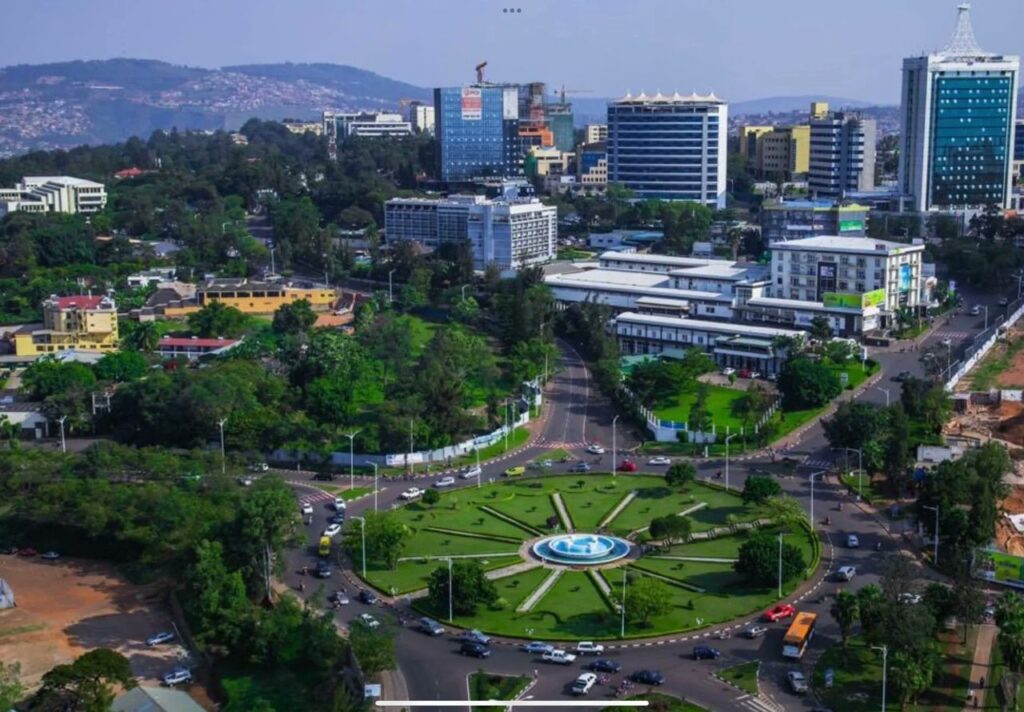
Affordability is another key feature of Kigali, with a low cost of living index of 35.51. Although property prices relative to income are high (383.65), this points to a growing demand for housing, driven by the city’s increasing popularity. The city also enjoys a very low traffic commute time index of 15.67, which makes daily commuting much easier compared to other East African cities. Coupled with a low pollution index (39.22), Kigali’s livability is exceptional. While the purchasing power remains low (19.33), the overall quality of life in Kigali remains high, showcasing Rwanda’s commitment to urban development.
Nairobi: A City of Opportunities and Challenges
Kenya’s capital, Nairobi, serves as the economic and commercial heartbeat of East Africa, offering significant opportunities in business and industry. Nairobi’s high climate index (99.79) and solid healthcare system (62.84) contribute to its appeal as a growing metropolis. However, like many large cities, Nairobi faces its own set of challenges. Safety is a concern, with a moderate safety score of 40.30, while pollution levels are high (79.76), impacting the quality of life for residents.
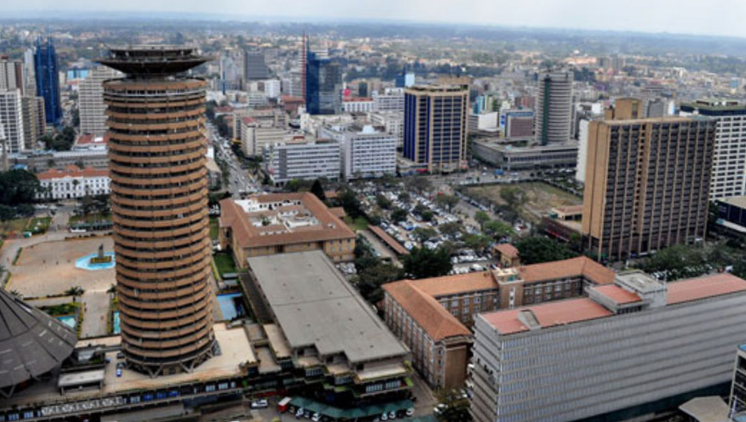
Despite a relatively low cost of living (30.68), housing remains expensive, with a high property price-to-income ratio (17.09). The city’s traffic congestion is another issue, with a traffic commute time index of 52.65, making commuting a time-consuming and frustrating task for many Nairobians. Still, Nairobi’s status as a regional business hub makes it a top destination for both local and international residents, though addressing urban pressures like traffic and pollution will be crucial for improving the daily lives of its citizens.
Kampala: Balancing Growth with Challenges
Kampala, Uganda’s capital, is a city on the rise, though it faces challenges typical of fast-growing urban centers. The city enjoys a very high climate index (98.41), making it a pleasant place to live, and the cost of living is very low (26.27), offering affordable options for residents and expatriates. However, Kampala struggles with safety and healthcare, as reflected in its moderate safety score (44.44) and healthcare index (48.55), signaling a need for improvements in these areas.
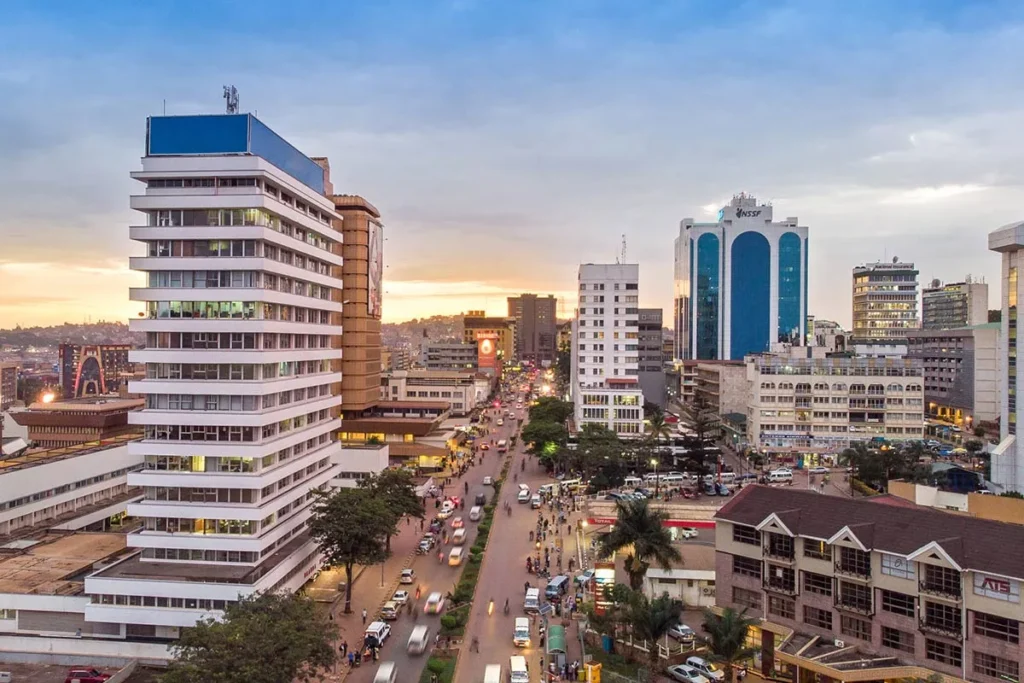
The city’s traffic remains a significant concern, with a high traffic commute time index of 44.47. Getting around Kampala can be a frustrating experience for many, especially with the growing population. Additionally, pollution is a major issue, with a very high pollution index of 88.35, making outdoor activities less enjoyable. Despite these hurdles, Kampala remains an attractive city for those seeking affordability and opportunities for growth. With continued investment in infrastructure and services, Kampala has the potential to improve its livability in the coming years.
Dar es Salaam: Affordability with Room for Growth
Tanzania’s largest city, Dar es Salaam, stands out for its affordability and pleasant climate (71.28). The cost of living is low (29.56), which makes the city an attractive option for people seeking an affordable urban lifestyle. However, the city faces challenges with high property prices relative to income (65.97), which makes homeownership out of reach for many.
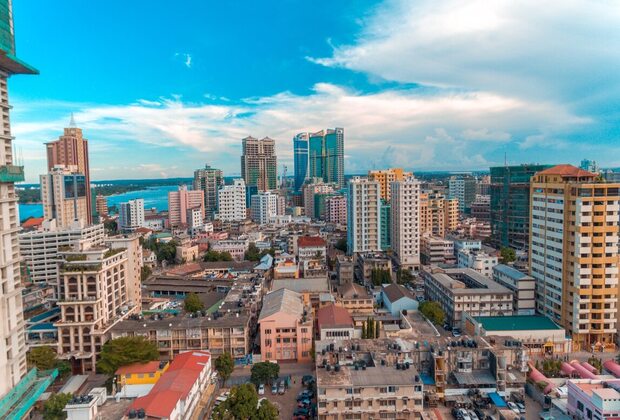
Healthcare in Dar es Salaam is moderate (52.86), while the city’s traffic congestion is relatively low (29.33). Pollution, however, is a growing concern, with a pollution index of 71.91. The city’s relatively low traffic burden is a plus, but addressing pollution will be crucial for enhancing the overall quality of life.
Despite these challenges, Dar es Salaam holds significant potential for future growth. With its affordable living costs and low traffic burden, the city is well-positioned to improve its livability if infrastructure and environmental issues are addressed in the coming years.
Kinshasa: Struggling with Major Urban Issues
Kinshasa, the capital of the Democratic Republic of the Congo, faces some of the region’s most severe urban challenges. The city struggles with safety, as evidenced by its low safety index of 30.47, and its healthcare system is underdeveloped, with a low healthcare score of 21.30. High pollution (81.90) and severe traffic congestion (75.00) exacerbate the difficulties residents face in their daily lives.
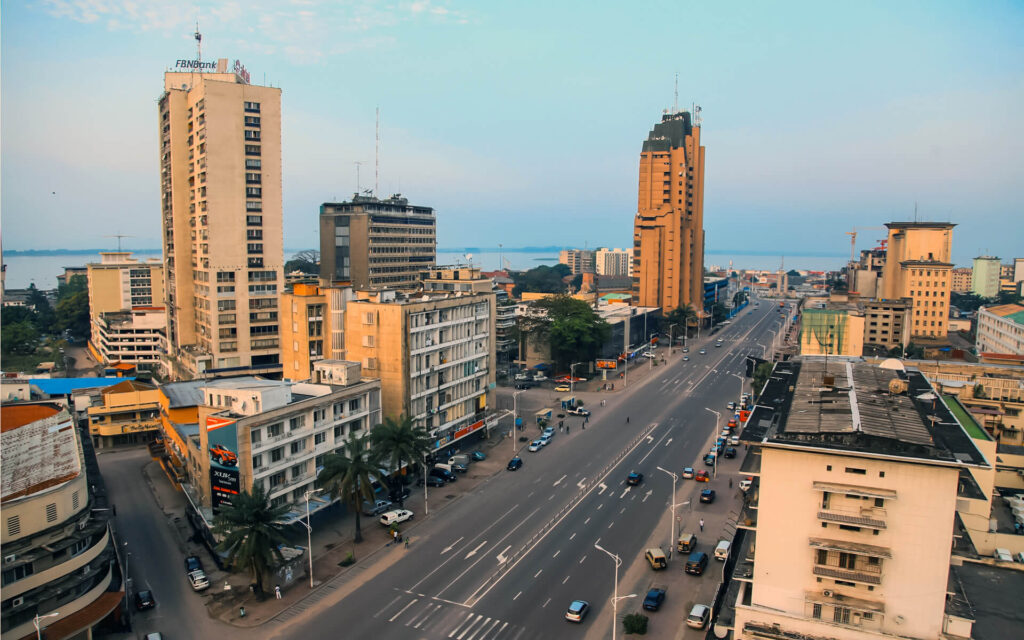
Although Kinshasa has a relatively high climate index (80.95), the city’s infrastructure cannot keep up with its rapid population growth. Housing is a significant issue, with a high property price-to-income ratio (44.36) making homeownership a distant dream for many. The high cost of living (56.77) further compounds the challenges for the city’s residents, particularly with the low purchasing power (15.23).
Despite these issues, Kinshasa’s challenges highlight the need for comprehensive reforms in governance, infrastructure, and social services. With the right investments and systemic changes, Kinshasa could eventually overcome these obstacles and offer a better quality of life to its citizens.
Bujumbura: Promise Amidst Uncertainty
Bujumbura (now Gitega), the former capital of Burundi, faces challenges in its urban development, as reflected in incomplete data for its quality of life index. However, the city does show promise. Safety is moderate (47.93) and healthcare is relatively good (53.70), though there are still areas for improvement. Pollution levels (67.53) and a lack of climate data present additional challenges for the city, but traffic congestion is relatively low (33.00), contributing to a more livable environment compared to more congested cities in the region.
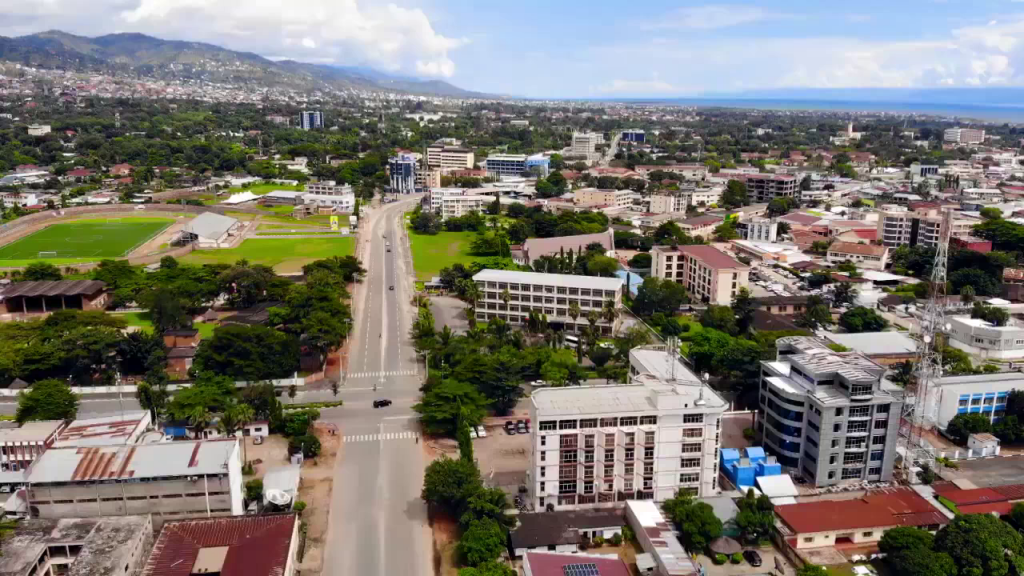
Although Bujumbura’s data remains incomplete, it has the potential to improve with continued investment in urban development and infrastructure. With the right resources and planning, the city could rise to meet the growing demands of its population and improve the overall quality of life for its residents.
Juba: A City in Transition
Juba, the capital of South Sudan, is still in the early stages of urban development, reflected in its incomplete data on the quality of life index. Safety remains a significant concern, with a very low safety index of 19.28, highlighting the challenges of living in a city with ongoing political instability. The healthcare system is also underdeveloped, with a low healthcare index of 23.61, limiting access to essential medical services for the population.
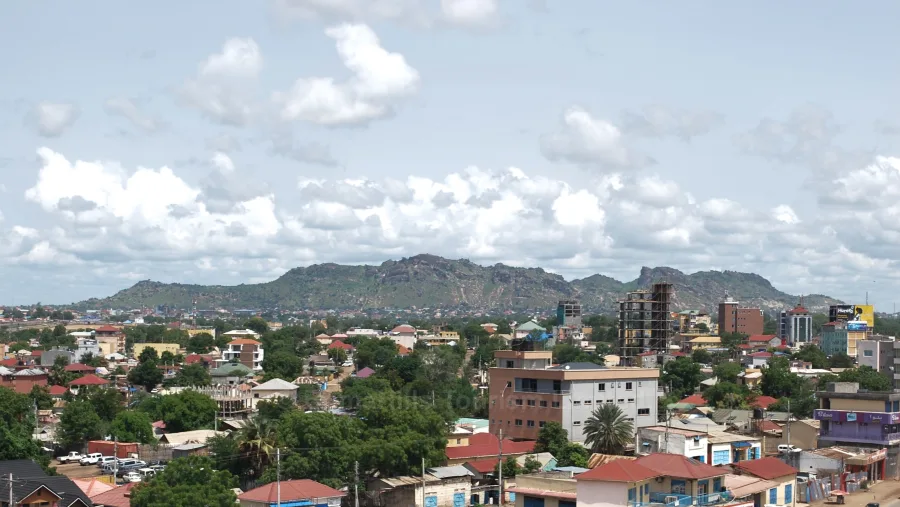
Juba’s traffic is not a major issue, as the city enjoys a very low traffic commute time index of 0.00. However, pollution is a concern, with a high pollution index of 61.49, affecting the health and overall livability of the city. With incomplete data on the cost of living and property prices, Juba’s overall quality of life remains uncertain, but it is clear that the city faces many obstacles. Continued investment in infrastructure, safety, healthcare, and environmental management will be key to improving the livability of Juba as it continues to grow and develop.
The Road Ahead: A Region in Transition
The quality of life in East African cities paints a diverse picture. Kigali is clearly leading the way with its forward-thinking urban planning and high livability, while cities like Kinshasa and Bujumbura face serious obstacles that require urgent attention. Nairobi, Kampala, and Dar es Salaam, though not perfect, are making strides, each city working through its own set of challenges to provide better living conditions for their residents.
As East Africa continues to grow, the key to improving urban living will be balancing economic growth with sustainable infrastructure, environmental management, and enhanced public services. With the right investments and political will, these cities have the potential to improve their quality of life for all who call them home.