

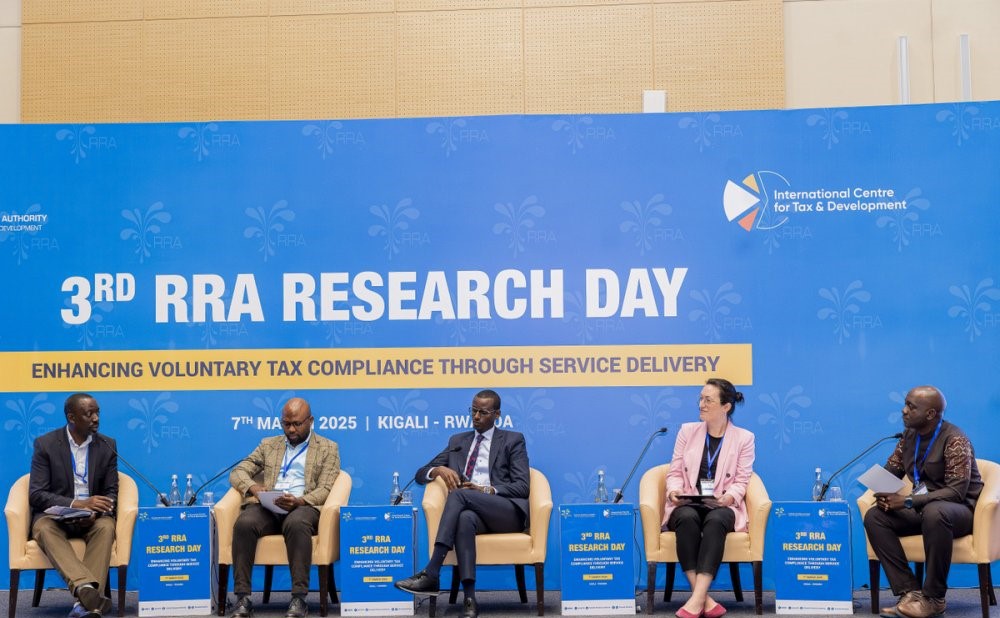
The Rwanda Revenue Authority (RRA) has announced that it is working towards improving taxpayer satisfaction with its services, with a target to reach 90% satisfaction by 2029.
This announcement was made on March 7, 2025, during a public presentation of a research day aimed at enhancing tax service delivery. The event focused on strategies to increase voluntary tax compliance and improve public understanding of tax laws.
In his address, RRA Commissioner General Ronald Niwenshuti shared that by 2022, 75% of taxpayers expressed satisfaction with RRA services. He emphasized that the Authority is committed to continuing its efforts to raise this figure further.
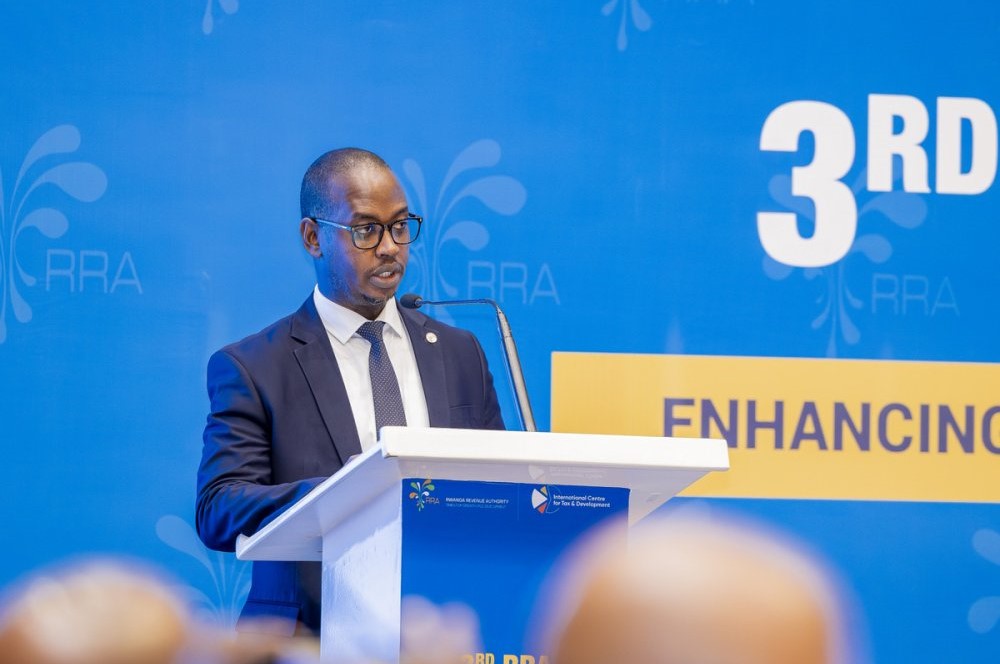
“We have set a long-term goal to increase this percentage, aiming for at least 90% satisfaction by 2028/2029,” he stated. “We believe that by that time, we will be a service provider that goes beyond simply enforcing the law and will be recognized for delivering complete and efficient services.”
Several initiatives are already in place to help achieve this ambitious target. These include the promotion of digital platforms, improving accessibility for taxpayers, conducting awareness campaigns, and utilizing technology to deliver services and information more effectively.
Niwenshuti highlighted that providing high-quality services leads to greater voluntary compliance, which in turn helps boost revenue collection. “When taxpayers receive excellent service, they are more likely to fulfill their tax obligations willingly, which significantly enhances tax collection efficiency,” he said.
Dr. Thierry M. Kalisa, the Chief Economist & Executive Director Monetary Policy and Research at the National Bank of Rwanda (BNR), underscored the importance of such research initiatives. He called for continued investment in research capacity to ensure policies are based on data-driven insights rather than individual opinions. “For research to have a meaningful impact, it must be conducted by experts, and strengthening their capabilities is crucial,” Kalisa stated.
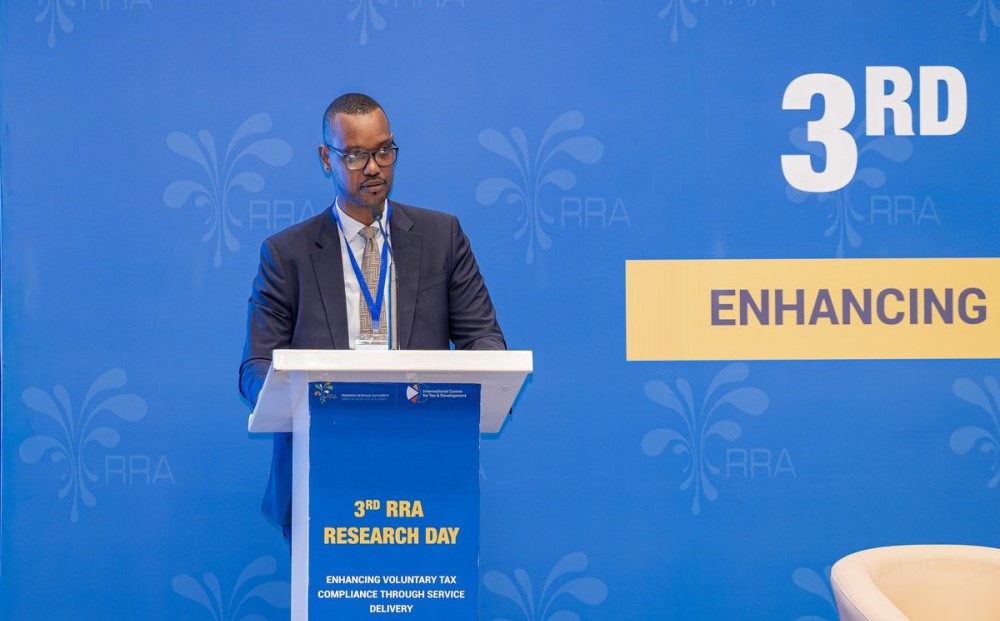
He further cited BNR’s efforts in investing in research over the past 12 years, including hiring highly qualified economists and supporting ongoing education to improve the bank’s research capacity. The result has been a growing pool of highly skilled researchers, including several with PhDs in economics and statistics.
Dr. Félicien Usengumukiza, Deputy Chief Executive Officer at Rwanda Governance Board (RGB), also emphasized the importance of research in governance and public service.
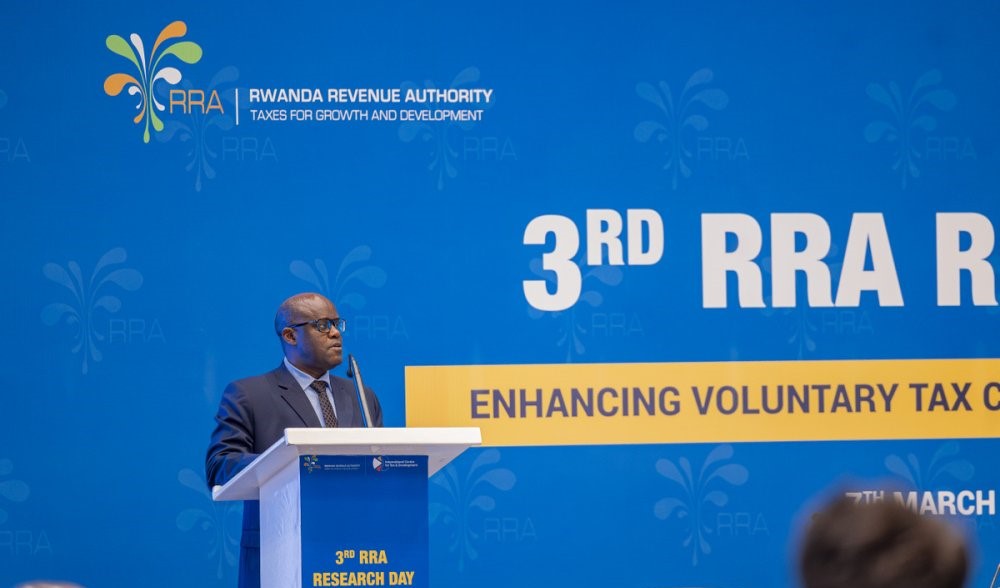
He highlighted that three out of eight key performance indicators in the annual Rwanda Governance Scorecard (RGS) are directly related to RRA’s initiatives to enhance service delivery, including combating corruption, transparency, and accountability.
The research shared during the event also showed positive trends in governance, with improvements noted in anti-corruption efforts and public participation. For example, the anti-corruption score dropped slightly from 88.97% in 2023 to 86.64% in 2024, while public governance indicators improved from 84.04% to 85.84%.
RRA’s efforts are also contributing significantly to Rwanda’s economy. In the 2023/2024 fiscal year, the Authority collected over RWF 2.6 trillion in taxes, achieving 99.3% of its target. For the 2024/2025 fiscal year, RRA aims to collect RWF 3.06 trillion, which will represent 54% of the national budget.