

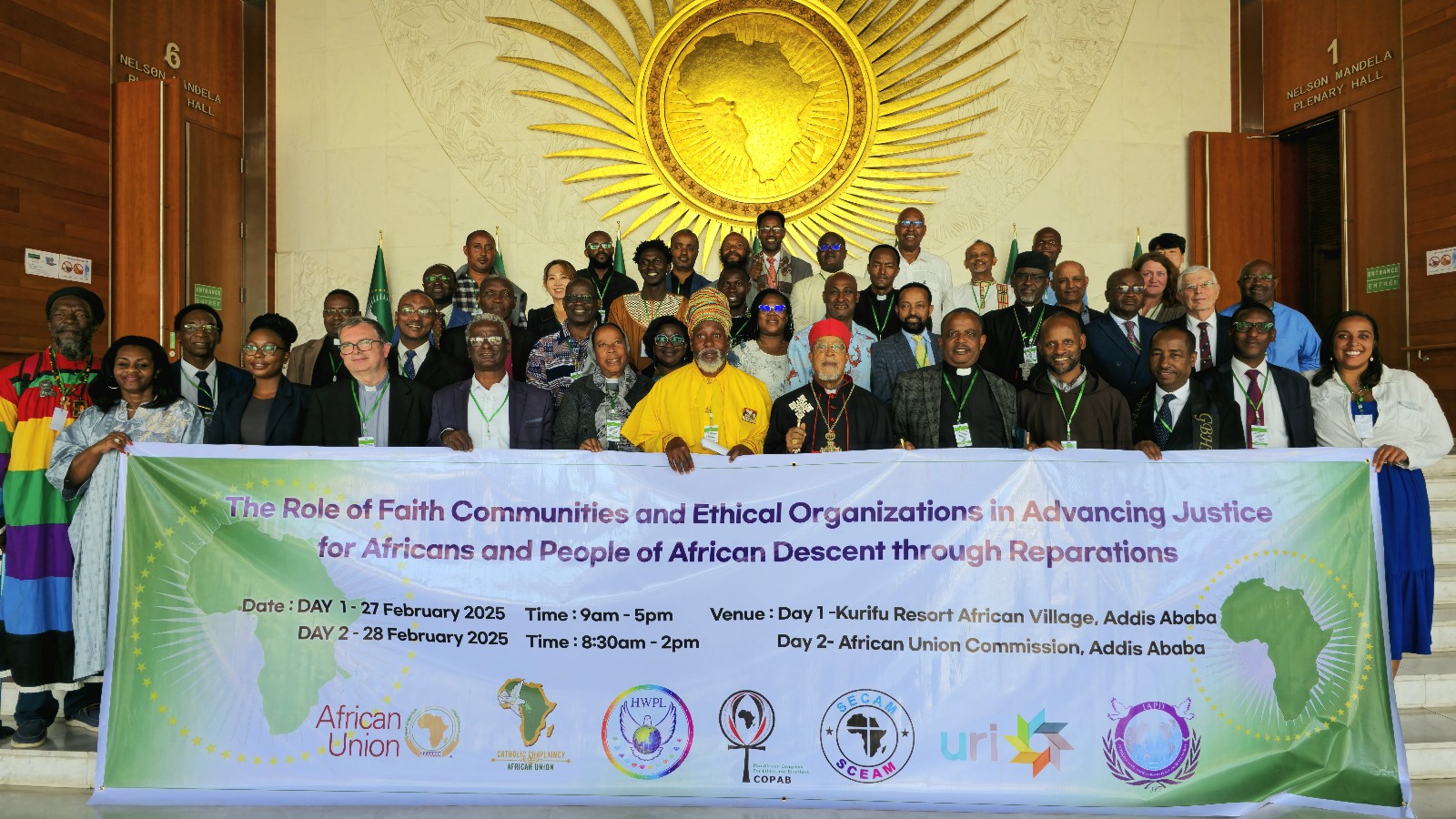
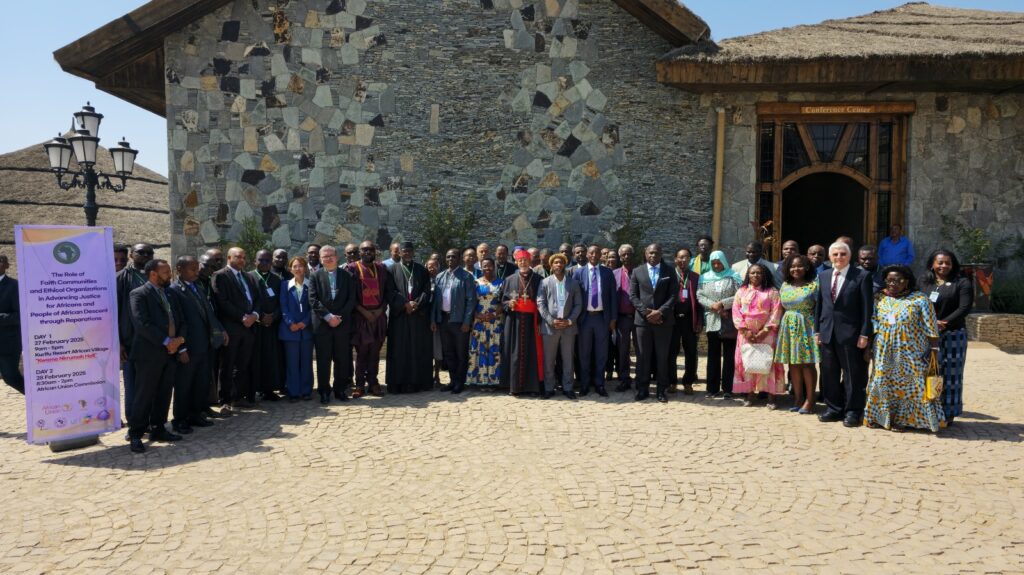
In a historic gathering aimed at advancing justice and healing, representatives from religious, ethical, and scientific organizations came together at the African Union (AU) Headquarters for a two-day workshop on reparations for Africans and people of African descent.
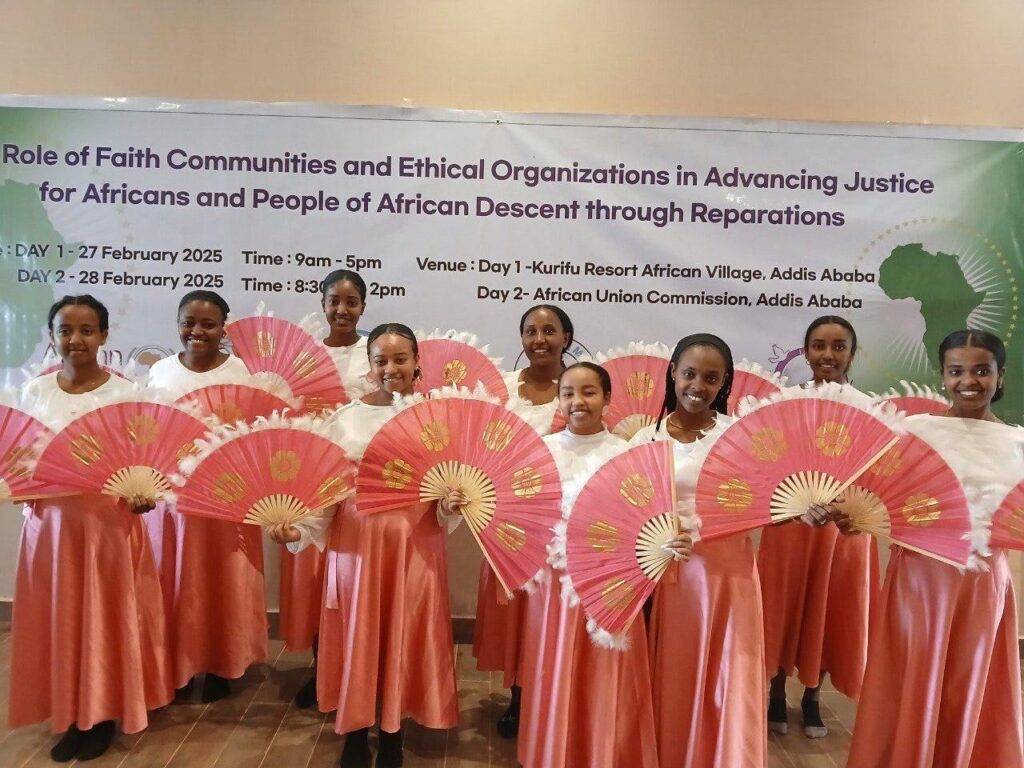
The workshop, held on February 27-28, 2025, at the Kuriftu Resort and the AU Commission headquarters, culminated in the signing of the Addis Ababa Declaration—a significant step toward acknowledging the lasting effects of historical exploitation and colonialism.
The event, attended by nearly 70 dignitaries, included key figures such as H.E. Amma Adomaa Twum-Amoah, Ambassador of Ghana, H.E. Dr. Monique Nsanzabaganwa, Deputy Chairperson of the AU, and Dr. Sousan Massoud, UNESCO Regional Director for Eastern Africa. The workshop was designed to align faith-based and ethical organizations’ efforts with the AU’s ambitious agenda for 2025—the “Year of Justice for Africans and People of African Descent Through Reparations.”
In her opening remarks, Dr. Nsanzabaganwa emphasized the pivotal role faith communities can play in advancing reparative justice. “This is a moral responsibility, one that requires global collaboration to address the past while building a just and equitable future for all,” she said.
This sentiment resonated throughout the workshop, as attendees discussed strategies for providing comprehensive reparations that address legal, political, economic, and social dimensions—while also considering the ethical and spiritual aspects crucial for true reconciliation.
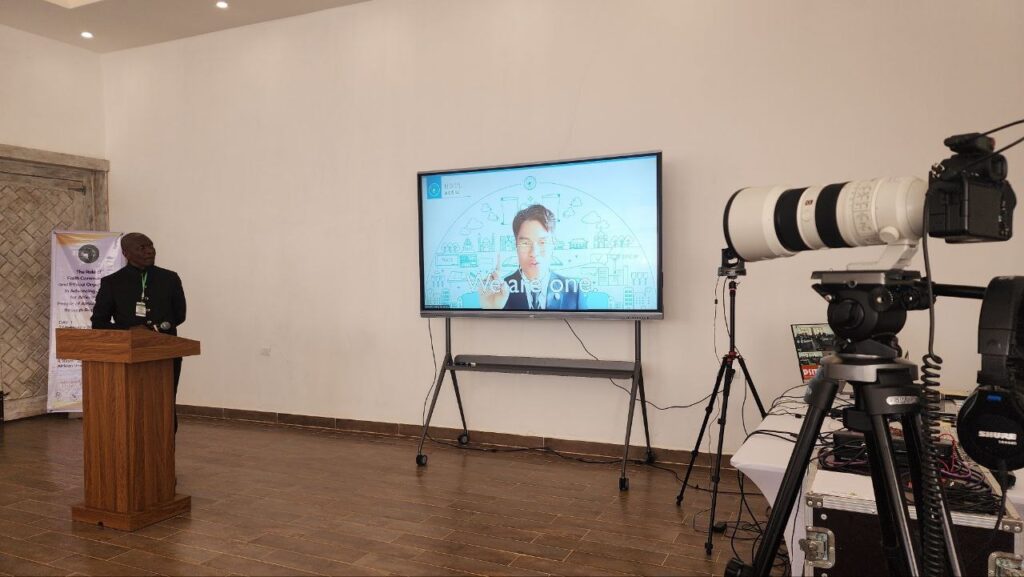
The workshop’s discussions culminated in the Addis Ababa Declaration, which calls for reparations to tackle the lasting socio-economic consequences of slavery, colonialism, and systemic discrimination. The declaration calls for the creation of an AU Committee of Experts on Reparations, tasked with developing a unified policy and implementing an African Program of Action.
Additionally, the declaration recognizes the ecological debts caused by colonial exploitation, suggesting that environmental harm should also be addressed as part of reparations.
Among the key points of the declaration is the proposal to form an Ethical Reference Group to guide AU reparations efforts and the suggestion of declaring a Decade of Reparations to raise global awareness and promote restorative justice.
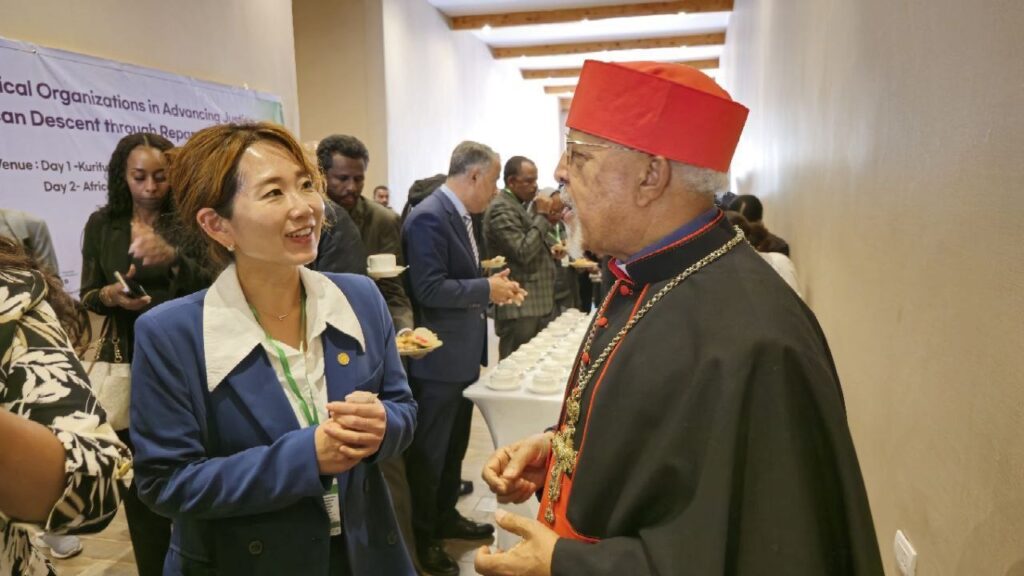
The event also provided a platform for collaborative initiatives moving forward. One such initiative is the creation of the African Religious Peace Academy (ARPA), which will focus on promoting interfaith dialogue and religious harmony across Africa. Another proposal is the establishment of a continental religious unity body to further the AU’s peace agenda and enhance religious solidarity. Lastly, participants discussed the formation of a peace mediation body, designed to facilitate conflict resolution across African nations through dialogue and mediation.
H.E. Amma Adomaa Twum-Amoah expressed hope that this workshop would be a catalyst for sustained collaboration, while Dr. Massoud praised the cultural exchange as an essential step toward greater cross-cultural understanding and healing.
Co-hosted by Heavenly Culture, World Peace, Restoration of Light (HWPL), Citizens and Diaspora Organizations (CIDO), AU Chaplaincy, and other faith-based and ethical organizations, the event marks a significant milestone in the global movement for reparations.
Through these collective efforts, participants are committed to turning the Addis Ababa Declaration into a practical framework for restoring justice and building a more equitable future for all Africans and people of African descent.