

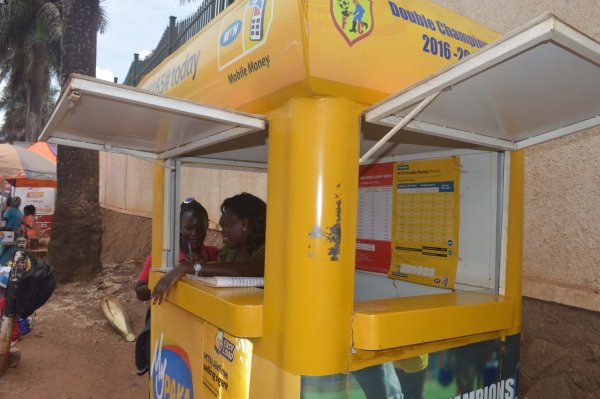
When Claudine Uwimana, a 32-year-old shopkeeper in Nyamagabe District, switched to mobile money to manage her business transactions, she wasn’t sure what to expect. Three years later, her shop no longer relies on cash—everything from inventory payments to customer purchases is handled through MTN Mobile Money.
“I don’t have to worry about carrying money to town or keeping it at home,” she says. “Now, even the suppliers prefer I send money instantly.”
Mobile money platforms like MTN MoMo and Airtel Money have become essential to Rwanda’s drive toward a cashless economy, particularly in rural communities where traditional banking infrastructure is scarce. For small business owners, the ability to receive payments, pay bills, and access credit through a phone has opened doors that previously required long trips to banks or cash agents.
According to the National Bank of Rwanda, over 94% of Rwandan adults now have access to formal financial services—up from 42% in 2012. Much of this growth is driven by mobile money platforms, which are cheaper and more accessible than traditional banks.
“In the past, informal businesses had no relationship with formal finance. Today, a trader in Rusizi can accept payment and save money all from her phone,” says Emmanuel Musoni, a financial inclusion consultant based in Kigali.
These digital platforms are also helping rural entrepreneurs build credit histories, making them eligible for microloans or pay-later services.
Barriers Still Remain
Despite these gains, challenges persist. Transaction costs, especially on low-value purchases, are often passed on to customers. Poor network coverage in remote districts makes mobile money unreliable. And digital literacy remains a major barrier, particularly for older users and women.
“Sometimes I send money to the wrong number because I don’t know how to reverse it,” says Vestine, a 50-year-old vegetable seller in Gakenke. “I fear using my phone for big amounts.”
Digital inclusion advocates are calling for expanded community-based training programs and improved infrastructure to ensure rural users aren’t left behind.
The Rwandan government continues to push for a fully digital economy, and the recent introduction of interoperability between mobile money platforms is expected to further boost usage. As mobile payments become the norm, small businesses like Claudine’s are proving that when digital tools are inclusive and accessible, they can transform rural economies from the ground up.