

Rwanda is set for a stretch of dry weather and sunny skies in the last ten days of August, raising concerns about water availability and the impact on agriculture.
The Rwanda Meteorological Agency (Meteo Rwanda) forecasts daytime temperatures between 18°C and 30°C, with nighttime lows dropping as low as 6°C in highland districts. Rainfall is expected to be below normal for this period, ranging from 0 to 25 millimeters, with only a few northern and western districts, including Musanze, Rubavu, Nyabihu, and Burera, likely to receive slightly more.
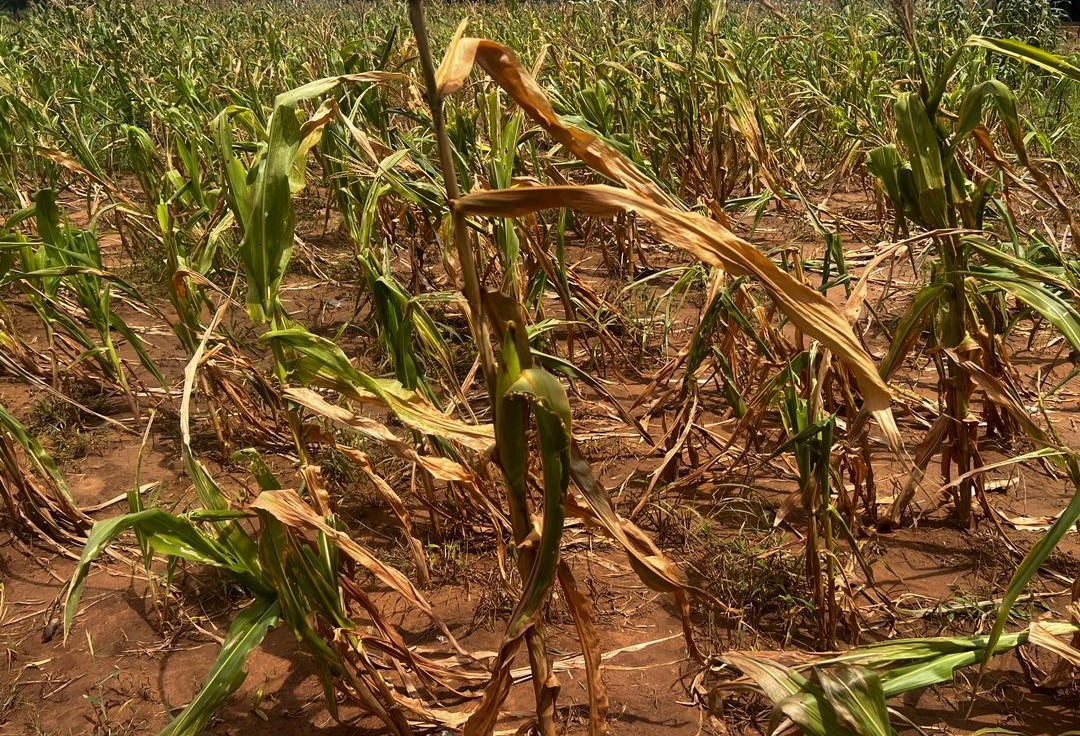
While the dry conditions may ease travel and outdoor activities, experts warn that prolonged low rainfall could affect soil moisture, delay planting, and stress crops that rely on consistent rain. Farmers in the eastern and central regions, where rainfall will be minimal, may need to adopt irrigation or other adaptive measures to protect their harvests.
“The last days of August are crucial for preparing the next planting season,” said a Meteo Rwanda climate officer. “Lower-than-average rainfall combined with high daytime temperatures could increase the risk of drought in the lowlands, while colder nights in the highlands may damage sensitive crops like potatoes and beans.”
Winds are also expected to influence conditions. Moderate to strong gusts, ranging from 4 to 10 meters per second, will sweep across the country, with the strongest in Kirehe, Karongi, Ngoma, Musanze, Rubavu, and Rusizi. These winds could worsen soil erosion in vulnerable areas and affect smallholder farms, especially on slopes and near rivers.
In Kigali and surrounding districts, highs may reach 30°C, with nighttime lows between 14°C and 16°C. While these temperatures benefit urban life and transport, limited rainfall may further strain water resources for both city residents and nearby rural communities.
Environmentalists note that such dry spells, though part of seasonal patterns, may become more frequent and intense due to climate change. They urge communities to conserve water, protect soils, and adopt climate-smart farming practices to minimize losses.
“The forecast is more than a weather update,” said a local environmental expert. “It highlights the delicate balance between climate, livelihoods, and ecosystems. Every drop of rain counts, and communities must be prepared for both the opportunities and challenges ahead.”
As Rwanda heads into the last days of August, the message is clear: sunny skies may dominate, but careful management of water and land remains vital for people and the environment alike.