


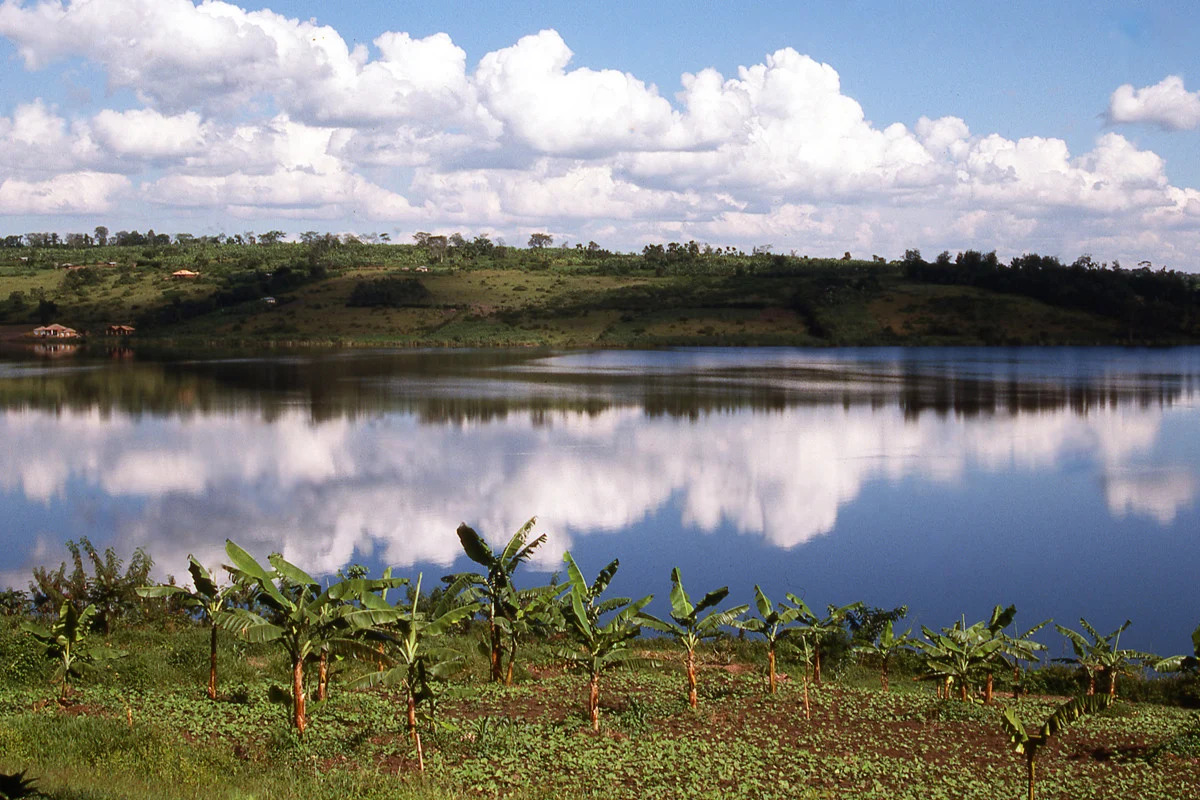
While Rwanda joined the rest of the world to mark the world NTDs day on the 30th of January, a number of people living around lake Muhazi continue to battle with schistosomiasis also known as Bilharzia which them as a major challenge.
This said, schistosomiasis remains a major concern especially for communities along Lake Muhazi, and that is primarily caused by Schistosoma worm.
In the period of Schistosomiasis, nine out of the twenty-WHO acknowledged neglected tropical diseases affect millions of people, eight of these ten are a disease and so is the parasite. For instance, schistosomiasis in fish is caused by parasitic flatworms that are referred to as Schistosoma, which heavily plague the communities bordering water bodies like Lake Muhazi.
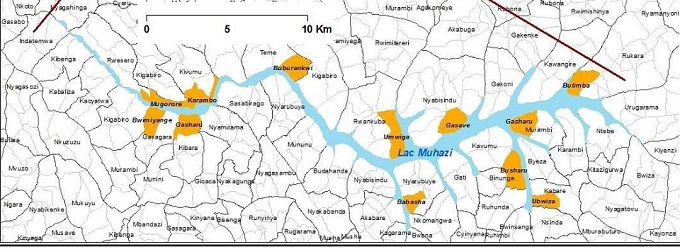
The suffering of the people is complex and goes beyond the fact that the condition is not well understood, as one can imagine it being caused by poor sanitation or dirty water prevent anyone from linking other factors external to the condition.
Muhazi lake is a great resource for the people living in that area because of its contributions to agriculture and fishing activities as well as other normal daily chores including washing of clothing and collection of water.
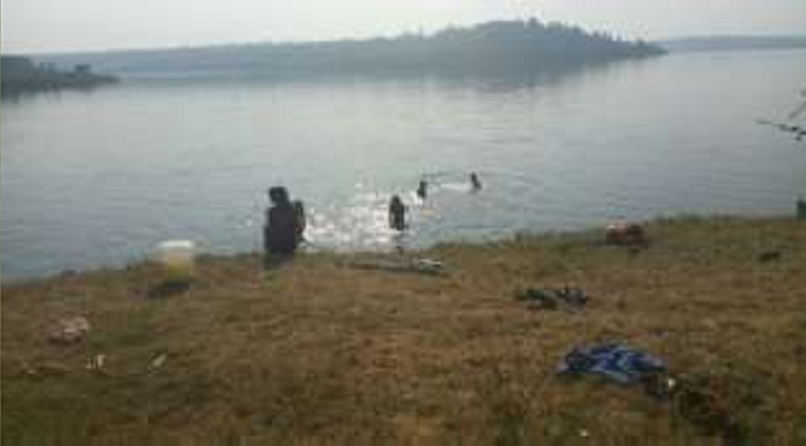
However, the Lake also provides a great environment for the breeding of schistosomiasis which is spread mainly by snails. Lifestyles that include the above mentioned routine activities such as washing, swimming, and farming are daily activities to most people and puts them in regular contact with the virus.
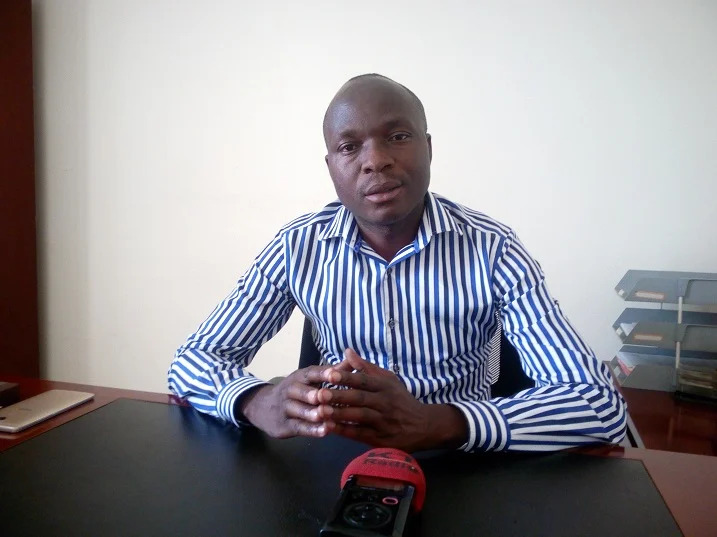
Dr. Aimable Mbituyumuremyi, the Division Manager at the Rwanda Biomedical Center RBC explains how schistosomiasis influences people who utilize infected water for extended periods. Rural people involved with agriculture or fishing are highly affected. Women doing laundry and farmers in wetland areas are particularly at risk. Unhygienic practices put children at great risk, as well.
People around lake Muhazi in 2018 conducted a research which shows that roughly eighty percent of the households around it had no knowledge of schistosomiasis and its causes. This further demonstrates the lack of awareness around the illness, making prevention of the same difficult.
After Jeanette from Gatsibo distric, Gasange sector, Iteme cell in Buburankwi village near the lake was mainly occupied by Cattle farmers pasture/ranches, therefore releasing a high amount of degraded organic matter in the Lake with the biggest number of snails and cercaria was found at this site,woke up complaining about her stomach ache, her mother Marie ignored the comment and assumed it was just that.
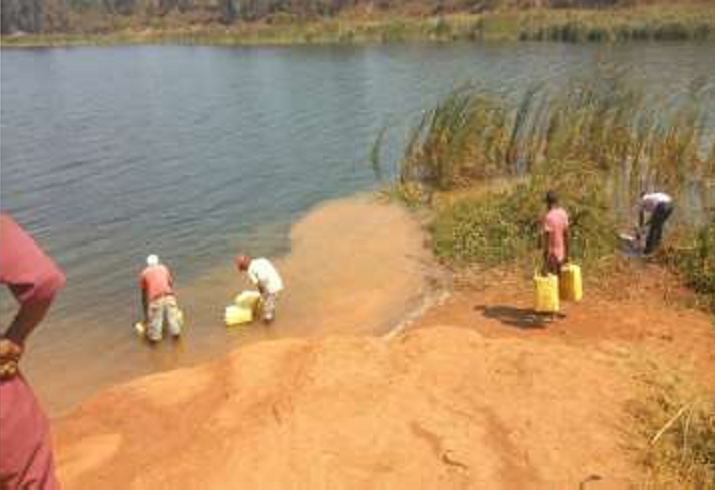
Marie and Jeanette are not alone, most locals use water from the lake for daily chores but they did not realize that due to swimming in contaminated water Jeanette had become a victim of schistosomiasis.
She started facing social exclusion alongside aches from the illness. The more she tried to hide the problem the more her classmates began to ignore her. They remained unaware of the painful situation she was going through.
The lack of understanding is evident in daily life. Many locals, like fisherman Hitimana Claude, continue their water-related activities without protection. “You can’t avoid contamination if you’re a fisherman,” he says. Rice farmers in the nearby marshlands face similar struggles. “We work in the water every day. It’s impossible to avoid,” says Kwezera, a local farmer.
Symptoms of schistosomiasis—abdominal pain, bloating, and swollen limbs—are often misunderstood. “Many children here are bloated, and some think it’s poisoning,” says Maria Umutoni, a mother in Buburankwi. Locals often confuse the symptoms with poisoning or witchcraft. Some even believe alcohol can cure the disease. “Men drink beer thinking it will cure them instead of getting proper care,” shares Kayitare Christopher, a community health worker.
Poor sanitation only makes things worse. With few toilets available, many residents defecate near the lake, further contaminating the water. “If someone is sick, the water gets contaminated,” one local explains.
Since 2007, Rwanda has made significant efforts to fight neglected tropical diseases, including schistosomiasis. In 2019, the government began fully funding mass treatment campaigns, leading to a notable reduction in the disease’s spread. Jean Bosco Mbonigaba, Acting Director of NTDs and Other Parasitic Diseases Program at RBC, says,” Rwanda has a strong supply chain for neglected tropical disease drugs.”
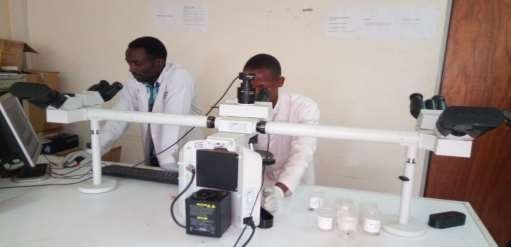
These treatment campaigns, combined with hygiene education and infrastructure improvements, are helping. “We focus on raising awareness because many people still don’t know about bilharzia,” says Mbonigaba.
Rwanda aims to eliminate schistosomiasis as a public health issue by 2024 and eradicate it by 2030. Though the fight continues, there’s progress. Kayitare notes, “We distributed praziquantel pills according to each person’s height, ensuring everyone received the treatment they needed.”
For Jeanette, recovery began with the mass drug distribution campaign. After taking praziquantel, she felt better within days. The bloating disappeared, and she returned to school, though she had missed weeks of lessons. “We’re lucky to have had access to treatment,” says Marie, Jeanette’s mother. “But many families don’t.”
While Jeanette’s story offers hope, it also highlights the ongoing need to improve water quality and sanitation. Without these changes, the cycle of infection will continue. Nathan Hitiyaremye, NTDs-WASH Coordination Officer at RBC, stresses, “Local governments, religious leaders, and communities must work together quickly to meet the WHO 2030 targets.”
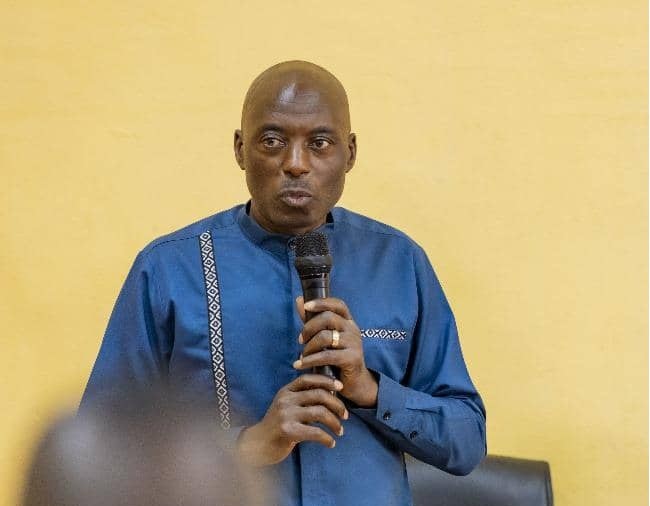
The fight against schistosomiasis in Rwanda is far from over, but progress is promising. Through better access to clean water, improved sanitation, and continued mass treatment campaigns, Rwanda is on track for a schistosomiasis-free future.
As one local fisherman said, “You can’t prevent contamination as long as you’re a fisherman.” But with more support and targeted interventions, a different future is possible—one where schistosomiasis no longer threatens the health of those around Lake Muhazi.
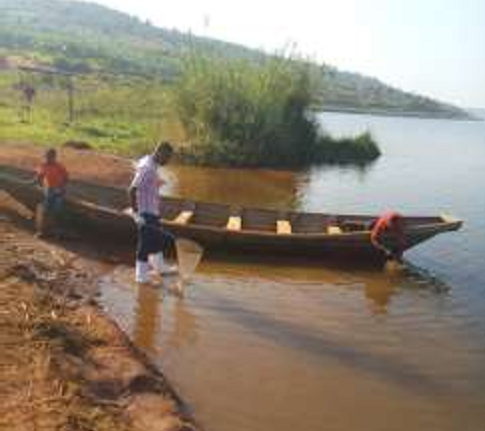
Schistosomiasis is caused by parasitic worms that live in freshwater. The disease spreads when people come into contact with contaminated water. The parasites enter the body through the skin, migrate to the blood vessels, and lay eggs, damaging organs like the liver, bladder, and intestines. If untreated, it can lead to serious complications, including organ damage and even death.