

Despite Rwanda’s significant strides in family planning access, advocates and health experts say vulnerable groups including adolescents, sex workers, and persons with disabilities continue to face systemic barriers to contraception and reproductive health services.
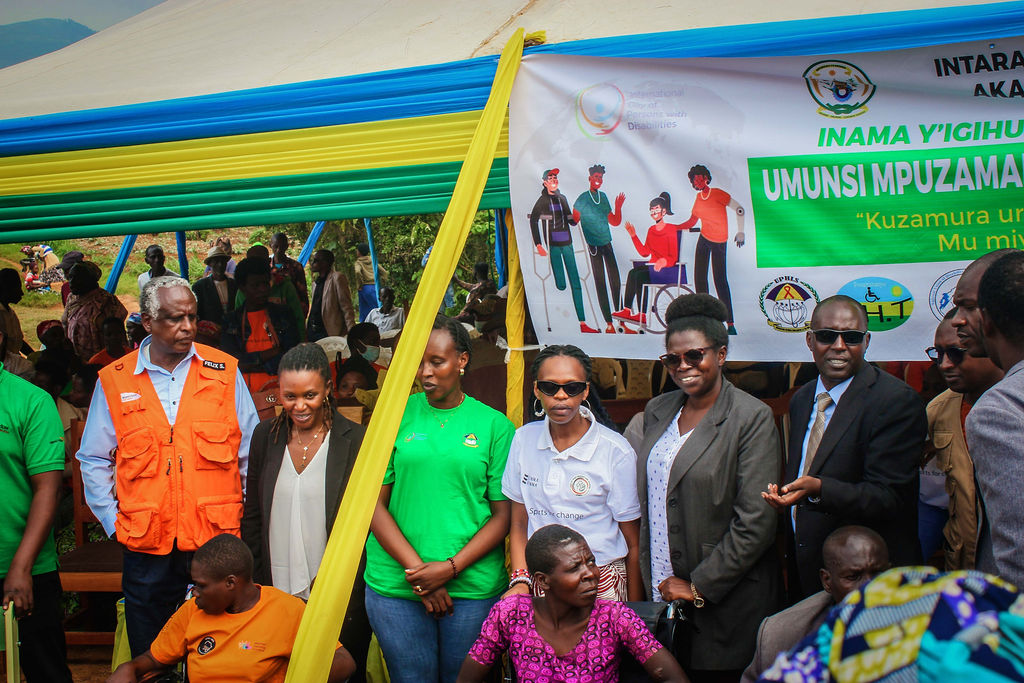
Now, civil society organizations and reproductive health professionals are calling for a more inclusive national framework that prioritizes these underserved populations, emphasizing that equitable access to contraception is essential to achieving universal health coverage and gender equality.
“Inclusivity remains one of the biggest gaps in sexual and reproductive health programming,” said Dr. Athanase Rukundo. Ag. Head of Clinical & Public Health at Ministry of Health. “Progress has been made, but it’s clear that not everyone is benefiting equally. Different communities face different challenges, and our systems need to reflect that.”
According to Rwanda Demographic and Health Survey data, modern contraceptive use among married women rose from 17% in 2005 to more than 58% by 2022—a figure widely praised across the region. Yet, behind those numbers lies a deeper inequality.
Teenage girls frequently face stigma at health centers, where some providers hesitate to offer them contraceptives due to cultural norms or personal bias. Individuals with disabilities often encounter physical barriers to accessing services or are dismissed based on the false assumption that they are not sexually active. Sex workers, meanwhile, report widespread mistreatment, denial of care, and a lack of long-acting contraceptive options.
In Kigali’s Nyamirambo sector, 19-year-old Divine, who lives with a mobility impairment, said she was once denied a contraceptive injection at a clinic.
“They told me people like me don’t need that,” she said. “It was humiliating.”
She later visited another clinic where she says she was treated with more respect. “That made a big difference. I felt like I mattered.”
Calls for a National Shift
Organizations working on sexual and reproductive health and rights (SRHR) are urging the government to adopt a policy that explicitly addresses the needs of marginalized communities. Key recommendations include training frontline health workers on inclusive and youth-friendly care, increasing mobile outreach services in informal settlements, making health centers physically accessible to people with disabilities, and offering free or subsidized contraceptives for low-income groups.
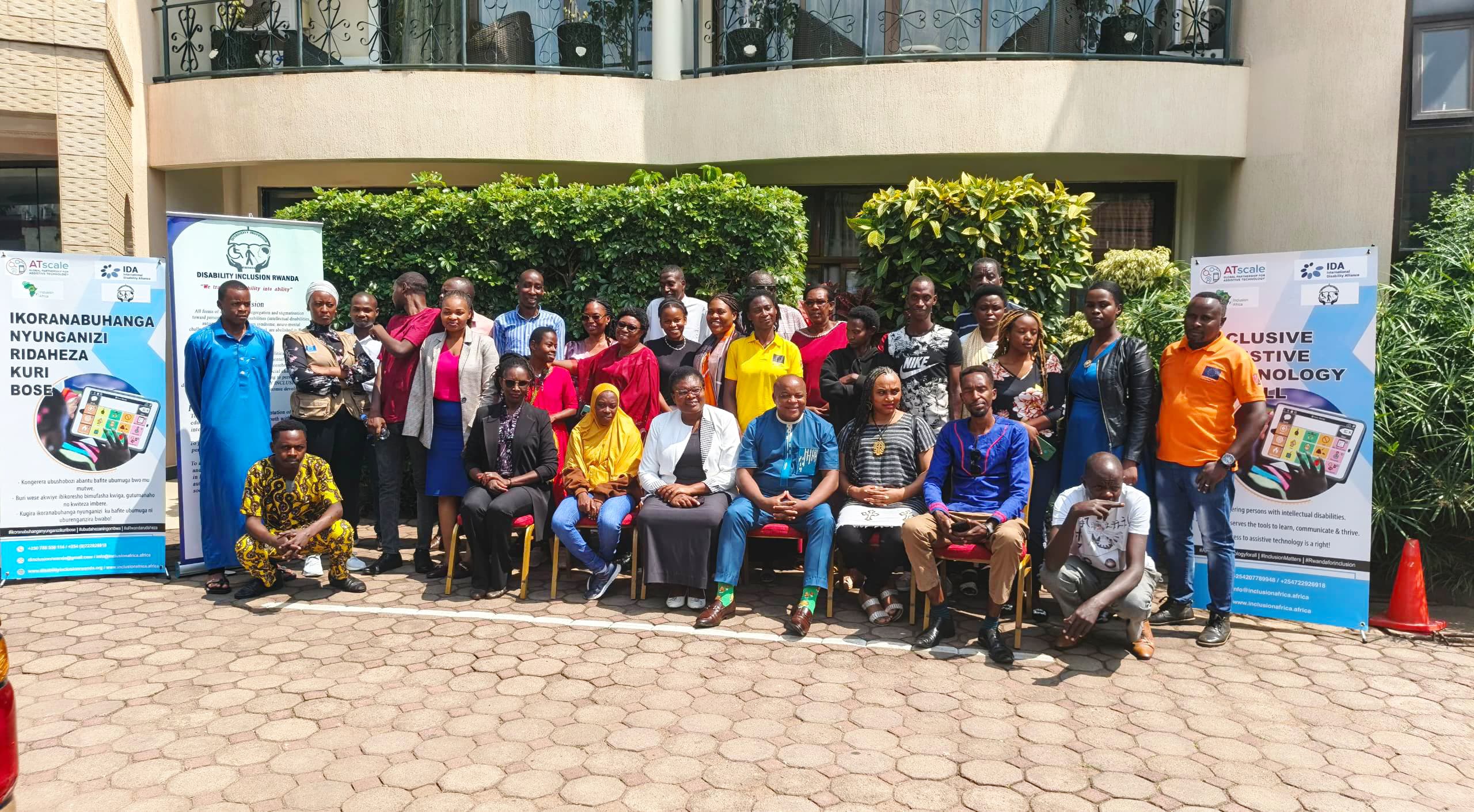
“We need a framework that doesn’t just count how many people are using contraception, but who is still left out—and why,” said Inema Pacifique Abayisenga, Deputy Director of Disability Inclusion Rwanda a local advocacy organization that supports Men and Women with disabilities.
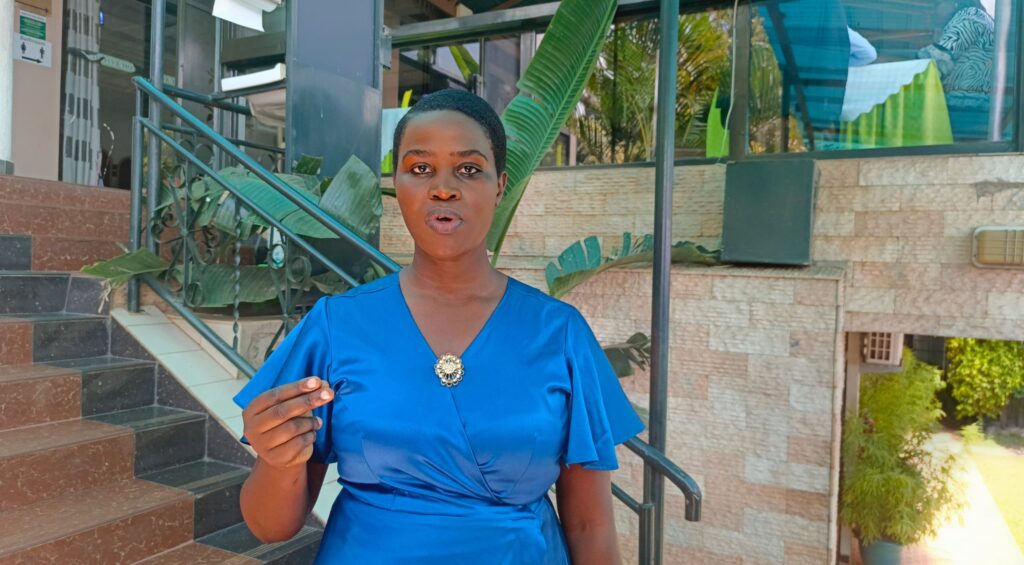
According to Inema, many women with disabilities are left out of reproductive health programming entirely, not because of policy hostility, but because of neglect and assumptions.
“They’re rarely consulted. Their needs are not budgeted for. Yet they have the same rights as everyone else to decide if, when, and how to have children.”
Sex workers face similarly harsh realities. Aline, a 26-year-old sex worker in Gatsata, said discrimination at clinics forces many to rely on peer networks for information and supplies.
“Sometimes we get condoms from friends or community groups,” she said. “But when you need an injection or an implant, you have to go to the clinic—and that’s where the problems start. They judge you.”
Peer-led outreach programs have filled some of the gaps, especially through partnerships with NGOs and HIV prevention programs. But advocates argue that stop-gap efforts are not enough without official policy reform and government-backed inclusion.
The Youth Factor
Young people also remain hesitant to seek contraceptive care, despite existing government initiatives such as youth corners in health centers.
Jean Claude, a peer educator in Bugesera District, said misinformation and fear of social backlash continue to prevent adolescents from accessing services.
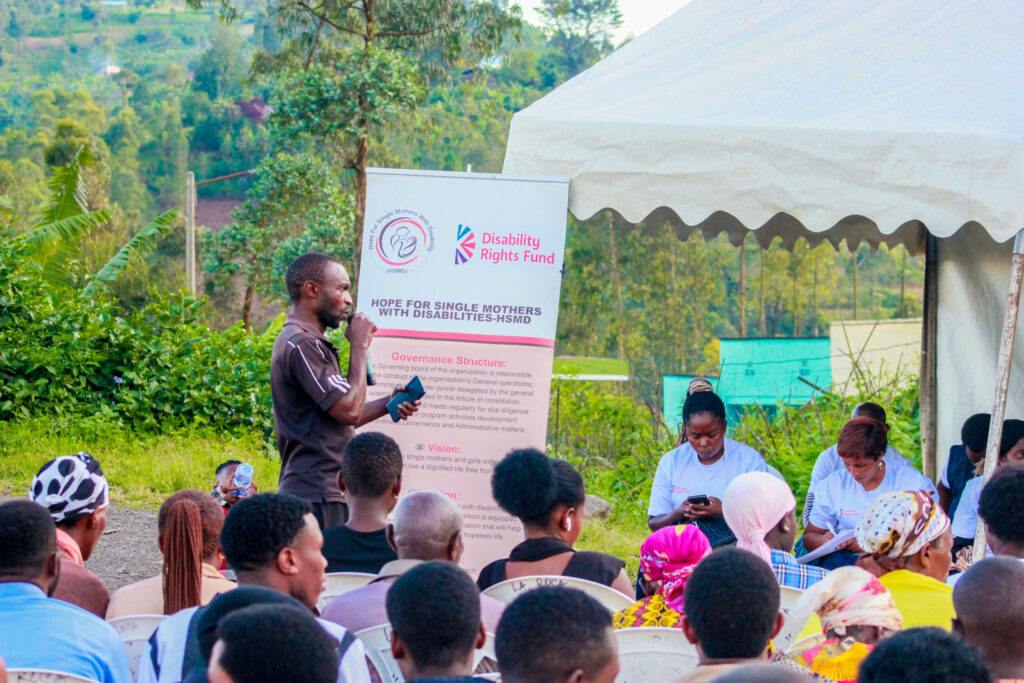
“Many girls still believe the nurse will call their parents if they ask for birth control,” he said. “Even when services exist, if people don’t trust the system, they won’t use it.”
Advocates want to see increased public education campaigns, led by both health officials and youth organizations, to build awareness about reproductive rights and reduce stigma—particularly for adolescents and out-of-school youth.
The Path Forward
While Rwanda’s health sector has shown openness to reform—particularly in digital health, maternal care, and community-based programs—experts say more needs to be done to ensure that family planning services are truly inclusive and equitable.
Dr. Rukundo emphasized the need for stronger monitoring and accountability systems to measure who is being reached—and who is being left behind.
“Universal access means no one is excluded,” he said. “That requires not just good intentions, but clear strategies, resources, and accountability at all levels.”
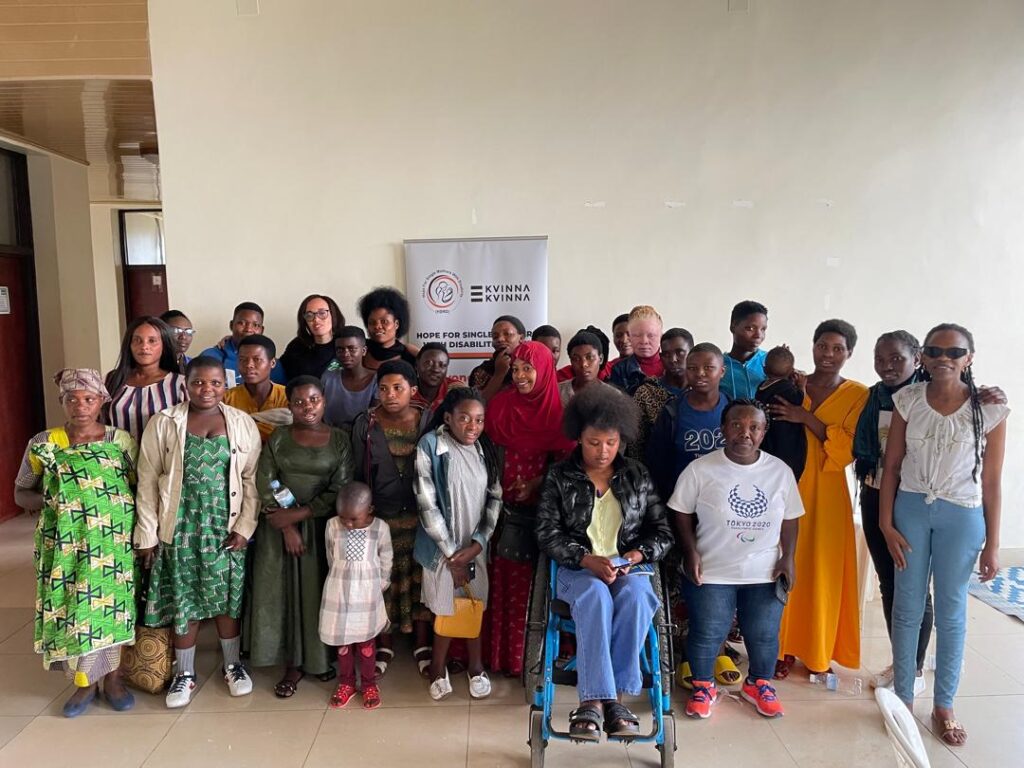
UNFPA Rwanda and other partners continue to support district-level training and data collection on SRHR. Stakeholders hope that growing advocacy momentum will lead to the integration of inclusivity standards in future national health policies.
For Divine, who was once turned away, the goal is simple.
“I just want to be treated like everyone else,” she said. “We all deserve to be heard.”