


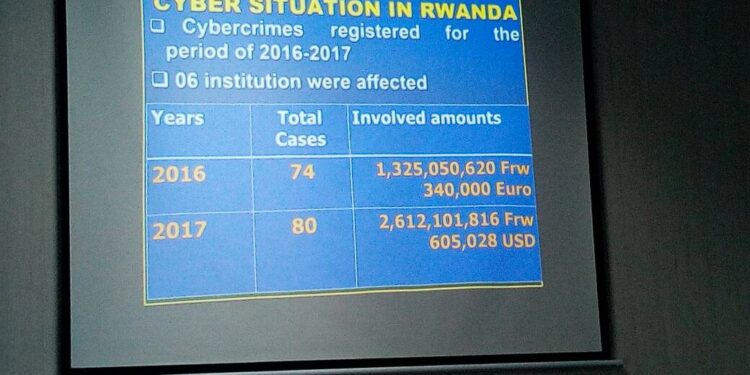
Rwandan security forces have successfully recovered $103,043 that was stolen through cyber fraud schemes in 2024. As part of a major international crackdown on digital scams, authorities also arrested 45 individuals linked to these crimes.
The operation, codenamed Red Card, was spearheaded by Interpol and aimed at tackling cyber fraud, a crime that often spans multiple countries. Given the international nature of these scams, Interpol coordinated with national law enforcement agencies to dismantle fraudulent networks.
Cyber Scams on the Rise
According to Interpol, cybercriminals managed to steal a total of $305,000 using various deception tactics. In Rwanda, fraudsters often pose as employees of telecom companies, calling unsuspecting victims and tricking them into revealing sensitive banking details. Once they gain access to an account, they swiftly withdraw funds before the victim realizes what has happened.
Another common scam involves criminals impersonating a distressed relative—such as a parent or child—who has allegedly been involved in a serious accident and urgently needs money for medical treatment. Victims, acting out of fear and concern, send the requested funds, only to realize later that they have been duped.
Global Efforts to Combat Cybercrime
As part of the Red Card operation, authorities in Rwanda seized 292 electronic devices used in these fraudulent activities. The crackdown was not limited to Rwanda; a total of 306 individuals were arrested across multiple countries, including Nigeria, Benin, Côte d’Ivoire, South Africa, Togo, and Zambia.
Among these nations, Nigeria reported the highest number of arrests, with 130 suspects taken into custody. Authorities there identified 1,500 victims of cyber fraud and confiscated 1,842 electronic devices linked to criminal activities. Additionally, Nigerian officials seized 26 vehicles, 16 houses, 39 plots of land, and 685 electronic devices used in fraudulent operations.
South Africa also recorded significant progress, with 40 arrests, while Zambia detained 14 individuals. One common technique used by cybercriminals in Zambia involved sending deceptive messages with malicious links. Once a victim clicked on the link, hackers could access sensitive data stored on their phone or computer, allowing them to steal funds.
A Warning to the Public
Authorities urge the public to remain vigilant and avoid sharing sensitive information over the phone or online. Cyber fraudsters are becoming increasingly sophisticated, and staying informed is the best defense against these evolving scams.
With continued international cooperation and heightened public awareness, law enforcement agencies hope to curb the rise of cyber fraud and protect individuals from falling victim to digital deception.