


The COVID-19 pandemic showed us how unprepared the world was for a health crisis. Healthcare systems around the globe, including in high-income countries, struggled to cope with the surge in cases. It became clear that healthcare must be treated as a national security issue, and governments must prioritize building stronger health systems.
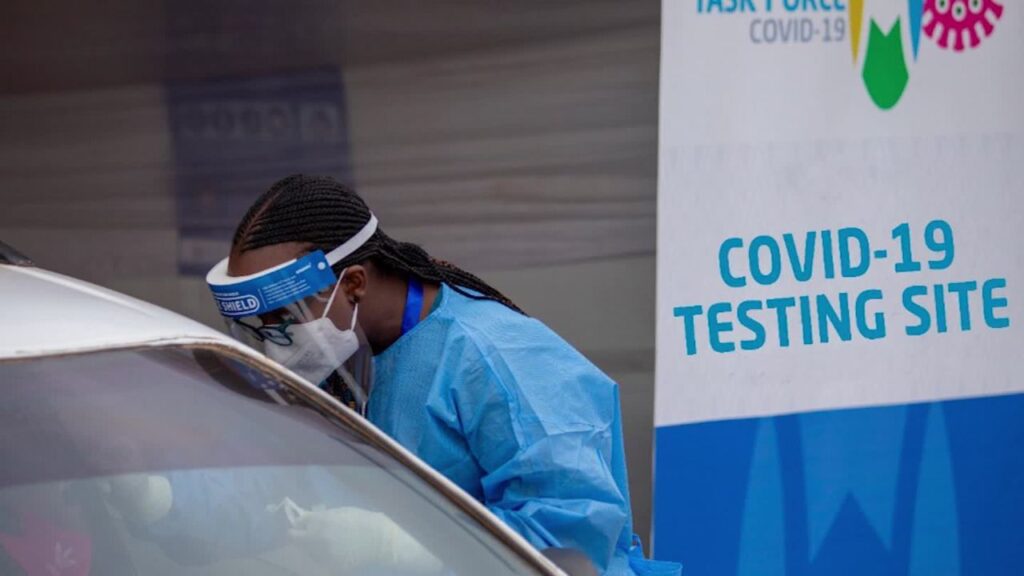
On January 30, 2020, the World Health Organization (WHO) declared a Public Health Emergency of International Concern. By March 11, 2020, COVID-19 was declared a global pandemic. This virus affected every part of society—healthcare, economies, education, and tourism. The world was caught off guard, and many countries were not ready to respond.
One key lesson from the pandemic was how fast the COVID-19 vaccine was developed. Normally, vaccines take years to create, but this one was ready in less than a year. This was a huge scientific achievement. But the distribution of the vaccine was not fair. Wealthy countries secured most of the vaccine supply, while many poorer countries, including most African nations, struggled to get enough doses. This created deeper inequalities between the Global North and South.
Countries like Rwanda, however, showed how quick action and good planning could help secure vaccines for their people. Rwanda prioritized equitable vaccine access, but many other African nations still face challenges. Africa’s healthcare systems are often underfunded and lack essential resources like personal protective equipment (PPE), ventilators, and vaccines.
The pandemic made it clear that health must be a top priority. Governments need to invest in strong healthcare systems to be ready for future health emergencies. For African nations, this means focusing on building universal health coverage. This will not only help in times of crisis but also improve overall well-being in the long term.
Lockdowns, while necessary, also had serious effects on people’s mental health and economies. The pandemic also brought a rise in misinformation and conspiracy theories, especially about vaccines. This created confusion and made it harder for people to trust public health measures.
What did we learn from the pandemic? First, no country is safe until every country is safe. Health risks, like pandemics, cross borders. To prevent future health disasters, countries must make sure that vaccines, medicines, and medical technologies are accessible to all—especially to those who need them most.
We also saw how important global cooperation is. Health issues require a united effort. But political tension and anti-science movements, like the U.S. decision to leave the World Health Organization, have made it harder to work together.
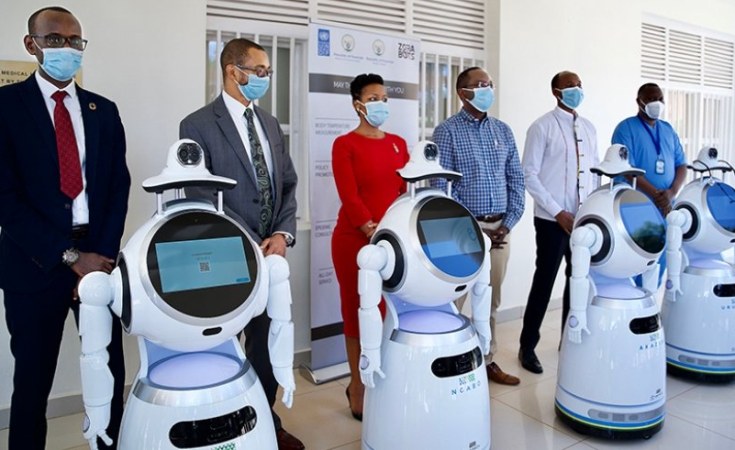
Africa has the potential to lead the way in healthcare innovation. Countries like Rwanda have shown how fast, smart planning can help protect their citizens. By improving technology and healthcare education, African nations can build stronger, more resilient healthcare systems.
Looking back, we are better prepared for a future health crisis than we were at the start of the pandemic. But there is still much work to do. Governments, especially in Africa, must treat healthcare as a matter of national security. They need to ensure that healthcare systems are ready to face new challenges.
The COVID-19 pandemic may be over, but its lessons are still with us. We must continue to invest in healthcare, fight misinformation, and ensure that everyone—everywhere—has access to the health resources they need. Only then will we be ready for whatever comes next.