


Rwanda is increasingly recognized as a leader in Africa’s primary healthcare development. This recognition was underscored by the African Union’s Centre for Disease Control and Prevention (Africa CDC), which recently highlighted Rwanda as a model for other nations on the continent.
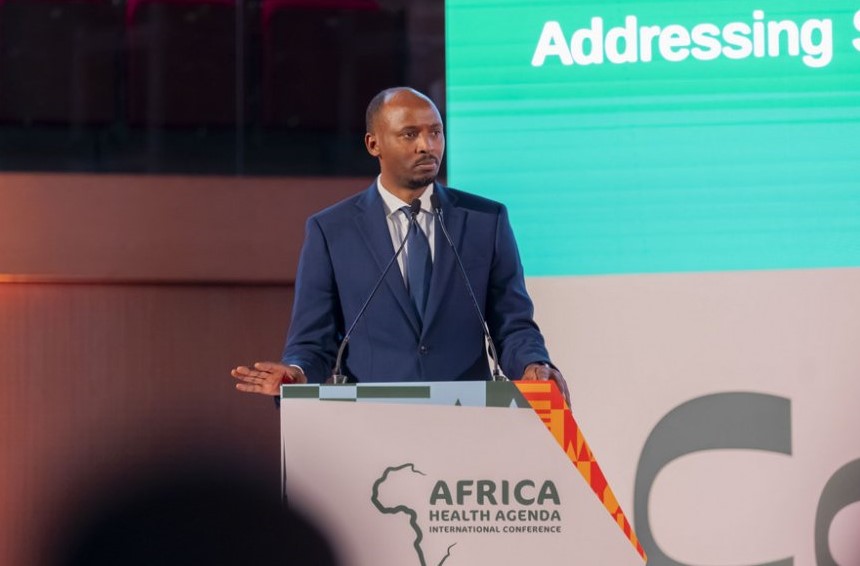
During the Africa Health International Conference Agenda (AHAIC 2025), Dr. Raji Tajudeen, the Acting Deputy Director-General of Africa CDC, praised Rwanda’s innovative approach to healthcare.
Dr. Tajudeen, who was in Rwanda for the conference, emphasized that Rwanda’s success is a result of a strong, comprehensive primary healthcare system. “Rwanda has shown that it is possible to provide affordable, high-quality healthcare by building a robust primary healthcare system,” he said. “This is a lesson for the entire continent.”
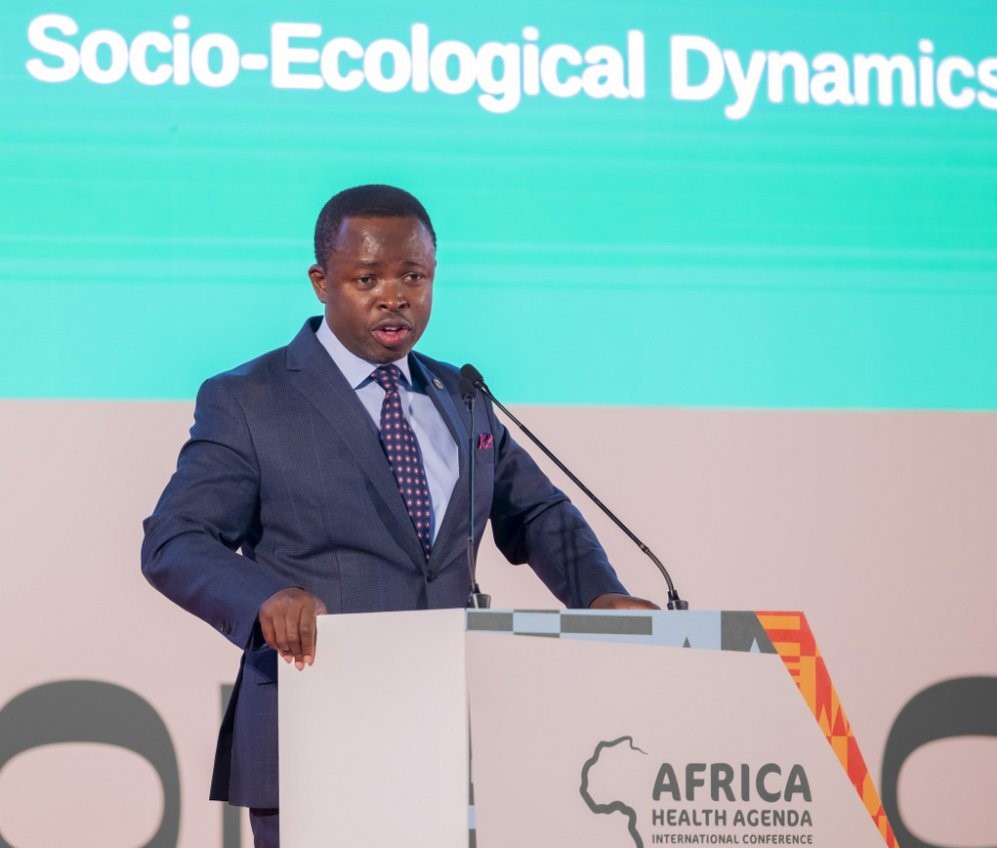
Central to Rwanda’s success is its focus on meeting the needs of its population and empowering communities to take responsibility for their health. Primary healthcare, Dr. Tajudeen noted, is not just about clinics and hospitals—it’s about creating an ecosystem that ensures everyone can access care, no matter their location or financial means. “We must look at how we can deliver services efficiently and affordably,” he added. “Rwanda’s approach is a blueprint for success.”
President Paul Kagame has been a key figure in promoting healthcare investment, demonstrating that with strong leadership, nations can achieve great progress in the health sector. Rwanda’s ability to manage health crises, such as the Marburg outbreak, is a testament to its healthcare system’s growth. “Rwanda’s rapid response to the Marburg crisis shows the country’s ability to effectively manage healthcare emergencies,” Dr. Tajudeen said.
Technology has also played a significant role in Rwanda’s healthcare advancements. With an increasing number of Africans using smartphones to access the internet, Rwanda has embraced mobile health solutions to extend healthcare services, even to the most remote areas. This tech-driven approach helps bridge the gap between rural communities and healthcare providers, ensuring that healthcare information and services are easily accessible.
Dr. Sabin Nsanzimana, Rwanda’s Minister of Health, outlined six key pillars that have been central to the country’s primary healthcare success. “Our focus has been on building a sustainable healthcare system by training more healthcare workers and expanding our infrastructure,” he explained. “We aim to ensure that everyone, from community health workers to specialists, has the skills to meet the needs of the population.”
One of the country’s flagship initiatives is the “4×4 Reform” program, which aims to quadruple the number of healthcare workers in the next four years. This program is a direct response to the growing demand for healthcare services, ensuring that the workforce can keep pace with the country’s healthcare goals.
Rwanda has also prioritized healthcare infrastructure, with a particular focus on primary healthcare centers. Currently, the country has 1,280 primary healthcare centers, representing 57% of its healthcare facilities. In the next five years, Rwanda plans to build 100 new centers and upgrade 420 more, bringing healthcare closer to its citizens.
Modernization of healthcare facilities is another area of focus. Rwanda has invested heavily in technology and equipment to ensure that healthcare workers have the tools they need to deliver high-quality care. Dr. Nsanzimana emphasized that integrating digital health tools, artificial intelligence (AI), and modern medical equipment will play a vital role in addressing the country’s healthcare challenges, particularly in light of worker shortages.

As other African nations look to improve their healthcare systems, Rwanda’s progress offers valuable lessons in the importance of strategic investment, workforce development, and technological innovation. Dr. Tajudeen concluded, “Rwanda has proven that with the right leadership and commitment, primary healthcare can be transformed in Africa.”
Rwanda’s approach is a shining example of what is possible when a country prioritizes health, invests in its people, and embraces innovation. As the nation continues to build on its successes, it serves as a beacon of hope for the rest of the continent, demonstrating that a healthier Africa is within reach.