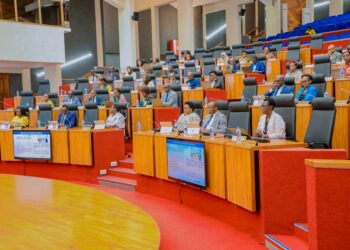


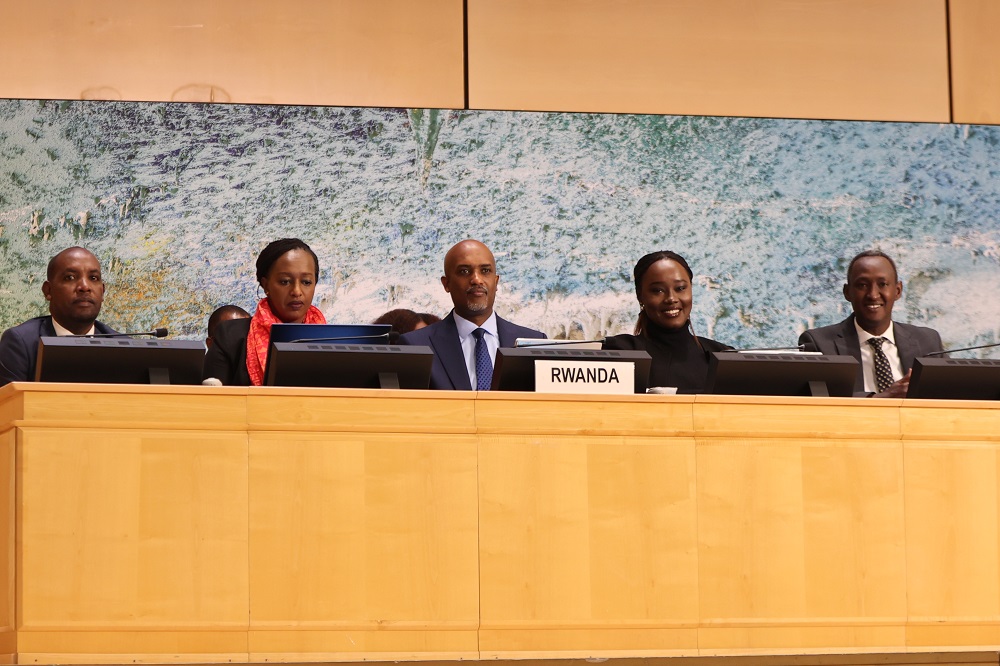
Rwanda has reported significant progress in implementing human rights recommendations to the United Nations, the Ministry of Justice said Wednesday.
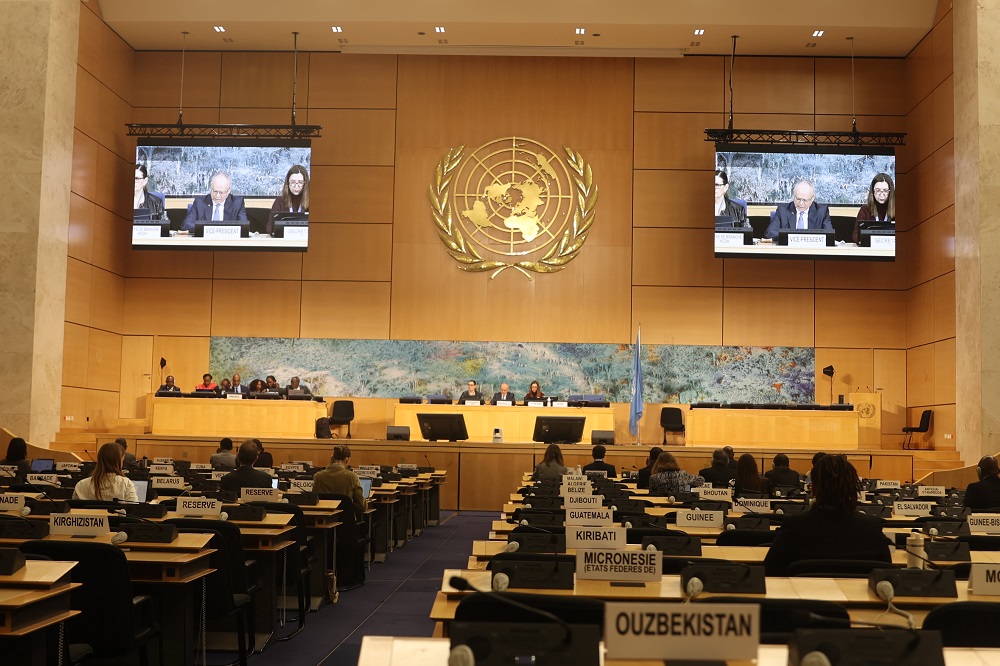
The report, submitted to the U.N. Human Rights Branch, details the country’s response to 160 recommendations it agreed to implement out of 260 received in 2021. According to Justice Minister and Senior Government Representative Dr. Emmanuel Ugirashebuja, nearly 97% of the recommendations have been executed.
“These measures cover all aspects of national life, ensuring alignment with human rights standards,” Dr. Ugirashebuja said, noting that the report helps Rwanda evaluate its compliance with U.N. guidelines.
Over the past five years, more than 3,000 personnel in security and justice sectors have been trained to expedite legal proceedings, uphold trial rights, and prevent torture. Additionally, 673 law enforcement officials, including leaders and prosecutors, participated in specialized training courses.
The report also highlights Rwanda’s efforts to expand access to essential services. Public service delivery through the Irembo platform increased from 89 to 220 services, while citizen satisfaction rose from 76.2% to 89.6% by 2024. Access to electricity reached 84%, mobile phone ownership rose to over 86%, and 94% of citizens now have clean water.
Rwanda has also advanced healthcare access, reducing under-five child mortality from 45 per 1,000 in 2020 to 36 per 1,000 in 2025. Hospitals were upgraded to university teaching standards, and a program was launched to quadruple the health workforce.
In education, 20,781 classrooms and 650 schools were built, with expanded facilities for students with disabilities. Poverty fell from 39.8% to 27.4%, lifting 1.5 million people out of extreme poverty.
Rwanda has strengthened its environmental policies, with the Green Fund supporting 64 projects that created over 100,000 jobs and the launch of a national carbon market. The country has also taken measures to protect refugees, preserve national unity, and honor Tutsi Genocide memorials as UNESCO World Heritage Sites.
Dr. Ugirashebuja said international partners have praised Rwanda while offering recommendations, including strengthening civil society, media freedom, and transparency. He emphasized that allegations of rights violations should be evidence-based to facilitate proper follow-up.