

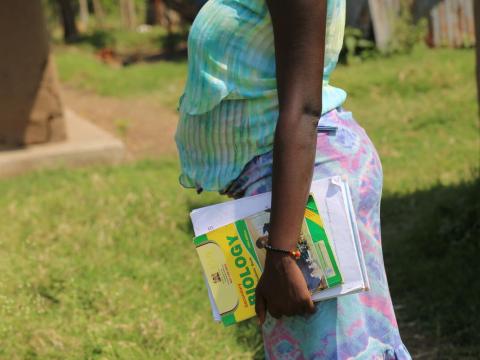
When 16-year-old Diane (not her real name) discovered she was pregnant earlier this year, she had no one to turn to. Her school offered no guidance beyond abstinence, and she feared the shame of speaking up.
“At school, they just say, ‘don’t do it,’” she said. “No one tells us what to do if something happens.”
Her story echoes the growing crisis facing Rwanda’s adolescents. In 2023, the Ministry of Health reported a 12% increase in teenage pregnancies from the previous year — with more than 20,000 cases recorded nationwide. The uptick has reignited debate over how the country addresses sexual and reproductive health and rights (SRHR) for young people.
Investing in Youth-Friendly Services
In response, the government has prioritized scaling up access to youth-friendly health services. A flagship strategy is the expansion of youth-friendly corners in public health centers designated spaces that offer adolescents confidential counseling, access to contraceptives, menstrual health support, and STI screening.
As of June 2024, more than 120 youth-friendly corners had been established across Rwanda, with an additional Rwf 1.2 billion allocated in the 2024/2025 national health budget to support adolescent reproductive health services. The Ministry of Health has pledged to increase that number to 200 by the end of 2025, in line with the country’s National Reproductive, Maternal, Neonatal, Child, and Adolescent Health Strategic Plan.
“These are not just physical spaces — they’re safe zones where young people can finally ask questions without fear or shame,” said Dr Aline Uwimana. Division Manager. Maternal, Child and Community Health at the Rwanda Biomedical Centre (RBC). “But to truly meet our national targets, we also need to reach them where they spend most of their time — in schools.”
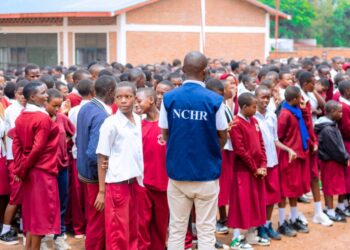
While the health sector is making strides, schools remain a weak link. Although the national curriculum includes basic reproductive health in science and social studies, many teachers avoid the topic due to cultural sensitivities and fear of community backlash.
“Teachers are not trained or supported to talk about sex education,” said Jean-Claude Ndagijimana, a high school biology teacher in Gasabo District. “There’s also pressure from parents and school leadership to stay silent.”
The Ministry of Education has acknowledged the gap. In March 2024, it began reviewing curriculum guidelines with the aim of introducing comprehensive sexuality education (CSE) across all secondary schools by 2026. But experts warn that without clear national policy backing and community engagement, efforts may stall.
“We must bridge health and education systems,” said Dr. Uwimana. “Young people need consistent, evidence-based information not mixed messages.”
Peer Educators Lead Community Change
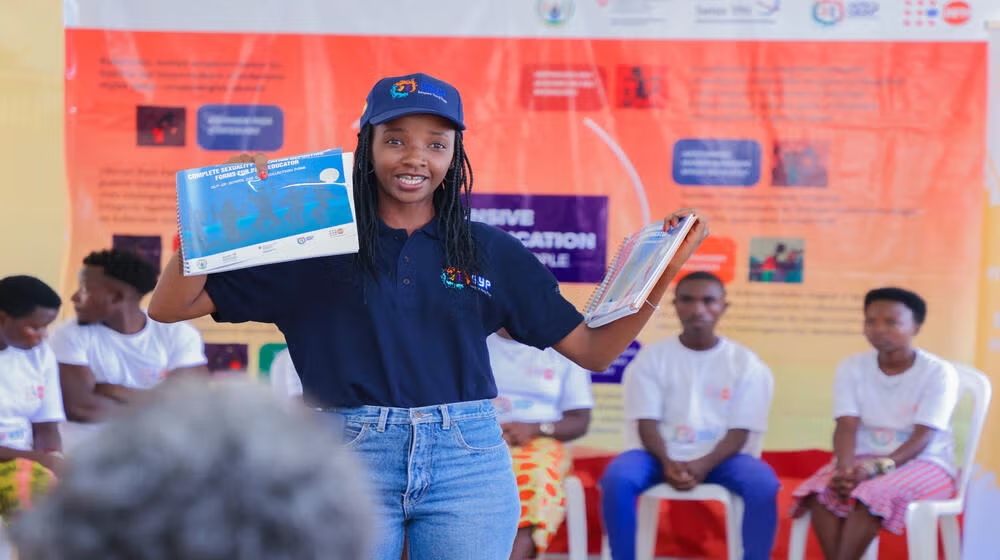
To fill the gap, Rwanda is leaning on peer-to-peer education models — and one of the most ambitious is the UNESCO “Our Rights, Our Lives, Our Future” (O3) programme, which targets youth both in and out of school.
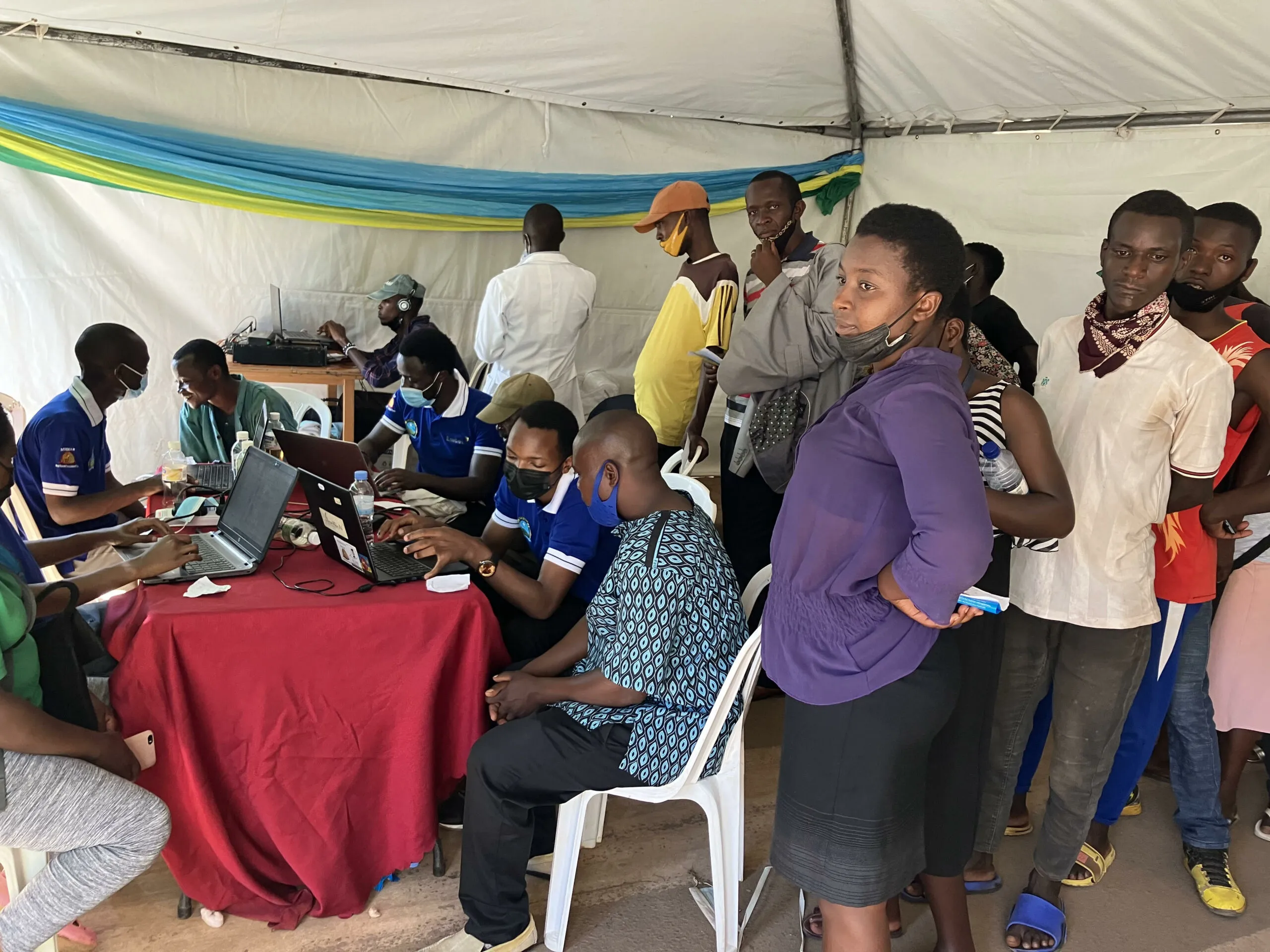
In June 2024, in partnership with Community Health Boosters (CHB), the O3 program trained 254 peer educators in four districts, including Kigali, Rubavu, Nyanza, and Nyagatare. The two-week intensive training covered SRHR, HIV prevention, gender-based violence (GBV), consent, and debunking myths around contraceptives and menstruation.
Among the tools used was the designed to break taboos and make learning about sexual health more accessible and fun.
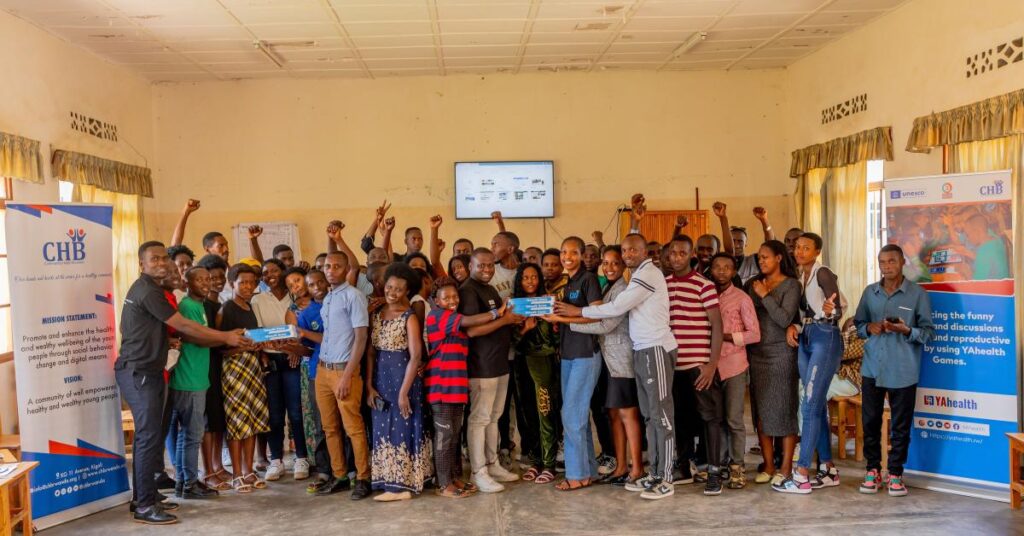
One of the trainees, 23-year-old David Ukurikiyeyezu from Nyanza District, emerged as a community mobilizer.
“The training changed my life,” he said. “It built my confidence and gave me the tools to help others. Now I’m organizing outreach to engage 150 more youth who are out of school. We want zero new infections, zero pregnancies, and zero GBV cases.”
While peer-led outreach and youth corners have shown promising results — including a 20% increase in SRHR service uptake among 15–19-year-olds in pilot districts, according to UNICEF — many rural areas still lag behind.
“Access remains a big issue,” said Dr. Ruth Byukusenge Health Systems Strengthening Advisor with Health Development Initiative (HDI), one of the local NGOs supporting the rollout. “Many parents still resist discussions about sexuality, and some health workers themselves hold judgmental attitudes.”
To address that, HDI has started training health providers and holding community dialogues with parents, religious leaders, and teachers.
“Changing mindsets is slow, but it’s happening,” Dr. Byukusenge said. “When parents hear the numbers and meet girls like Diane they start to understand the cost of silence.”
At a parents’ forum held in Rubavu District in May, Beatrice Mukamana, a mother of three, admitted she had changed her stance.
“I used to think teaching about sex would encourage it,” she said. “But now I see that hiding information is more dangerous.”
Holding the System Accountable
While Rwanda’s youth SRHR push is commendable, civil society groups are now calling for stronger accountability mechanisms, including annual reporting on progress toward youth health targets and clearer guidelines on school-health center collaboration.
“There’s a risk that these initiatives stay at the pilot level,” said Dr. Byukusenge “We need a legal framework to sustain what’s working, budget transparency, and regular evaluation.”
Dr. Uwimana agrees. “It’s not enough to build youth corners or train educators — we must track impact, invest in training, and make adolescent health a cross-sectoral priority.”
For girls like Diane, these programs are more than policy—they’re a lifeline. After a friend referred her to a youth corner, she received prenatal care and psychosocial support. Later, a local NGO helped her return to school.
“I thought my future was finished,” she said. “But they helped me see I still have one.”
As Rwanda pushes forward with its 2025 SRHR targets, the challenge will be ensuring that every adolescent — whether in Kigali or a rural village — can access the knowledge, care, and support they need to thrive.