


Poor oral health linked to diseases, tooth loss, and broader health risks
Minister of Health, Dr. Sabin Nsanzimana, has warned residents of Nyamagabe District about the health risks associated with poor oral hygiene, urging them to take better care of their teeth and mouth.
Speaking during a community cleanup event, or umuganda, on Nov. 29, 2025, Dr. Nsanzimana said neglecting oral care can lead to oral diseases, tooth extractions, and other complications.
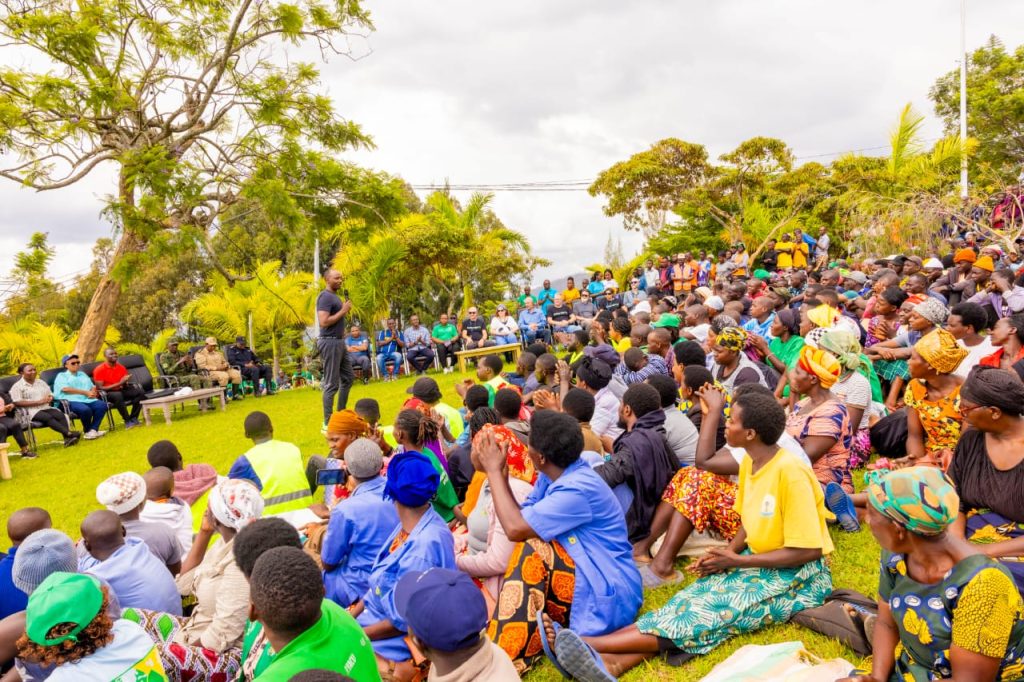
“Do not leave home without brushing your teeth,” he said. “When you meet others, you expose them to the remnants of what you ate. Over time, plaque combines with food particles, leading to cavities and infections. People go to the hospital, and sometimes teeth have to be removed.”
Data from the 2024 National Health Research Center (RBC) shows that oral diseases rank fifth among the top 20 conditions treated in hospitals nationwide. The study found that in rural areas, 38% of people do not brush their teeth regularly, compared with 11.2% in urban areas. Nationwide, 33% of adults over 18 do not practice proper oral hygiene.
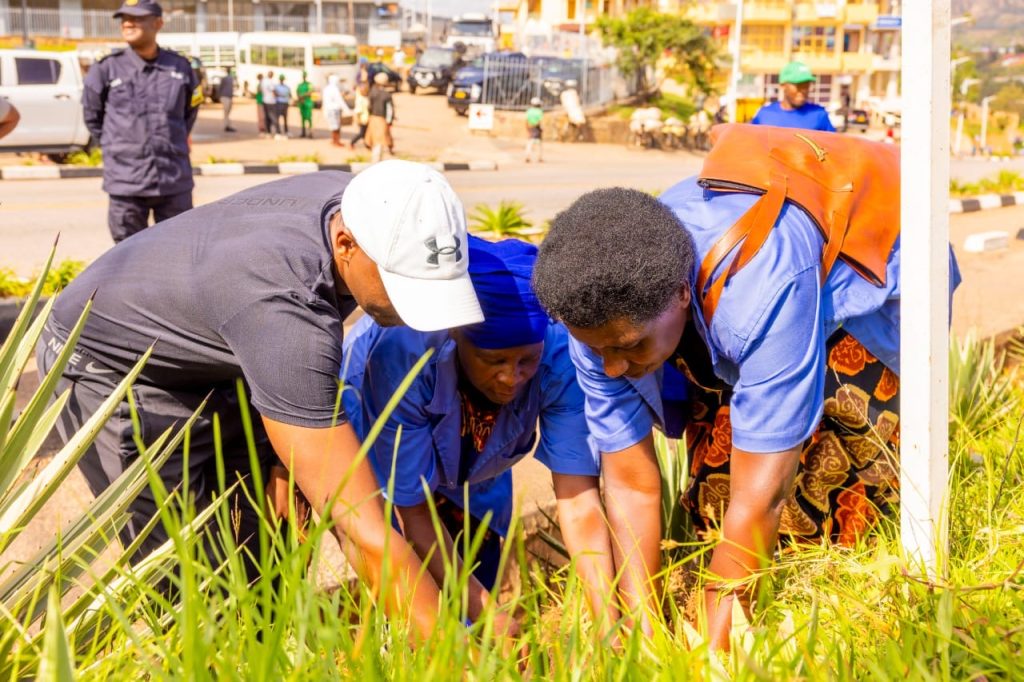
Dr. Nsanzimana emphasized that maintaining oral hygiene is affordable, noting that toothbrushes and toothpaste are accessible and inexpensive. “Please, brush your teeth,” he urged.
RBC also highlights that poor oral health can affect mental well-being and is linked to non-communicable diseases, including diabetes. Pregnant women with poor oral hygiene are at higher risk of delivering underweight babies.
Health officials recommend brushing teeth at key times: in the morning, after meals, and at night before going to bed, to prevent bacterial buildup and tooth decay.