


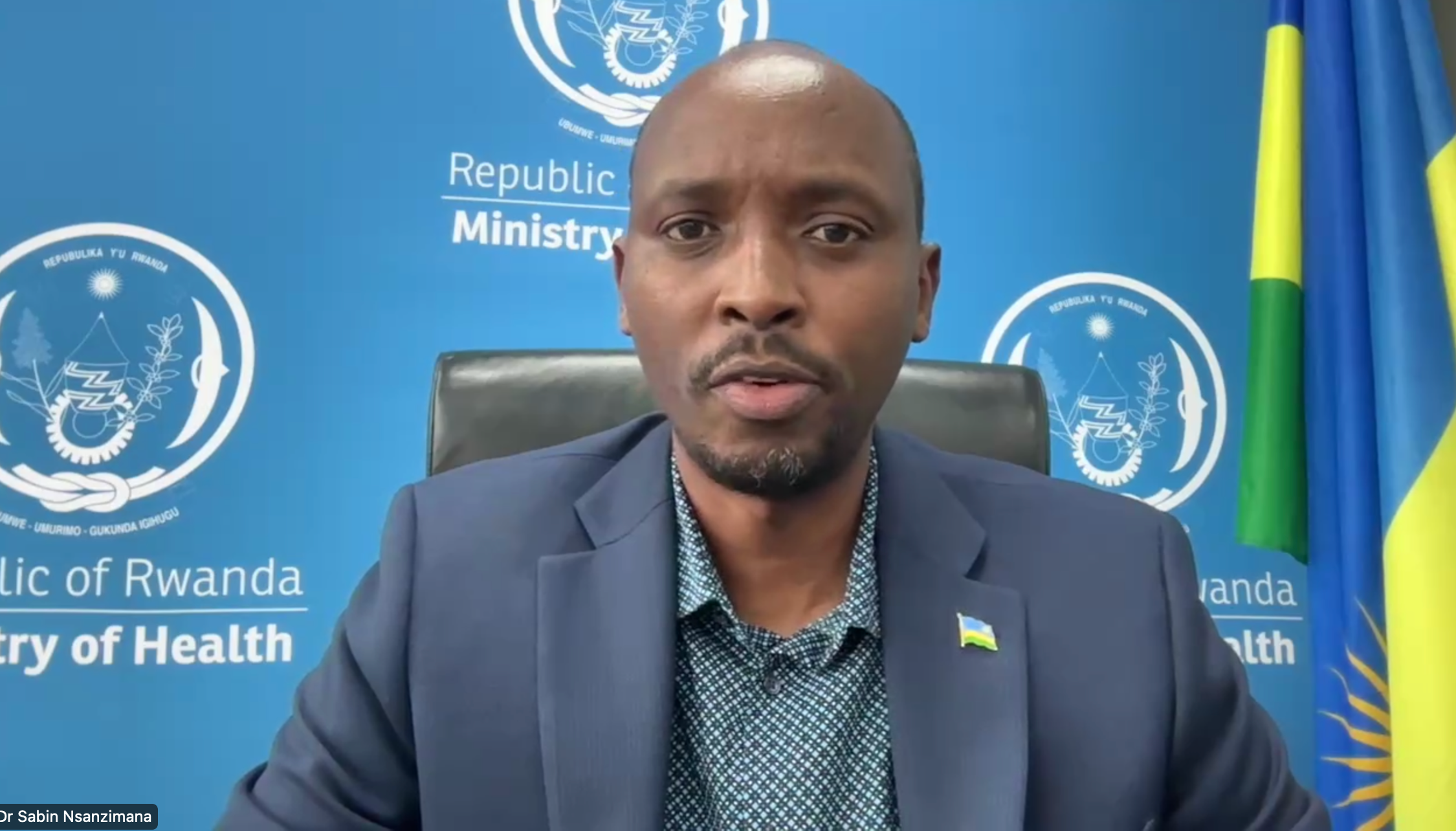
In an exciting new phase for Rwanda’s healthcare system, the Ministry of Health has announced several significant reforms aimed at improving services and making them more efficient in 2025. From overhauling payment systems to renovating aging hospitals, the country is taking bold steps to ensure better healthcare access for all Rwandans.
Pre-Payment System to Revolutionize Healthcare Access
One of the most notable changes is the introduction of a pre-payment system for primary healthcare services. Minister of Health Dr. Sabin Nsanzimana revealed that, by July 1, 2025, health centers, including local health posts and health centers, will begin receiving payments from insurance companies before delivering services—replacing the previous system where payments were made only after services had been rendered.
Speaking on January 22, 2025, in front of the Parliamentary Committee on Governance, Gender Equality, and the Role of Men and Women, Dr. Nsanzimana explained that this change aims to address financial challenges that have plagued many health facilities. Under the old system, delayed payments often resulted in shortages of medicine and medical supplies, leaving patients without necessary care.
“Health centers often operate with limited funds, and when payments are delayed, even for a week, it affects the community. Health facilities struggle to buy medicines and equipment, and when patients arrive, they find no resources available,” Dr. Nsanzimana said.
With the new system, insurance companies will pay health centers upfront, ensuring that hospitals and clinics have the funds to provide uninterrupted care. This pre-payment approach is set to be piloted in smaller health centers and will eventually be expanded to all healthcare facilities nationwide.
Dr. Nsanzimana assured that while there are risks with the new system, such as potential misuse of funds, these would be closely monitored in the early stages before nationwide rollout. “We are optimistic that this change will ultimately make the healthcare system faster and more reliable,” he added.
Renovating Rwanda’s Aging Hospitals
In addition to the payment reforms, the Minister announced plans to renovate some of Rwanda’s oldest hospitals, which are struggling with outdated infrastructure. Many hospitals in the country began as small health centers, and as they expanded, the buildings were not built to handle the growing demands of modern healthcare.
“Most of these buildings were not constructed with the current healthcare needs in mind. They were converted into hospitals from other structures, and now they need to be renovated to meet today’s standards,” said Dr. Nsanzimana.
The first phase of renovations will focus on hospitals like Kiziguro, Rwamagana, and Muhima, which have outgrown their original designs. Dr. Nsanzimana pointed out that the goal is to revamp all older hospitals across the country, ensuring that they provide high-quality, patient-centered care.
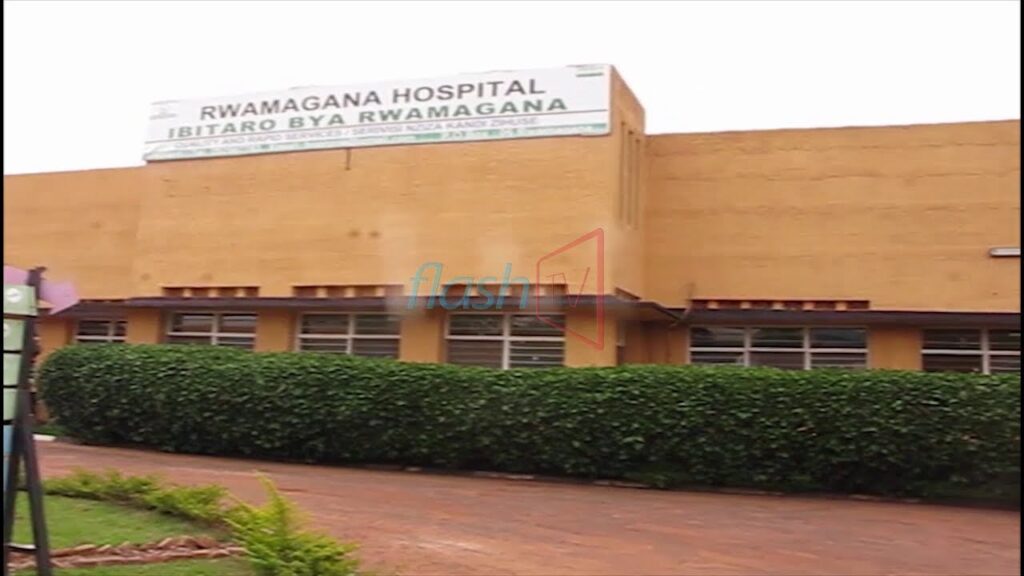
However, he acknowledged that securing the necessary funds for these renovations will take time. While the Ministry does not have all the funds upfront, the work will begin with available resources and continue as additional funding becomes accessible.
“We understand the scale of this challenge, but we are committed to starting small and scaling up. We believe that by putting in the effort, we can begin with 40% of what we need and build from there,” he explained.
The renovation plans include expanding hospital capacity, such as the Nyarugenge hospital, where a second phase of renovation will add more beds, increasing capacity from 180 to 300.
Digital Transformation: Revolutionizing Patient Referrals
In another major leap, the Ministry of Health is set to roll out a digital patient referral system, which will allow patients to access medical services without carrying cumbersome paperwork. By using technology, patients will be able to schedule consultations, request prescriptions, and even receive referral letters online.
This innovative system is designed to alleviate the burden on patients who currently have to transport multiple documents—such as referral letters, insurance details, and ID cards—when transferring between health centers. Instead, all relevant patient information will be accessible digitally, streamlining the process and reducing delays.
“This technology will speed up the service delivery process. Doctors will have access to comprehensive patient histories, and patients will no longer have to carry physical documents from one facility to another,” said Dr. Nsanzimana.
The Minister emphasized that this digital shift will significantly improve patient experience and make healthcare more efficient. He also expressed confidence that the system will be operational by the end of the year, benefiting both patients and healthcare providers.
“It’s a good thing that will make healthcare easier, faster, and more accessible for everyone,” he said, with optimism.
Looking Ahead
As Rwanda continues to innovate its healthcare system, the Ministry’s reforms show a strong commitment to improving service delivery, infrastructure, and access to care. With a focus on technology and patient-centered solutions, the country is laying the groundwork for a more efficient and responsive healthcare system that will meet the needs of its growing population.
While these changes may take time to fully implement, the direction is clear: Rwanda is on the path to providing its citizens with a healthcare system that is both modern and accessible, ensuring a healthier future for all.