

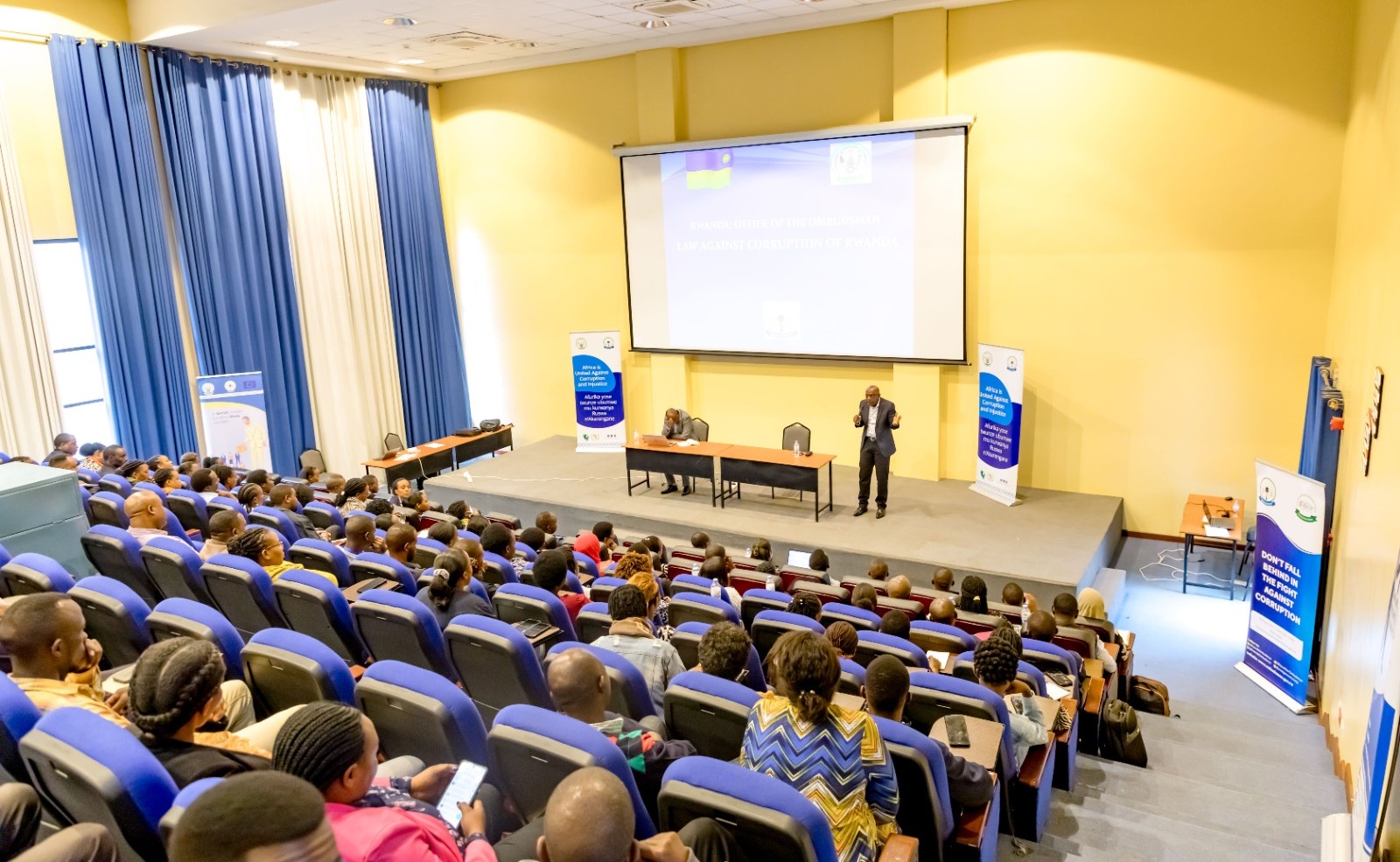
The Deputy Ombudsman in charge of fighting corruption Abbas Mukama highlighted the importance of reporting corruption during a training workshop on December 20, urging healthcare professionals in Rwanda’s health sector to stay vigilant in the fight against corruption. He emphasized the protection offered under Rwanda’s Anti-Corruption Law, which shields those who report corruption in good faith.
Under the Anti-Corruption Law No. 54/2018, individuals who provide or receive bribes to assist in gathering evidence against corruption will not face criminal liability if they report the act to the authorities before the crime is committed. “The law protects those who come forward. You must not fear retaliation or harm. The Ombudsman’s Office is here to support you,” Mukama assured health professionals.
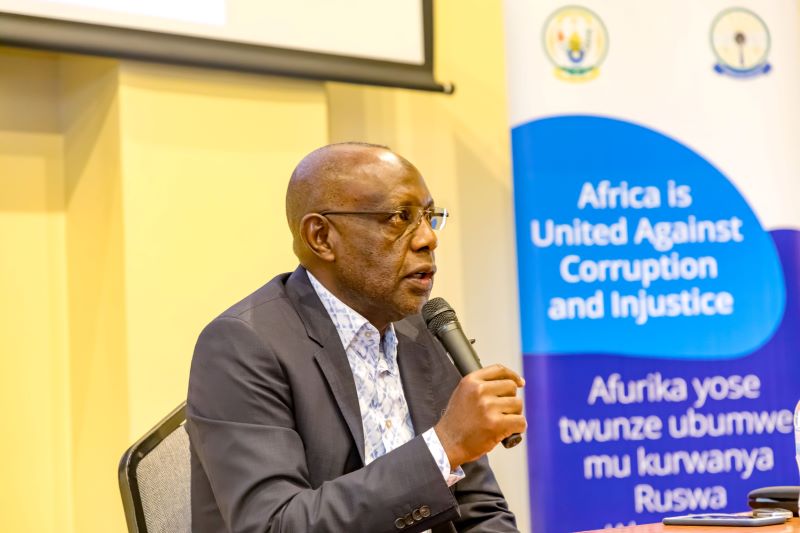
Mukama cautioned that failing to report corruption would make individuals complicit in the crime. “If you see corruption and don’t report it, you are considered an accomplice,” he stressed. He encouraged the health professionals to act as the “eyes” of the government in detecting and addressing any wrongdoing.
Rwanda’s health sector is relatively free from corruption, with rates as low as 0.50%, according to Transparency International Rwanda. However, Mukama reminded the attendees that even low corruption levels require continued vigilance. “The health sector is a cornerstone of national development, and it must remain free from corruption to achieve the goals of Vision 2050 and the National Transformation Strategy,” he said.
Mukama also commended the health workers for their professionalism and hard work, recognizing them as some of the best in the region. “Your efforts not only improve the country but also enhance your careers,” he told them. Despite the progress made, he emphasized that the fight against corruption requires constant effort and commitment.
Committees at hospitals and health centers, such as Nyarugenge, Kibagabaga, Masaka, Ndera, and Kacyiru, play a critical role in ensuring that services are delivered without bribery or exploitation. These committees are expected to identify and report any corruption, ensuring accountability in the healthcare system.
Healthcare workers at the workshop expressed their dedication to maintaining integrity in their roles. Uwizeyemana Rachel, a pharmacist at Nyarugenge, noted, “We learned that fighting corruption is our responsibility. We will share this knowledge with our colleagues to ensure equal treatment for all patients.”
Kubwimana Pascal, a pharmacist at Kacyiru, added, “We have not encountered corruption at Kacyiru, but we remain vigilant and committed to addressing any potential issues.”
Recent research by Transparency International Rwanda, presented on December 11, 2024, revealed that 18.5% of respondents encountered corruption while seeking services, with 2% refusing to pay bribes despite being denied services. However, the study also found that only 8% of those who experienced corruption actually reported it. Fear of retaliation, a lack of knowledge about where to report, and concerns that nothing would be done were cited as barriers to reporting.
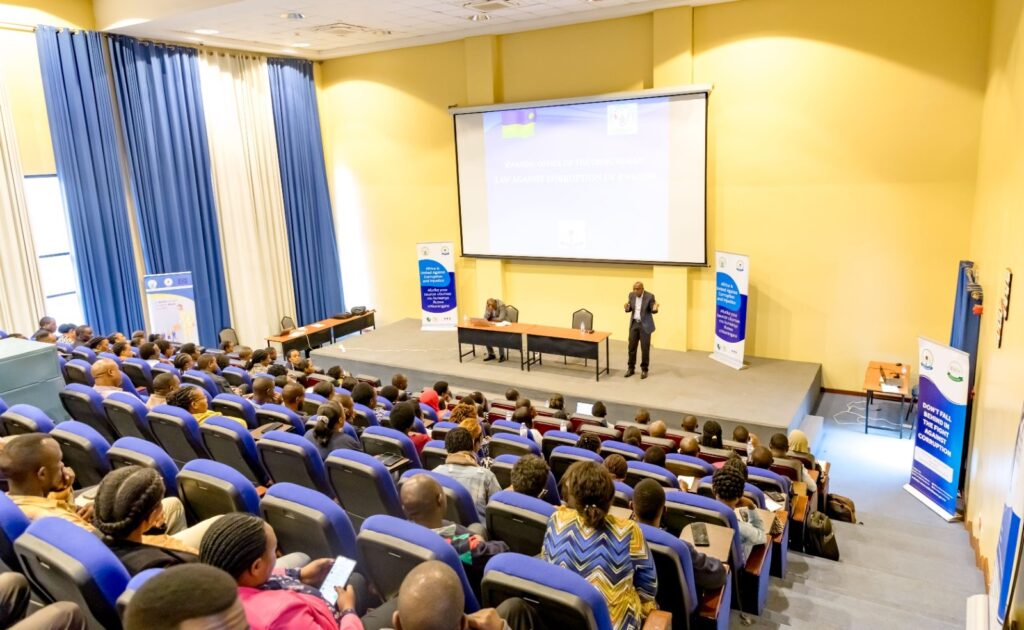
Despite these challenges, Rwanda’s strong anti-corruption framework continues to guide efforts to ensure that healthcare remains focused on patient care and free from exploitation. Deputy Ombudsman Mukama’s message was clear: “Fighting corruption is essential to building a fair, just society. It’s a shared responsibility that begins with you.”