

The morning sun casts a soft glow over the rolling maize fields in Musanze District. Farmer Gloriose Nyirabariha continues to spray her maize garden to keep away fall armyworms that have feasted previously on her field.
“I planted Hybrid 628 seeds, and at first, they looked strong,” she said, voice heavy with worry.
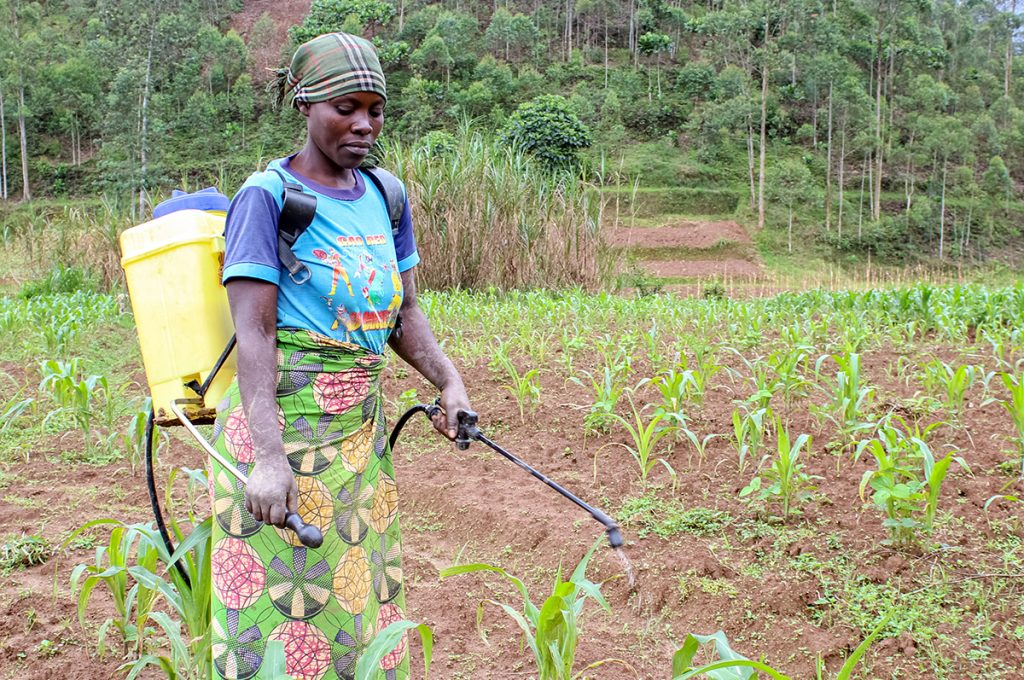
“But now am worried of armyworms to invade and eat the leaves. I spray pesticides, but they don’t seem to work so much anymore. I’m not feeling 100% hopeful about this harvest.”
Gloriose’s struggle is not unique. Since 2017, fall armyworms—tiny but voracious pests—have swept across Rwanda, leaving destruction in their wake. The pest first appeared in the Mushishito wetland in Nyamagabe District and quickly spread to infest over 17,500 hectares, nearly 40% of the country’s maize fields.
Maize, a lifeline for many smallholder farmers, is vital for food and income. “It’s heartbreaking,” said Evariste Tugirinshuti, president of the Rwanda Maize Farmer Cooperatives Federation. “Some farmers have lost up to 40% of their harvest. Those who can’t afford pesticides may lose everything.”
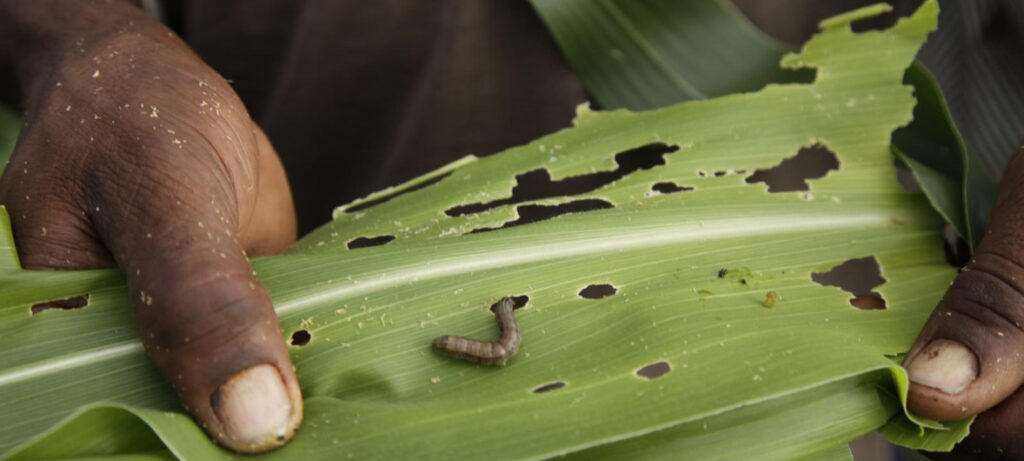
The challenge deepens as fall armyworms grow resistant to the pesticides farmers rely on. “We use three types, but they don’t always work, especially when infestations spread,” Tugirinshuti explained.
A New Hope: Biotech Maize
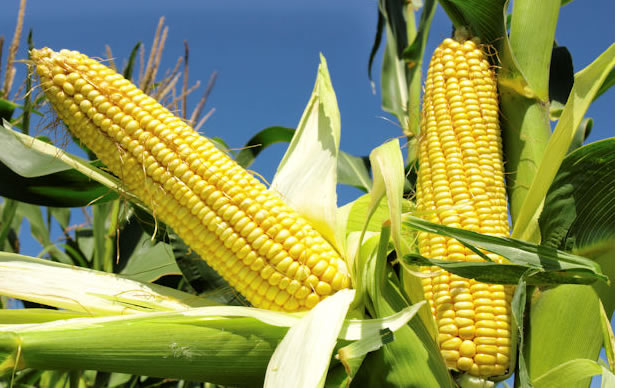
In response, Rwanda is embracing science. The government plans to pilot TELA maize, a genetically modified variety designed to withstand pests like fall armyworm and survive drought conditions.
“This pilot is about giving farmers a fighting chance,” said Athanase Nduwumuremyi, coordinator of the Open Forum on Agricultural Biotechnology in Africa (OFAB) Rwanda chapter.
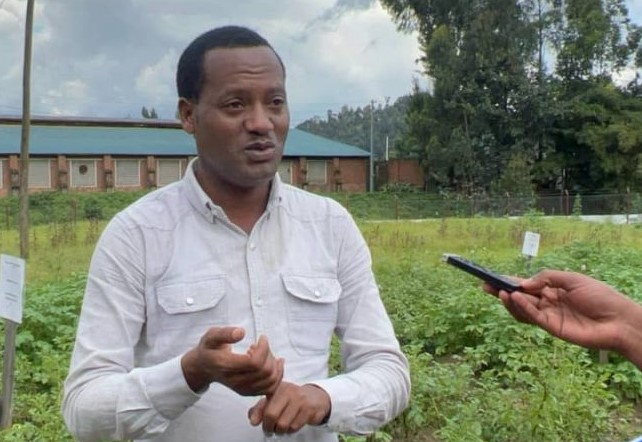
“We want to see if these seeds can protect crops while cutting down the need for harmful pesticides.”
Developed by the African Agricultural Technology Foundation, TELA maize has already proven successful in South Africa and Nigeria. Rwanda’s pilot program will fast-track access by skipping confined trials.
“This maize resists insects and harsh weather,” Nduwumuremyi said. “Farmers will spend less on pesticides and less time spraying.”
Farmers’ Voices
For farmers like Gloriose, TELA maize offers more than a new seed—it offers hope.
“When the armyworms come, it feels like watching your hard work disappear,” she said. “If these seeds can protect my crops without all the spraying, it will change my life.”
Byiringiro James shared his optimism. “I’ve seen the results, and I believe farmers here will switch from their old seeds to TELA maize. It’s our chance to farm better and provide for our families.”
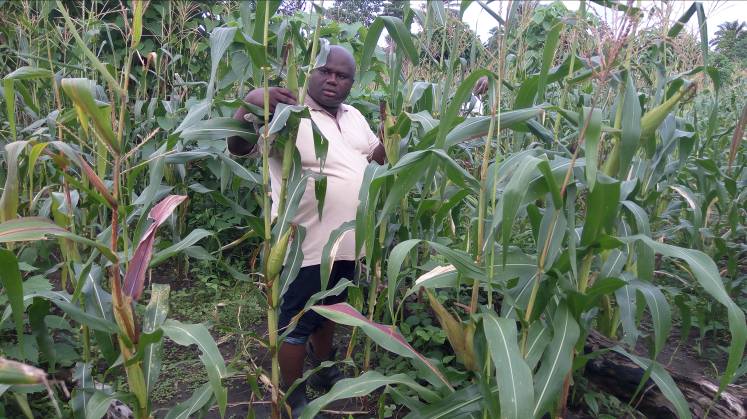
“Farming has been tough with drought and pests,” James added. “But with these seeds, we can plant every season without fear.”
Andrew, another farmer, welcomed the prospect of fewer pesticides. “Pesticides cost a lot and can be harmful. With TELA maize, we hope to save money and stay healthy.”
They believe higher yields will mean more money, allowing them to send their children to school and improve their lives.
Growing Hybrid Seed Use
TELA maize is part of a larger push toward hybrid seed adoption. Currently, 30% of Rwandan maize farmers use hybrid seeds, but that is expected to reach 50% by 2030.
Claver Ngaboyisonga, maize genetics expert at Rwanda’s Agriculture Board, said the country aims to produce nearly 875,000 tonnes of maize by 2029 — a sharp rise from 625,000 tonnes in 2024 and just 96,000 tonnes in 2006.
Plans call for distributing nearly 8,000 tonnes of hybrid maize seeds, bred for disease resistance, drought tolerance, and higher yields.
Rwanda has shifted from importing thousands of tonnes of seed each year to producing most domestically, making seeds more accessible and affordable.
Still, challenges remain. Farmers often face delayed seed delivery, forcing them to plant less effective varieties.
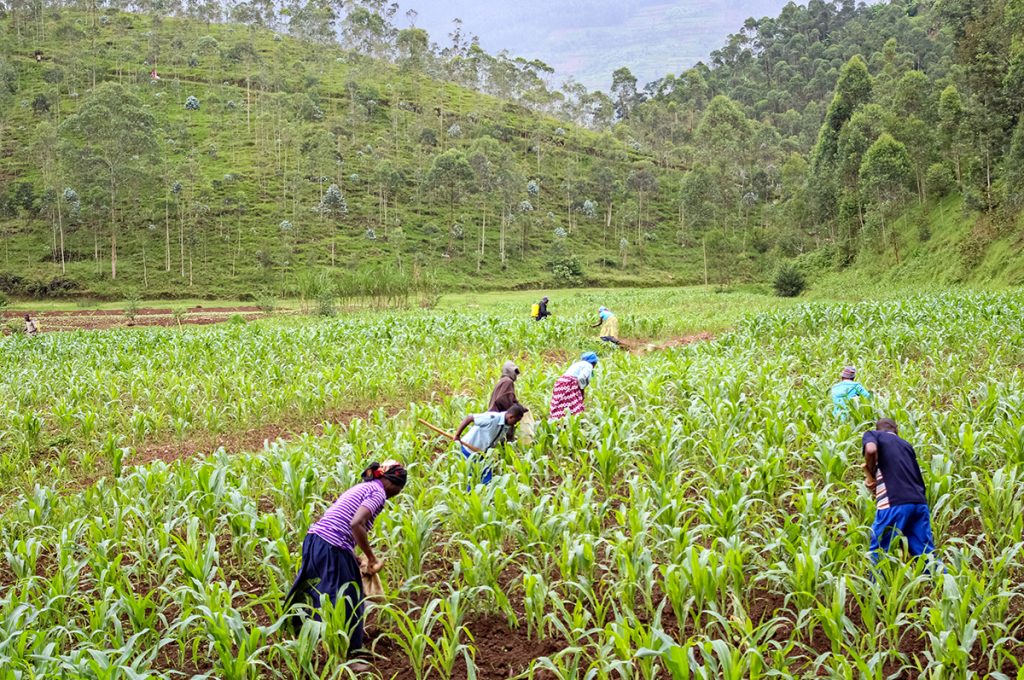
“We need seed suppliers closer to our farms,” urged Louis Nkundimana, a farmer from Rwamagana District.
Chantal Uwamahoro, a maize farmer from Gatsibo, pointed to soil pests known locally as Iminyorogoto, which have cut yields by up to 85% in recent years.
Experts like Abebe Menkir of the International Institute of Tropical Agriculture stress that hybrid maize is the fastest path to resilience.
“To grow adoption, Rwanda must focus on seeds suited to local conditions and invest in production and marketing,” Menkir said. He urged empowering local businesses to supply quality seed.
Rwanda passed a biosafety law in 2024 to regulate GM crops and ensure safety.
Agriculture Minister Mark Cyubahiro Bagabe reminded citizens that genetically modified foods have safely fed the world for decades.
Still, some remain cautious. OFAB Rwanda and the Agriculture Board have increased education efforts to address concerns and provide clear, accurate information.
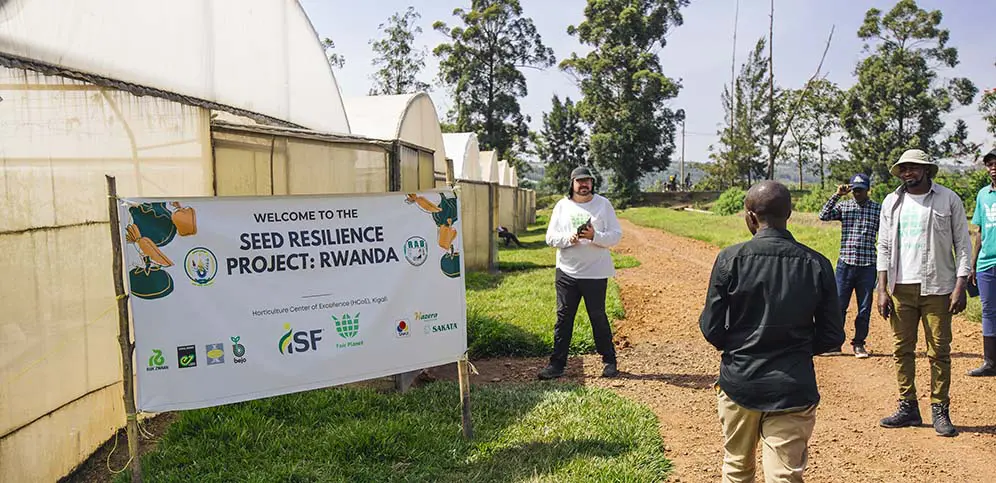
Rwanda’s biotech efforts mirror advances across Africa. Malawi is preparing to commercialize Bt maize by 2028, Ethiopia has launched Bt cotton and plans to release TELA maize, and Kenya recently lifted its GM crop ban.
Telesphore Ndabamenye, director general of Rwanda’s Agriculture Board, said, “We believe this technology will help farmers manage pests and drought, improving yields and livelihoods.”
For farmers like Gloriose, every season is a battle against unpredictable threats.
“If TELA maize protects my fields, it will help me feed my family and build a future,” she said, looking out over her land with renewed hope.