

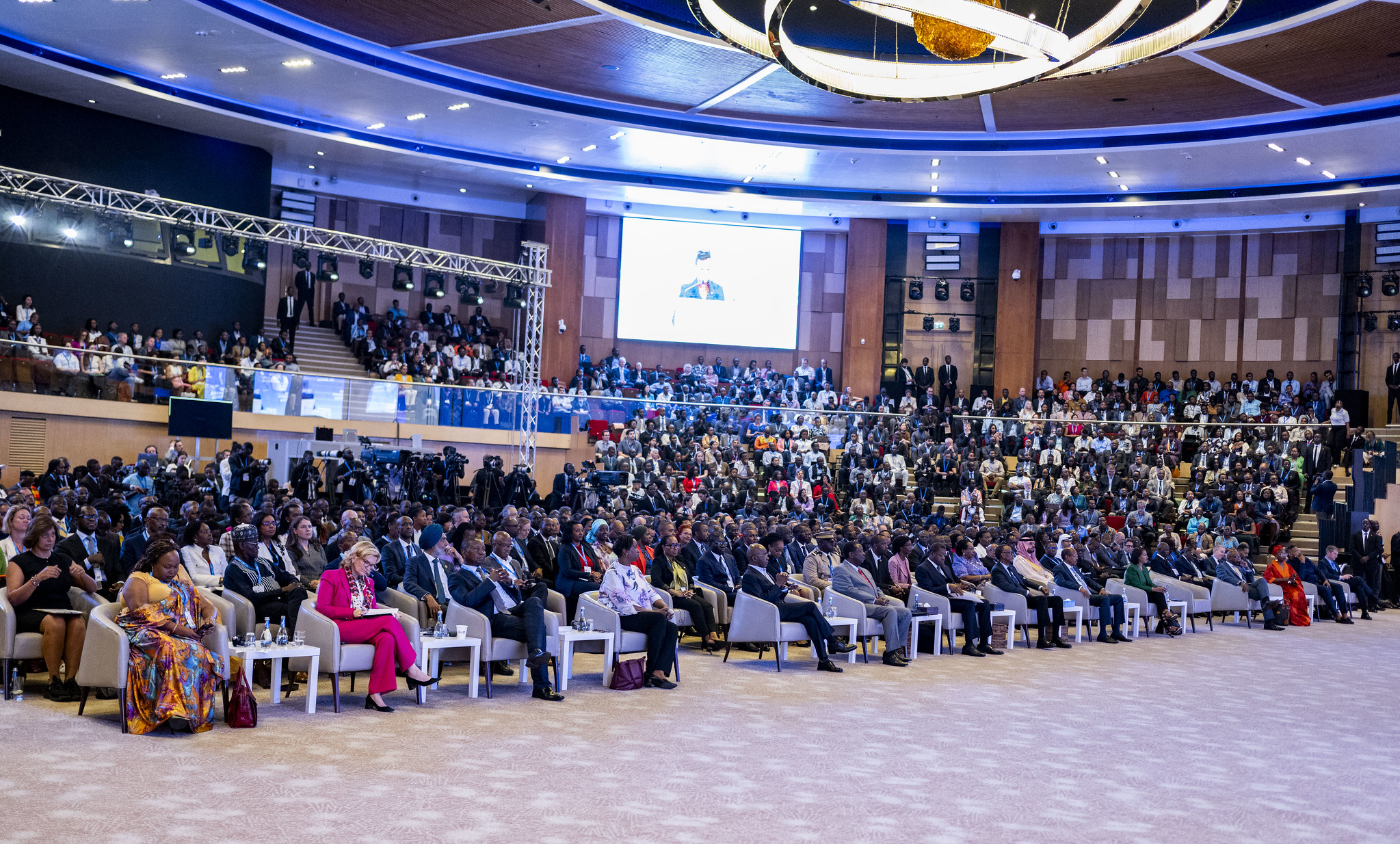
A $60 billion African artificial intelligence fund was announced in early April with much fanfare during the Global AI Summit in Kigali, but more than a month later, critical questions remain over how the ambitious initiative will be managed, funded and implemented.
The fund, backed by 52 African nations and launched with a communiqué at the summit’s close, aims to position the continent as a hub for responsible AI development. Yet, specifics on governance, stakeholder commitments, and the exact role of international partners remain scarce.
Details on how the fund will function are now expected at the Transform Africa Summit scheduled for July, also in Kigali. The event is organized annually by the Smart Africa Alliance, which serves as the region’s main digital policy coordination platform.
Still, some officials remain doubtful that concrete plans will be ready by then.
“There will be nothing concrete before the next African Union summit,” said an official from Senegal’s Ministry of Digital Affairs, citing a lack of transparency and progress on governance structures. However, a Moroccan government representative struck a more hopeful tone, noting that the fund had at least been costed, suggesting serious intent.
The African Union, in its AI strategy released in July 2024, had pledged to “mobilize regional and international development funds, alongside private and philanthropic investments” to establish a continent-wide AI financing mechanism.
Philanthropic backing could begin with the Bill & Melinda Gates Foundation. Microsoft founder Bill Gates participated in April’s summit as a patron, and his foundation has previously supported Smart Africa, raising speculation it could become one of the initial fund contributors.
State contributions are also being explored. “Imagine if every state pledged a billion dollars — this would exceed the initial estimate of $60 billion,” said a source close to the project, speaking on condition of anonymity.
OpenAI, the U.S.-based developer of ChatGPT, has not been involved in discussions to fund the project, a company representative confirmed.
Oversight of the fund is expected to fall under the newly created African Council for Artificial Intelligence. Announced shortly after the Paris AI Summit earlier this year, the council’s composition was initially due before April’s gathering in Kigali but is now expected to be finalized in July.
The advisory council will report to the Smart Africa Council of Ministers, which is accountable to the alliance’s governing board—comprising 40 presidents from Smart Africa member states and chaired by Rwandan President Paul Kagame.
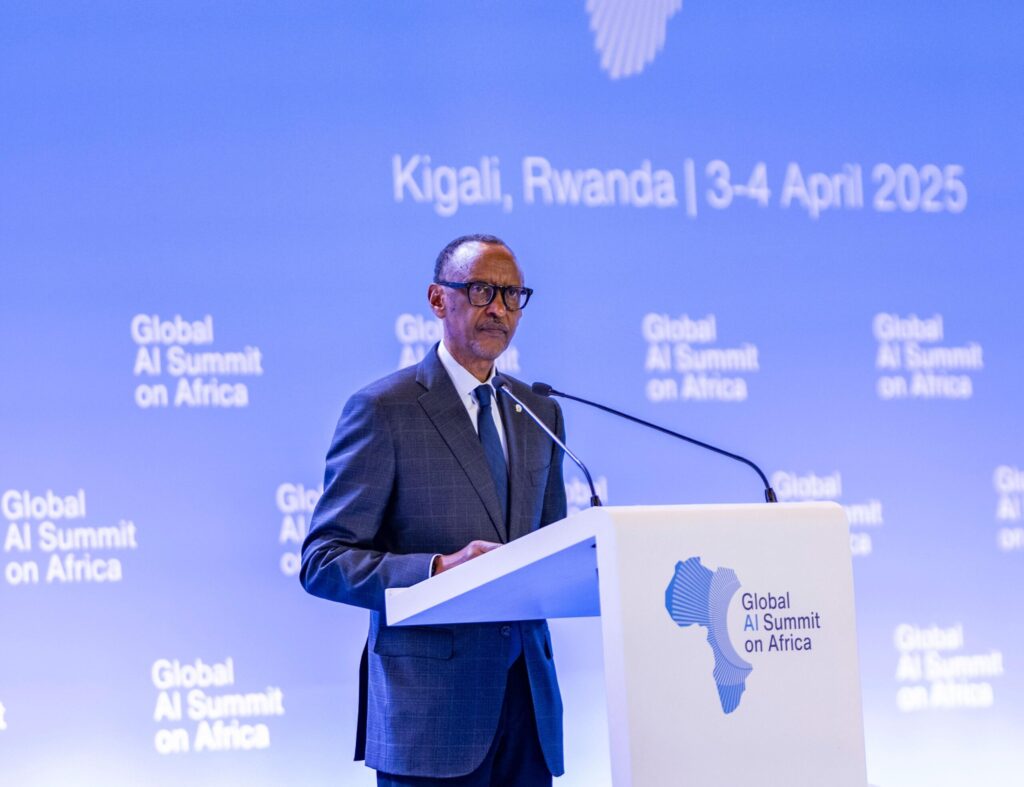
According to the communiqué from the Kigali summit, the fund will support a range of initiatives—from building human capital in AI to financing infrastructure and research. Its aims include fostering AI skills in youth, funding training programs at higher education institutions, and promoting public awareness of both the benefits and risks of AI technologies.
Another major area of investment is expected to be computing infrastructure. Africa, which contributes around 2–3% of global GDP, holds just 0.1% of the world’s installed GPU capacity—an imbalance that the fund aims to help correct.
Rather than directly disbursing project funds, the initiative is likely to operate as a “fund of funds,” enabling strategic investments into foundational technologies and ecosystems. One advisor said it could eventually support venture capital firms targeting African AI startups at the seed stage.
“It’s not about the amount of money; it’s more important to have a clear strategy for deploying financing to foster innovation and private sector AI development,” the advisor said.
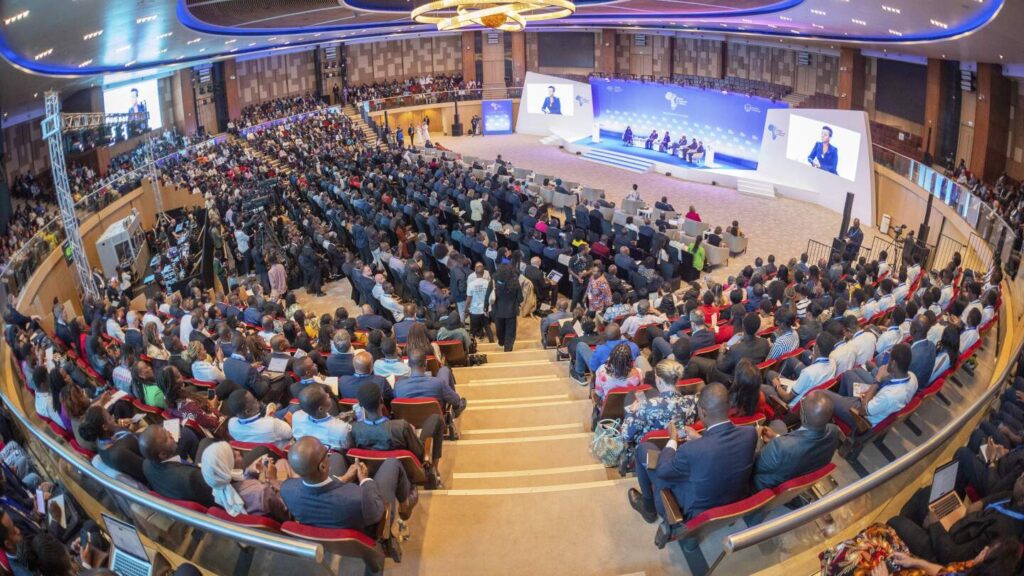
Still, the project’s scale has raised eyebrows amid comparisons to other recent AI funding initiatives that have yet to materialize. In January, the United States launched its $500 million “Stargate” project to build advanced AI-ready data centers. But a month later, the Financial Times reported the effort lacked both structure and committed funding.
Similar questions surround a $109 billion AI pledge made by France and the United Arab Emirates at the Paris AI Summit, where clarity on disbursement timelines and beneficiaries also remains elusive.
For now, Africa’s $60 billion AI fund remains a vision on paper—ambitious, potentially transformational, but still in search of the structures, commitments, and transparency needed to make it real.