

When 17-year-old Uwase from Ntarama sector, Bugesera district, first learned she was pregnant, she knew exactly what would follow. Her parents’ disappointment. Her school’s silence. Her community’s shame. “I felt like my life had ended,” she said. “I thought I would never go back to school or be accepted again.”
In Rwanda, her experience is far from unique. Last year, 22,454 girls under 20 became pregnant, a slight increase from 22,055 the previous year, each story marked by interrupted education, shrinking opportunities and a sudden transition into adult responsibilities. Fear and misinformation remain strong barriers to care. A 2025 study in Kigali found just 4% of teenagers had visited a youth-friendly corner in the previous year, citing judgment, lack of privacy and mistrust in institutions.
“The school offered no guidance beyond abstinence,” said Rosette Ingabire from Kanzenze, another young mother. “I feared the shame of speaking up.”
A Sanctuary Under the Trees
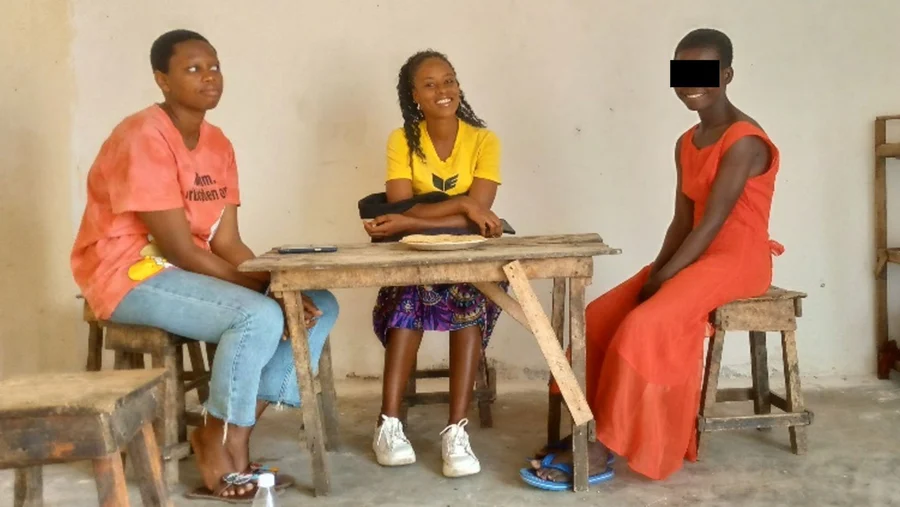
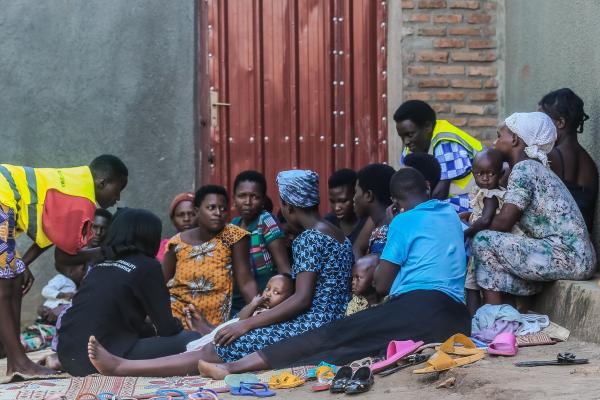
To bridge that gap, community Safe Spaces in Bugesera District offer a lifeline. The gatherings take place wherever young people feel comfortable, it can be under a tree, on a playground or in a neighbor’s yard. Each group brings together 30 to 40 adolescents led by “aunties,” married women in the community, and “elder sisters,” often former teen mothers who have lived through similar struggles.
“These gatherings have become a sanctuary for vulnerable young people,” said Alice, a Safe Space auntie who grew up in the district. “We meet them where they are literally and emotionally.”
For Alice, this work is deeply personal. Raised in a community where traditional expectations often limited girls’ futures, she saw early marriages, school dropout and gender-based violence shape the lives of her friends. “I grew up knowing I didn’t want to live under a patriarchal system forever,” she said. “Safe Spaces showed me I wasn’t alone.”
The initiative offers far more than conversation. Girls receive emotional support, financial literacy training and tools to rebuild relationships with their families. Some learn saving skills, others gain the confidence to return to school. Parents say the changes are visible.
“These meetings help girls open up about their challenges,” said Mukantwari Maria, a mother in Bugesera. “My daughter is more confident and determined to continue her education.”
A Story of Transformation
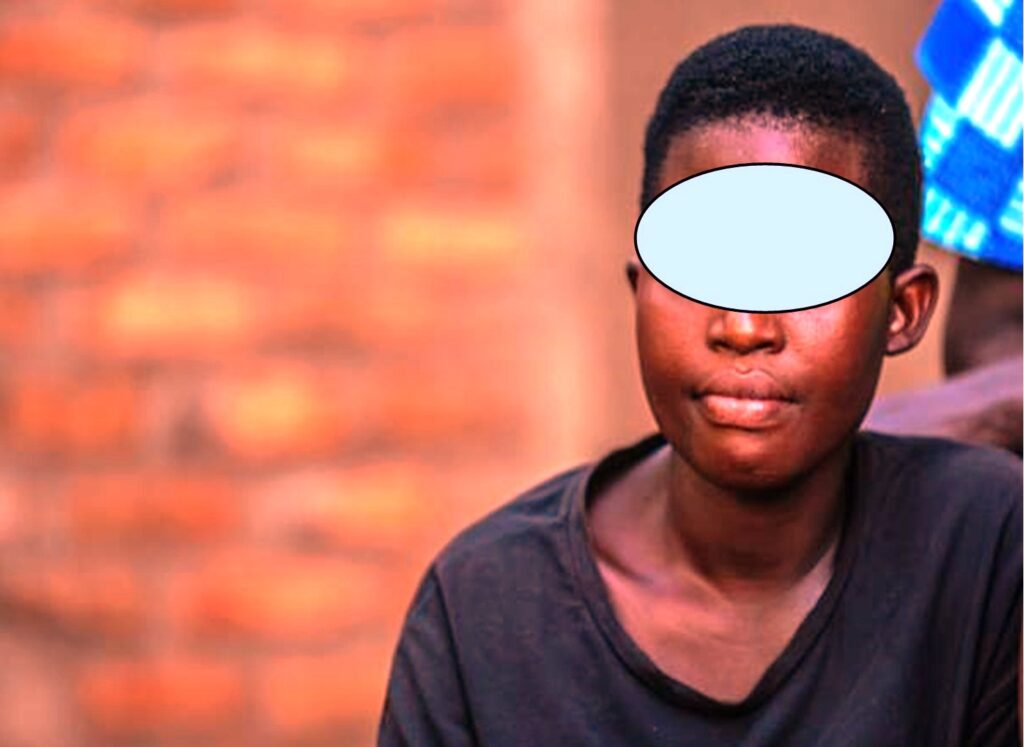
For Uwase, the support came just in time. After she was rejected at home, Safe Space members visited her, reassured her and connected her to services she didn’t know existed.
“They showed me I wasn’t alone,” she said. “I learned how to save small amounts of money, enough to start a small business to support me and my child.”
She also discovered youth-friendly corners at local health facilities with confidential rooms staffed by trained providers offering contraception, counseling, menstrual supplies and HIV testing. “Even without insurance, I could get help,” she said. “I wish I had known earlier.”
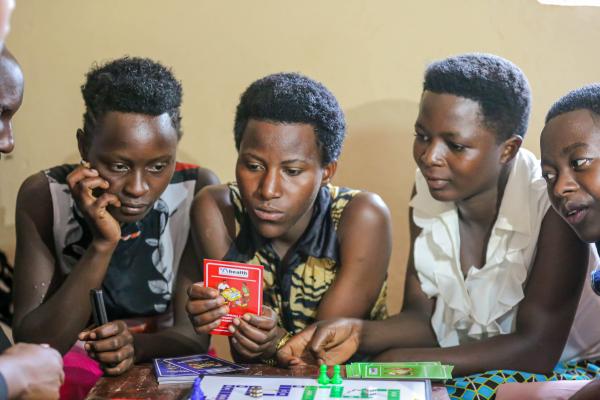
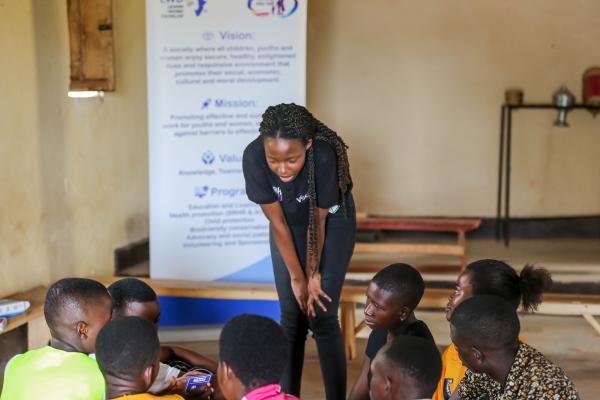
Interactive manuals and cards developed under the Make Way program help teens learn about menstruation, consent and contraceptive use in engaging, judgment-free ways. Community Health Worker Maria said the materials have changed how young people understand their bodies. “When young people truly understand what’s happening in their bodies, they stop feeling shame and start feeling power,” she said.
Youth Leading the Change
Safe Spaces operate alongside youth-led SRHR clubs, peer mentors and school-based educators who fill critical information gaps. UNFPA Rwanda’s Healthy and Empowered Youth Project has established similar spaces across districts and refugee camps, directly empowering more than 296,000 young people and reaching over 846,000 with life-skills education.
Teachers say the difference is clear in classrooms. “Students are asking questions they would never have asked before,” said Emmanuel Mulisa, a teacher at Groupe Scolaire Ntarama. “They share what they learn with peers and families.”
In Bugesera, community and school clubs supported by Plan International Rwanda helped reduce reported teenage pregnancies by 50% — from more than 800 cases to 518 within six months. “These clubs have contributed to a remarkable decrease,” said Karenzi Joseph, a child protection advisor in the district.
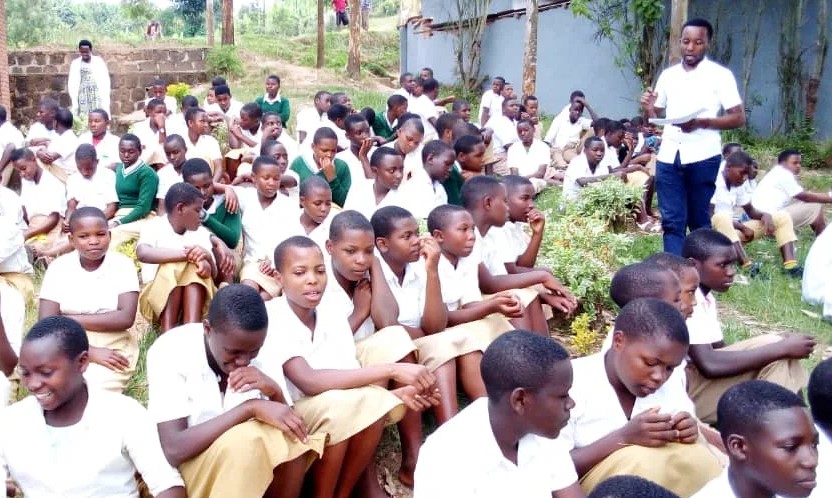
Community feedback confirms results. A Emmanuel Mulisa teacher at Groupe Scolaire Ntarama Bugesera District said, “Students are asking questions they would never have asked before. They share what they learn with peers and families.”
In the district, community and school clubs supported by Plan International Rwanda helped reduce teenage pregnancies by 50 percent from more than 800 to 518 in six months. “These clubs have contributed to a remarkable decrease in teenage pregnancies,” said Karenzi Joseph a local child protection advisor.
Policy Shifts Expand Access
Nationwide reforms are reinforcing community-led progress. In August 2025, Parliament passed a law allowing adolescents 15 and older to access family planning and other sexual and reproductive health services without parental consent.
More than 120 youth-friendly corners now offer confidential counseling, contraception, menstrual health support and STI testing. In UNFPA-supported districts, 33 of 61 health centers meet national standards for youth-friendly services.
“For the first time, I could access contraception safely and privately,” said Mutoni Kellia, a student in Bugesera. “I feel more in control of my future.”
Challenges Ahead
Many adolescents particularly those out of school still remain unreached. Male participation in Safe Spaces is low, and stigma continues to silence conversations around sexuality, pregnancy and gender norms.
“We must support these young people continuously,” said Regis Musoni, a community official in Ntarama Sector. “If we ignore them, progress could reverse.”
Still, momentum is building. Adolescents make up more than a quarter of Rwanda’s population, and youth-centered solutions are offering them autonomy, dignity and informed choices.
For Uwase, Safe Spaces changed the trajectory of her life. She plans to return to school next year and hopes to one day mentor girls who face the same barriers she once struggled through.
“Safe Spaces gave me hope when I had none,” she said. “Now I know that my story doesn’t end with becoming a mother. I have choices again.”