

In the face of drought, erratic rains, and destructive pests, smallholder farmers embrace a new five-year biotechnology program offering pest and disease resistant maize, cassava, and potato varieties bringing hope for stronger harvests and food security.
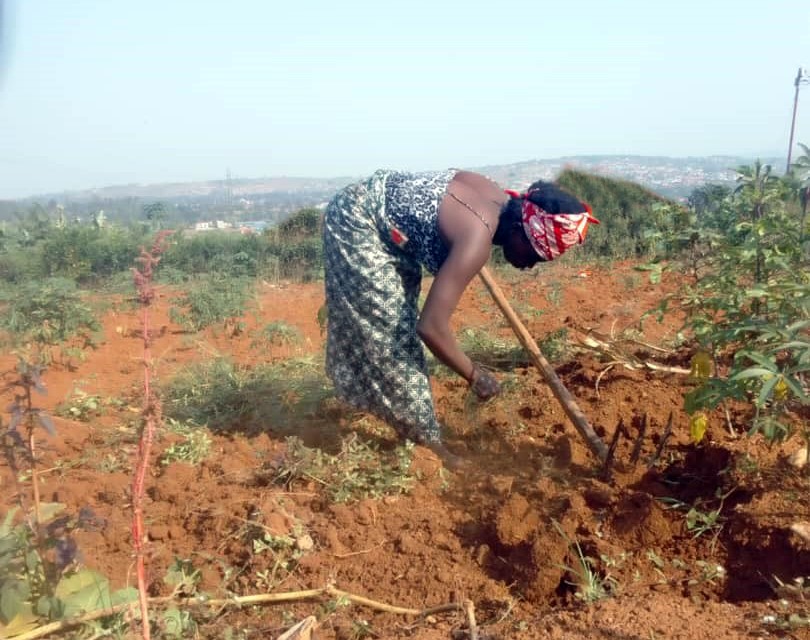
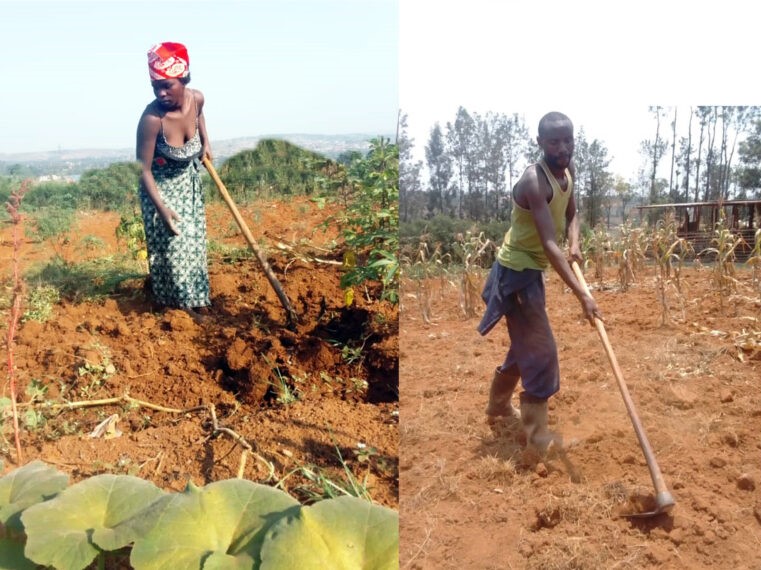
For Innocent Manirareba, a 48-year-old maize farmer in Ntarama Sector, Bugesera District, farming has always been a gamble. His 5-hectare plot wrestles with some maize stalk borer locally known as Nkongwa and unpredictable rains that parch the soil before crops can mature.
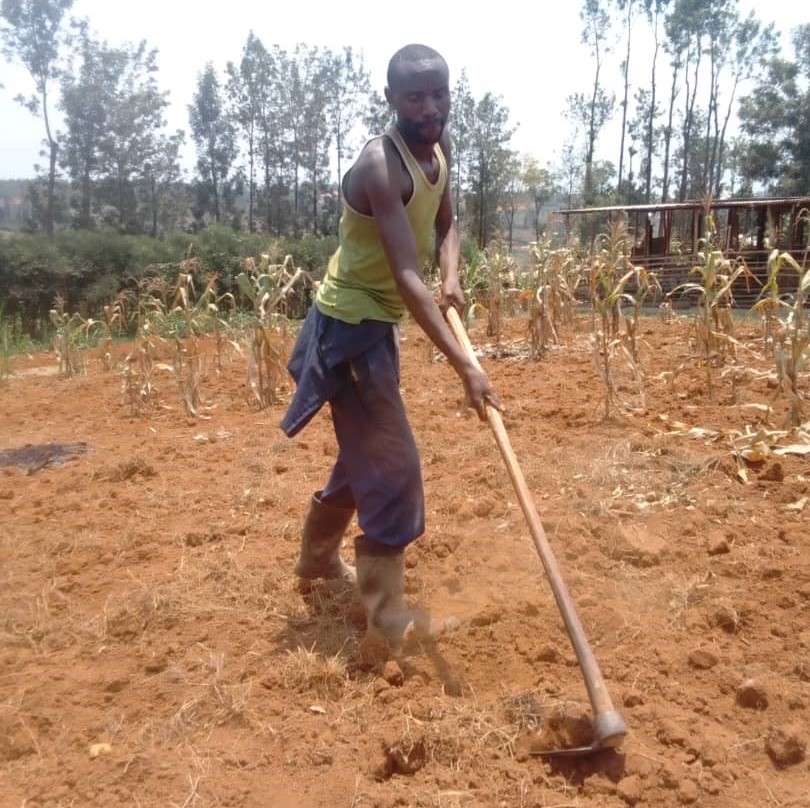
“Men and Women are playing a vital role in agriculture,” Manirareba says, his hands clutching a hoe on the cracked earth. “But pests and dry spells destroy our crops every year. If we could access genetically modified seeds, we could farm successfully each season.”
Manirareba’s struggle mirrors that of thousands like Claudina Umutoni and others across Rwanda’s Eastern Province, where drought, erratic rainfall, and pest infestations threaten staple crops like maize, cassava and beans. In Kayonza District alone, over 24,000 hectares of farmland have been abandoned due to prolonged dry spells.
Climate Challenges in Rwanda
Rwanda recorded 2024 as the hottest year, with temperatures 1.1 degrees Celsius higher than those before the industrial revolution (based on the 1850-1900 average), Rwanda Meteorology Agency announced in January 2024.This was a 0.3 degree increase from 2021, the second hottest year on record, when the meteorology agency reported 0.8 degrees Celsius higher than pre-industrial revolution levels.
Aimable Gahigi, the director general of the weather agency, said that as a result of rising temperatures “rainy seasons are becoming shorter and more intense.”
Evariste Tugirinshuti, President of the Rwanda Maize Farmer Cooperatives Federation, says growing maize when rains are minimal is impossible.
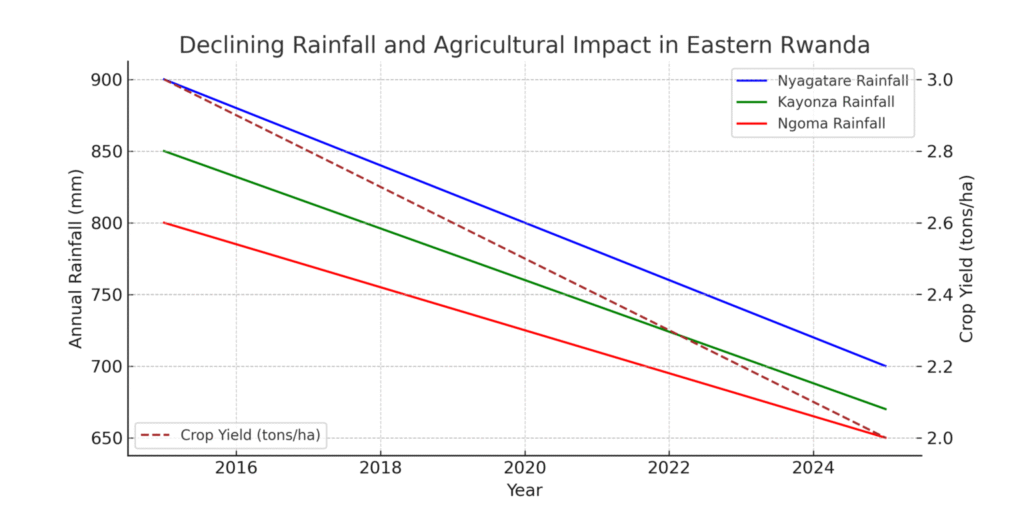
“Farmers were supposed to finish planting maize seeds by September 30. However, at that time, there was no rain in some parts of the country.
While rainfall began in October, only 40% of farmers in certain areas were able to plant. At this stage, it is no longer viable to plant maize, so we are shifting to short-cycle crops like sweet potatoes and beans.”
Tugirinshuti added that many farmers are already experiencing losses, having invested in seeds, fertilisers, labour, and other inputs, only to see their crops fail due to the lack of rain.
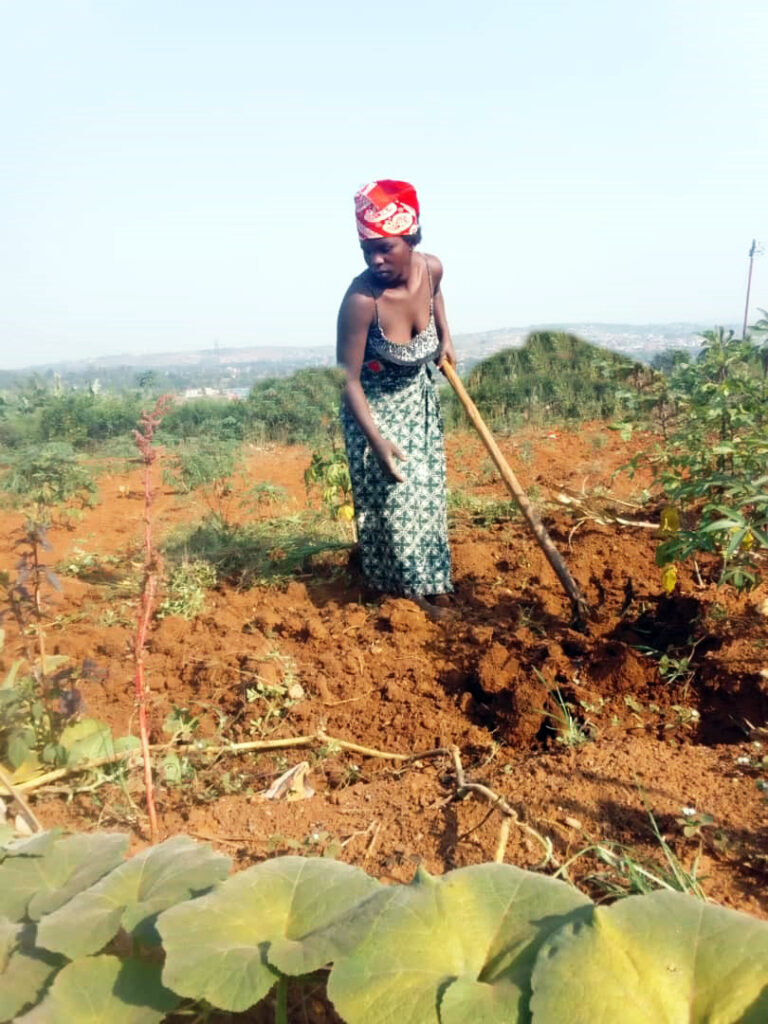
“Before, we could predict the seasons,” says Claudina. “Now, nothing is certain. Our harvests are far below average.”
The Promise of Biotechnology
Rwanda is actively working to introduce genetically engineered crops that can withstand pests, diseases, and drought. In October 2024, the government launched the Rwanda Agricultural Biotechnology Program, a five-year initiative aiming to develop pest- and disease-resistant maize, cassava, and potato varieties. The program is a collaboration between the Rwanda Agriculture and Animal Resources Development Board (RAB), the African Agricultural Technology Foundation (AATF), and other partners.
While the program is underway, biotech maize is not yet widely available. Reports suggest that the widespread rollout is expected after 2025. Even so, the initiative reflects a strategic move toward improving productivity, food security, and reducing dependence on imported maize.
“GMO maize varieties, especially Bt maize, resist stem borer and fall armyworm,” explains Dr. Athanase Nduwumuremyi, senior research fellow at RAB. “These seeds can withstand climate extremes, ensuring food security and sustainable production once fully deployed.”
Policy and Regulatory Framework
Rwanda’s Biosafety Law, enacted in February 2024, regulates the safe use of genetically modified organisms, protecting human health and the environment. REMA, RAB, and the Rwanda Food and Drug Authority oversee implementation. The law ensures that any biotechnology introduced into Rwanda meets safety standards and environmental requirements.
Dr. Telesphore Ndabamenye, Director General of RAB, emphasizes, “To secure Rwanda’s food supply, we must adopt modern agricultural solutions, including GM crops. They can resist pests, withstand drought, and increase productivity.” 
Programs like the Crop Intensification Program (CIP) and Transforming Eastern Province through Adaptation (TREPA) complement the biotechnology initiative, providing farmers with drought-resistant seeds, irrigation technologies, and climate-smart agricultural training.
Global Evidence Supports Biotech Adoption
International experience highlights the benefits of biotechnology. In South Africa, GM maize has added 4.6 million annual rations, while studies indicate yield increases of up to 22% and profit gains of 68% for farmers using GM crops. Reduced losses from pests and lower chemical usage make GM crops particularly valuable in developing countries.
“Adopting GM crops can cut losses from pests, reduce chemical use, and increase productivity,” says Dr. Nduwumuremyi. “For Rwanda, it’s a chance to improve food security and farmers’ livelihoods.”
The Open Forum on Agricultural Biotechnology (OFAB), launched in Rwanda by the African Agricultural Technology Foundation (AATF), is promoting awareness, training, and knowledge sharing on agricultural biotechnology. It connects farmers, scientists, and policymakers to scale innovative solutions.
Turikumwenayo Jean Pierre an Agribusiness specialist with a passion for empowering farmers and rural communities through innovative agricultural solutions notes, “Biotechnology is already improving breeding, rapid multiplication of plant material, and disease management. With informed adoption, it can significantly enhance agricultural productivity and resilience.”
As Eastern Rwanda faces climate change, pest infestations, and food insecurity, biotechnology and climate-smart practices offer hope. GM crops, tissue culture programs, and sustainable irrigation systems can boost productivity, reduce losses, and strengthen livelihoods.
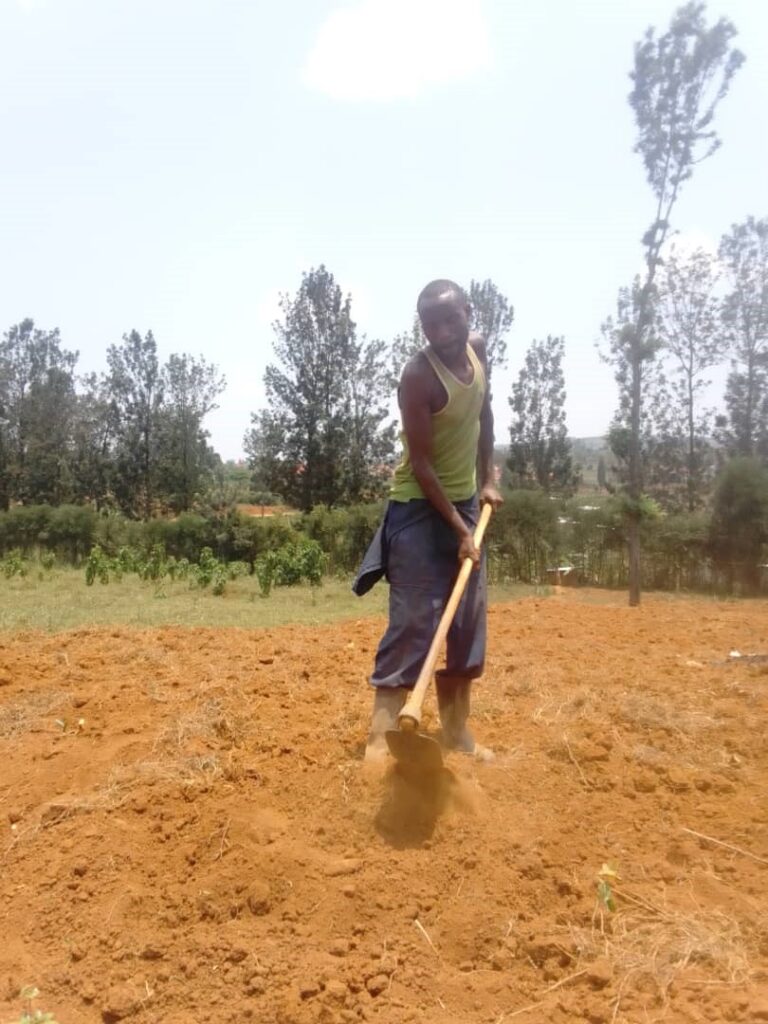
For farmers like Manirareba and Claudine the promise is deeply personal: “With improved seeds, we can finally farm confidently, even in difficult seasons. It’s about feeding our families and building stronger communities.”