

When floods swept through Rubavu District in May 2023, they left more than 130 people dead and thousands homeless. In the Eastern Province, prolonged droughts have pushed farmers to the brink, with failed harvests threatening food supplies for entire communities. 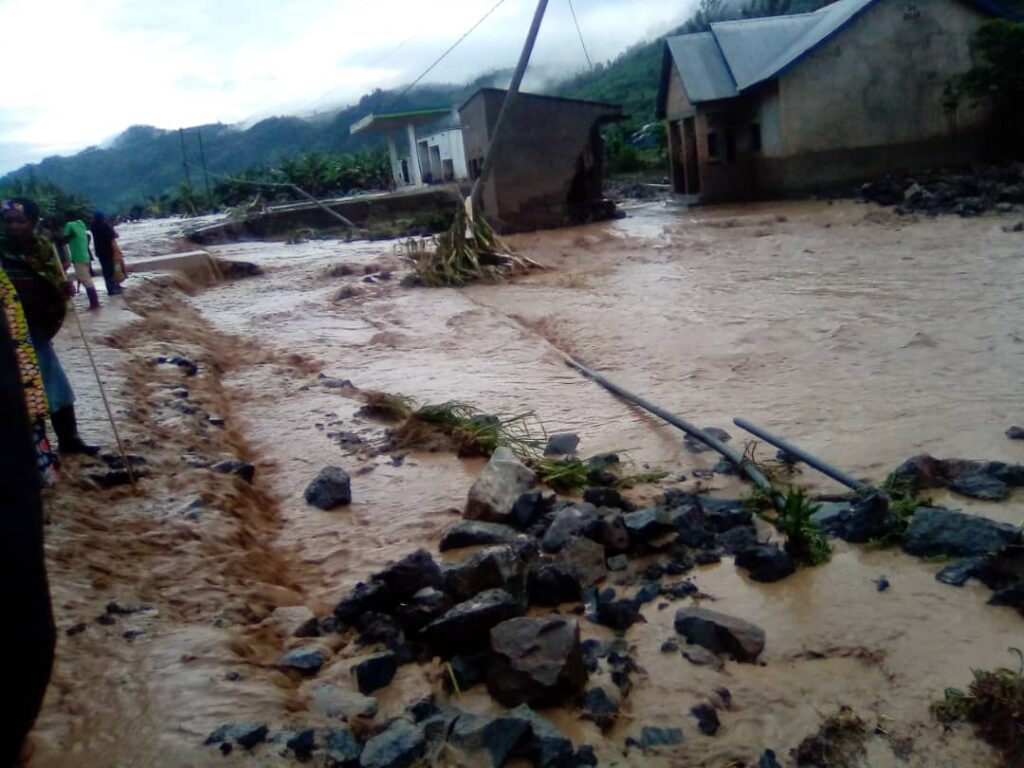
But behind these disasters lies a more silent, long-term crisis at the growing threat of climate change to children’s health.
For many Rwandans, climate change feels like unpredictable rains, rising heat or failing crops. But the real cost, experts warn, is being paid in hospitals and homes where malnutrition, waterborne illnesses and respiratory issues are on the rise — especially among the country’s youngest and most vulnerable.
“Climate change is not just an environmental issue. It’s a public health emergency,” said Dr. Claudine Uwera, an environmental policy expert based in Kigali. “And children are paying the highest price.”
Climate-related disasters in Rwanda have affected more than one million people between 1980 and 2017, damaging over 15,000 hectares of farmland and destroying more than 23,000 homes, according to data from the United Nations Environment Programme.
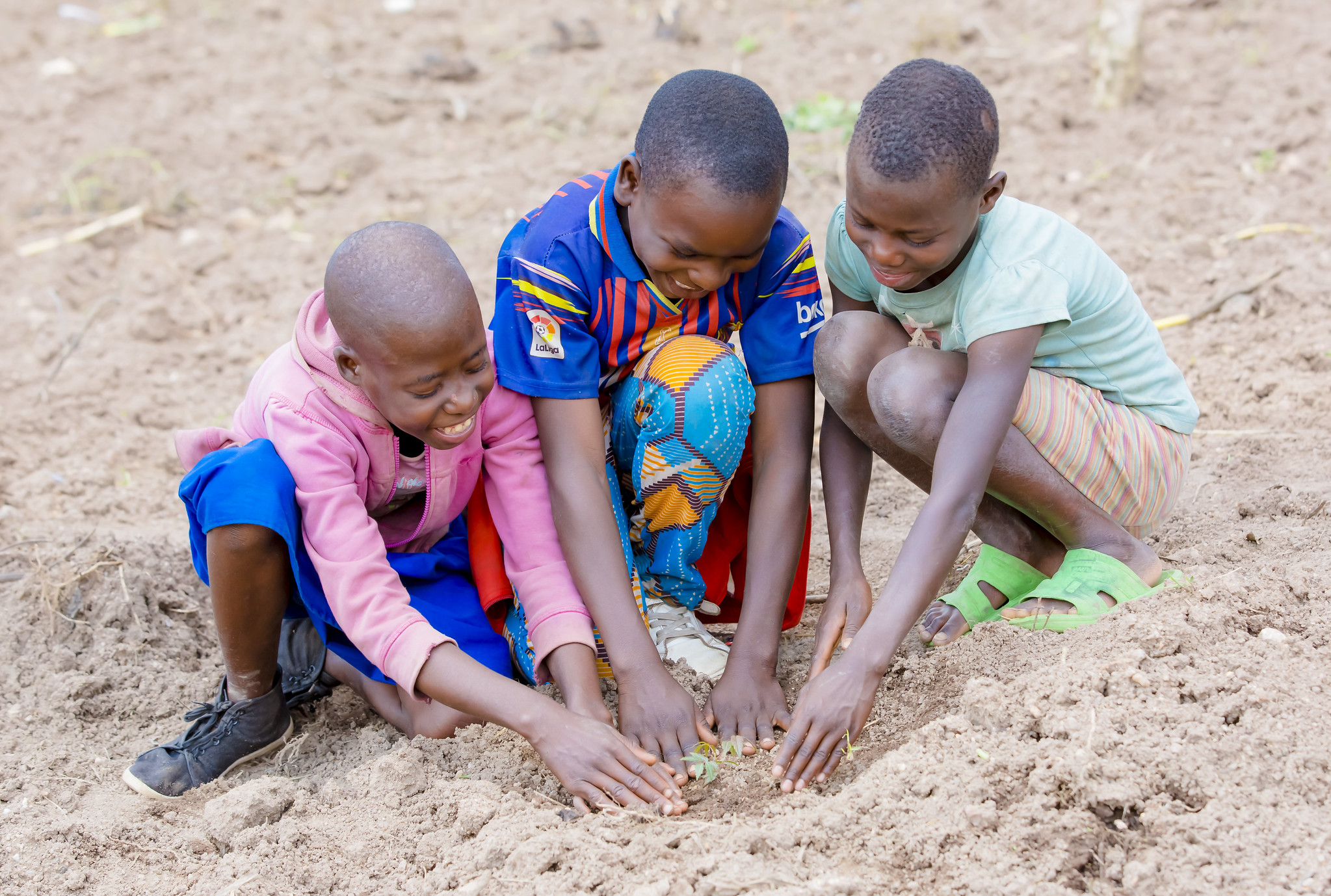
These events routinely disrupt access to health services and food, disproportionately impacting children. Thirty percent of Rwandan children under age 5 are stunted due to chronic malnutrition, according to UNICEF. Experts say changing rainfall patterns and rising temperatures are worsening the situation.
A 2020 report published in the Rwanda Journal of Medicine and Health Sciences found that 28% of neonatal deaths in the country could be attributed to climate-related factors, including poor air quality and reduced access to maternal care during severe weather events.
As climate patterns shift, diseases like malaria once confined to lowland areas are appearing in Rwanda’s highlands. Mosquito populations are thriving in new regions, increasing the risk of outbreaks in communities that are less prepared.
Additionally, air pollution from burning biomass and rising heat levels are straining the immune systems of children and increasing the frequency of respiratory diseases.
“The link between climate and health can no longer be ignored,” said Dr. Jean Bosco Nsengimana, a pediatrician in Musanze. “We’re seeing children suffer more during heatwaves, experience poor nutrition due to crop failures, and fall ill from waterborne diseases after floods.”
Rwanda has positioned itself as a leader in environmental sustainability. The government has banned plastic bags, invested in reforestation, and launched green initiatives like the Green Gicumbi Project, which supports climate-smart agriculture, watershed protection and green settlements.
In its updated Nationally Determined Contributions (NDCs), Rwanda committed to reducing its greenhouse gas emissions by 38% by 2030, with a focus on adaptation efforts that include health and food systems.
Yet, climate experts say more targeted investments are needed — particularly in health care systems and child protection programs.
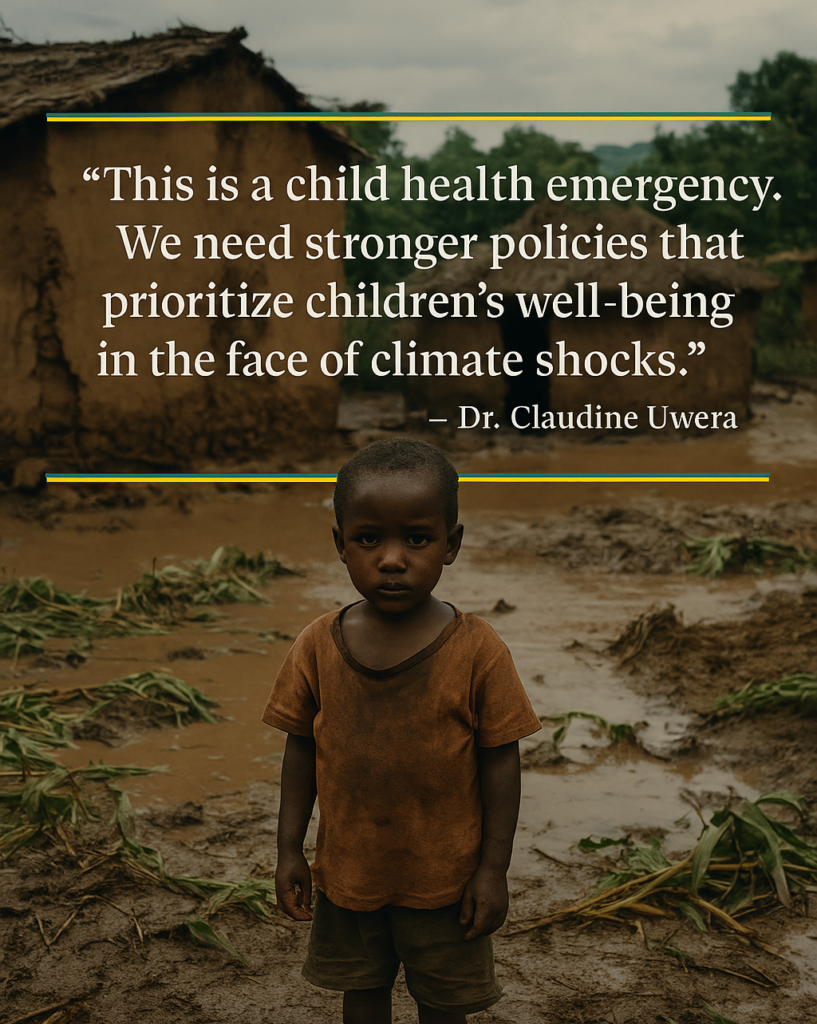
“This is a child health emergency,” said Uwera. “We need stronger policies that prioritize children’s well-being in the face of climate shocks.”
The World Health Organization estimates that climate change could cause an additional 250,000 deaths each year between 2030 and 2050, primarily from malnutrition, diarrhea, heat stress and diseases like malaria. Most of those deaths will occur in vulnerable populations — including children under 5.
Rwanda, which aspires to become a climate-resilient, middle-income economy under its Vision 2050 blueprint, must prioritize the health of its youngest citizens. That means integrating climate action with health policy, investing in community health systems, and preparing for the inevitable challenges that a warming planet brings.
“The climate crisis is already here,” said Nsengimana. “Our response today will determine the health of the next generation.”