

In a significant move to combat water scarcity and preserve vital ecosystems, the Rwandan government has committed to conserving nearly 1,000 wetlands across the country.
This ambitious initiative includes the restoration of wetlands that have been severely degraded by human activities, aiming to ensure a stable water supply for communities and industries alike.
The government’s commitment comes in response to alarming findings in the State of Africa’s Environment 2024 report by the Centre for Science and Environment (CSE), which highlights the growing water crisis across the continent. Both urban and rural areas are facing severe water shortages, largely due to poor water resource management. Rwanda, which has long relied on its wetlands for clean water, is taking proactive steps to address these challenges.
Faustin Munyazikwiye, Deputy Director General of the Rwanda Environment Management Authority (REMA), spoke about the critical role wetlands play in water management. He shared a key lesson from Rwanda’s past: in the early 2000s, the destruction of the Rugezi wetland, which feeds into the country’s major hydropower plants, led to a severe electricity shortage. “In 2001/2002, Rwanda faced an electricity crisis that saw us relying on costly diesel generators. The root cause was the destruction of the Rugezi wetland, which supplies water to the hydropower plants,” Munyazikwiye explained.
This degradation caused water levels in nearby lakes to plummet by 50%, resulting in daily costs of over $65,000 for diesel to meet the energy shortfall. “It was a significant setback to our renewable energy goals,” Munyazikwiye added. Since then, the government has worked tirelessly to restore the Rugezi wetland, officially designating it as a Ramsar site in 2005 and investing in its rehabilitation from 2006 to 2010.
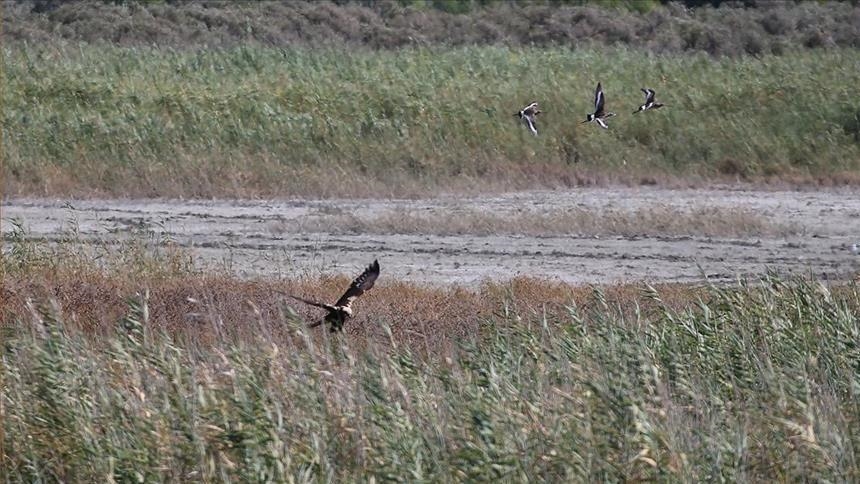
Today, the government is expanding its wetland conservation efforts nationwide. A recent survey identified over 940 wetlands in need of protection. These wetlands play a vital role in preventing flooding, filtering water, and storing it for agriculture, drinking, and other uses. Munyazikwiye emphasized the importance of maintaining buffer zones around wetlands to prevent encroachment and ensure their long-term sustainability.
As part of this nationwide effort, the government has prioritized the rehabilitation of five key wetlands in Kigali over the next 18 months. These include Rwampara, Gikondo, Nyabugogo, Kibumba, and the Rugenge-Rwintare Wetland System. These wetlands are crucial for mitigating flooding risks and securing water supplies for the more than 220,000 people living in these areas.
The push to conserve and restore wetlands is also critical in light of Africa’s broader water crisis. According to the State of Africa’s Environment 2024 report, Africa has some of the highest death rates due to unsafe water, with 50 deaths per 100,000 people. The report also warns that by 2050, nearly 36% of the world’s cities will face water shortages, with Africa being hit hardest.
Munyazikwiye stressed that the failure to protect wetlands would exacerbate both water scarcity and the risk of flooding. “Without proper management, the pressure on our water resources will continue to grow, affecting our development goals and the well-being of our people,” he said.
As Rwanda’s urban population grows and the demand for water increases, these wetlands are more important than ever. Their protection is not only essential for securing water resources but also for achieving the country’s sustainable development goals related to clean water, sanitation, and resilient cities.
This bold initiative represents Rwanda’s determination to safeguard its natural resources, ensuring that future generations have access to the clean water they need to thrive.