

A delegation from the UN World Food Programme (WFP) Executive Board recently wrapped up a visit to Rwanda, where they observed how the world’s largest humanitarian organization is aiding refugees, asylum seekers, and contributing to the country’s development goals. Through capacity-building initiatives and programs focused on sustainable and climate-resilient food systems, WFP is playing a vital role in Rwanda’s progress.
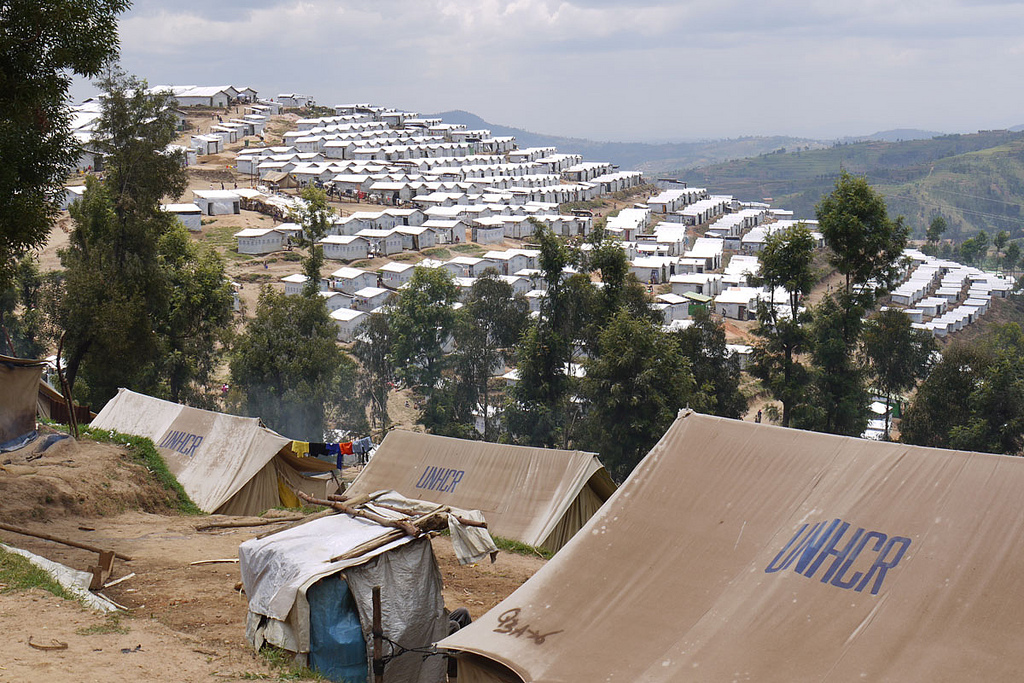
In southern Rwanda, the delegation visited the Kigeme refugee camp, one of five camps where WFP supports 15,000 of the 135,000 refugees hosted in the country. At Kigeme, WFP provides food assistance to vulnerable individuals in the form of both food and cash, while also working on livelihood-strengthening activities, such as mushroom farming.
“WFP supports refugees, partners with smallholder farmers to promote sustainable food systems, and invests in Rwanda’s future through home-grown school feeding,” said Andrea Bagnoli, WFP’s Country Director in Rwanda. “It’s a privilege to accompany the Executive Board and witness WFP’s shared journey with the people of Rwanda toward achieving food security and sustainability.”
The delegation also visited the Mushishito Marshland, where the KODUMU Cooperative – a group made up of both Rwandans and refugees – grows maize, potatoes, beans, and vegetables on reclaimed land. WFP is helping the cooperative through training in agricultural practices, post-harvest management, and providing market connections with local schools.
“It’s impressive to see how crucial inclusion and participation are for the success of projects and sound policies,” said Andreas von Brandt, Ambassador and Permanent Representative of Germany to the United Nations in Rome, who led the delegation. “This is evident in joint farming initiatives between host communities and refugees in Mushishito, and in involving parents in school feeding programs.”
Rwanda’s Government has recently approved its second National Strategy for Transformation (NST2), which aims to achieve middle-income status by 2035 and high-income status by 2050 under the Vision 2050 initiative. WFP is helping to support these goals through its life-saving and transformative programs.
“The Government’s efforts to foster collaboration with development partners in Rwanda are impressive, as is the resilience and commitment of the Rwandan people to the country’s progress,” said Rukia Yacoub, WFP’s Deputy Regional Director for Eastern Africa.
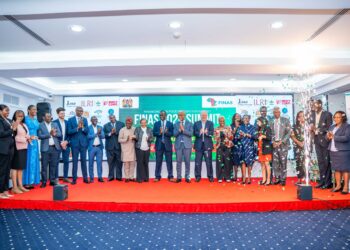
The Executive Board delegation visiting Rwanda included representatives from Chile, Ethiopia, Finland, France, Germany, Indonesia, and Poland.