

Rwanda’s project to restore the Congo-Nile Ridge has reached 20 percent completion, officials said Thursday, a milestone expected to boost agriculture, conserve water, and reduce environmental pollution.
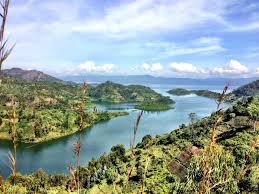
The Congo-Nile Divide (CND) project spans 10 districts in western and southern Rwanda, including Musanze, Nyabihu, Rubavu, Ngororero, Rutsiro, Karongi, Nyamasheke, Rusizi, Nyamagabe, and Nyaruguru. The ridge, a chain of hills separating the Nile and Congo River watersheds, has suffered from erosion and wildfires in recent years.
“Many farms in the highlands were lost due to severe soil erosion,” said Jean Claude Ngendambizi, a worker managing tree seedlings, who earns 4,000 RWF ($3.80) per day. “This project has made it easier to pay for health insurance, school fees, and savings programs.”
Planned interventions include planting primarily indigenous trees, creating contour terraces, protecting riverbanks, and restoring 1,500 hectares in Nyungwe National Park and 500 hectares in Gishwati-Mukura National Park.
Dr. Emmanuel Rukundo, director-general of the Rwanda Water Resources Board, said erosion from the degraded ridge contaminates rivers and increases the cost of water treatment and hydropower generation. “Water is life. Polluted water spreads disease and damages infrastructure,” he said.
Dr. Concorde Nsengumuremyi, director-general of the Rwanda Forestry Authority, said indigenous trees are prioritized because they resist disease, tolerate climate change, filter polluted air, and provide habitats for wildlife, including butterflies and birds. “We also plan to restore 1,000 hectares of degraded land and construct terraces in Karongi and Rutsiro,” he said.
Launched in 2024, the project is scheduled to be completed in 2028 with an estimated cost of more than 66 billion RWF ($63 million). Officials say the early progress gives confidence that the initiative will meet its environmental and economic goals.