


In a pivotal move to strengthen Rwanda’s economy, the Cabinet, led by President Paul Kagame, met on Monday, February 10, 2025, to approve several important tax reforms.
The new measures include increases in taxes on beer and tobacco, as well as the introduction of taxes on profits from mobile phones and other tech devices. Additionally, digital services like Netflix and Amazon will now be subject to tax, marking a significant shift in Rwanda’s approach to technology-based industries.
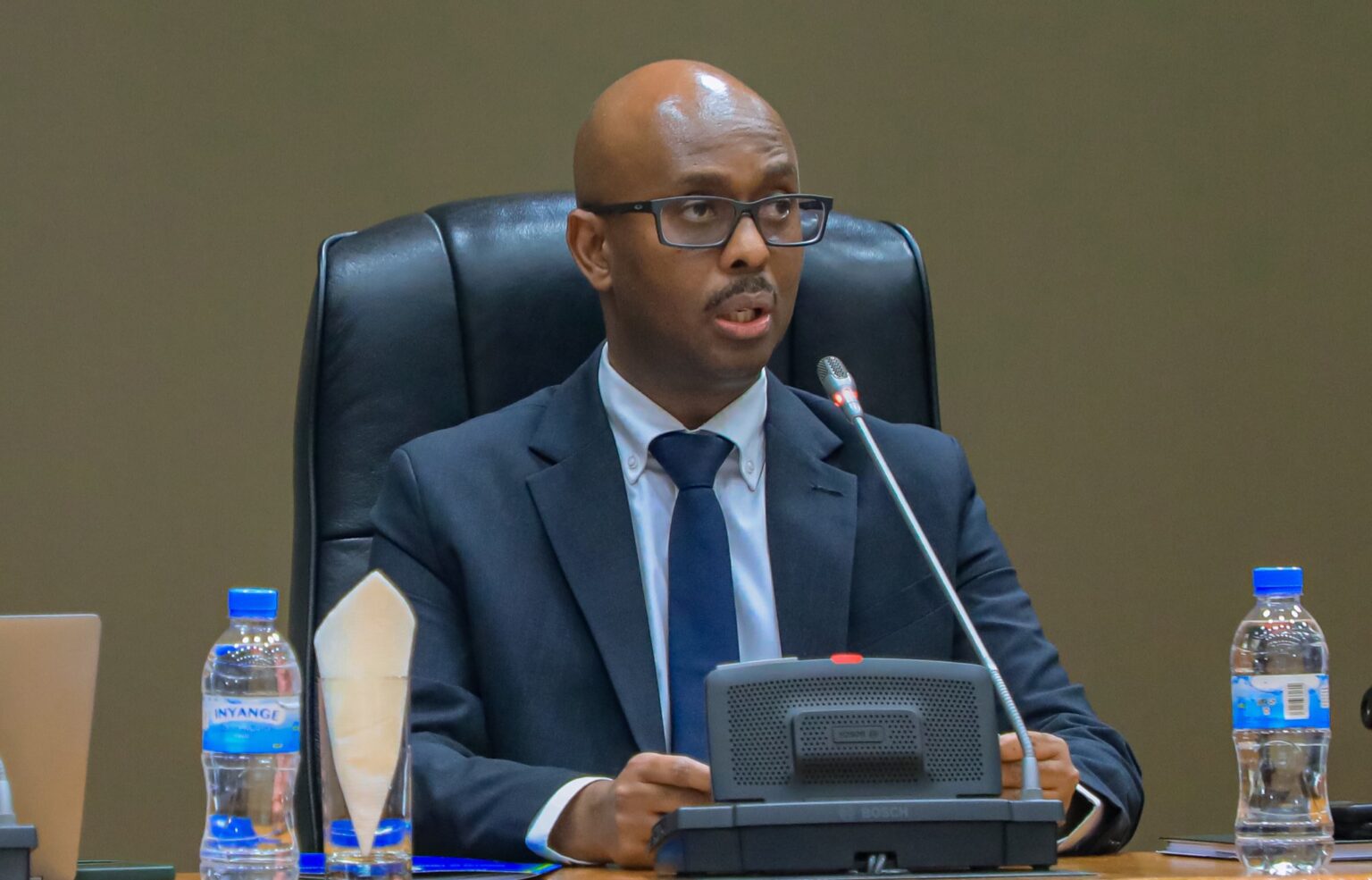
Minister of Finance and Economic Planning, Yusuf Murangwa, explained that these changes are designed to enhance Rwanda’s financial independence and support the country’s ambitious National Strategy for Transformation (NST 2). The strategy focuses on accelerating development and reducing the country’s reliance on foreign aid.
“The decisions we made today are part of a broader effort to build a stronger, more resilient economy,” Murangwa said. “We’re taking steps to ensure that the country can meet its development goals, relying more on our own resources rather than external support.”
The changes primarily affect three key areas:
-
Technology and Mobile Devices – Until now, products like mobile phones and tech devices were exempt from the value-added tax (VAT) in order to encourage widespread usage. However, with over 80% of Rwandans now owning mobile phones, the government has decided to apply VAT to these products to ensure fair contribution to the country’s growth.
-
Alcohol and Tobacco – Taxes on beer and tobacco, popular among many Rwandans, have been increased as part of efforts to raise more domestic revenue. The government has emphasized that the new rates aim to balance public health concerns with economic growth.
-
Digital Services – The government is introducing a new tax on services provided by digital platforms like Netflix and Amazon, which are primarily operated by companies based outside of Rwanda. This step will ensure that Rwanda is capturing value from the growing digital economy.
Murangwa emphasized that these changes are part of a broader vision for Rwanda’s future. “For Rwanda to progress, we need to generate our own resources,” he said. “This requires a fair tax system where everyone contributes to the nation’s development.”
While these tax reforms have been approved, they won’t be implemented all at once. The government plans to roll out the changes gradually, with full implementation expected by 2029. Minister Murangwa assured the public that there will be ample time for education and awareness campaigns, so that Rwandans understand how these changes will affect them.
“We’re committed to making sure everyone is on board,” Murangwa said. “We want to explain these changes clearly, so people understand why they’re necessary and how to comply.”
This gradual approach will help ease the transition, ensuring that the public has time to adjust and fully understand the new tax rules. The government also hopes that by explaining the reasoning behind these reforms, Rwandans will see them as an essential part of the country’s journey toward greater financial independenc
The new tax measures are an important step toward a self-sustaining economy for Rwanda. The government’s focus on expanding tax coverage to digital services, tech devices, and popular consumer products will help generate the resources needed for the country’s development. With a clear roadmap ahead, Rwanda is steadily moving toward realizing its vision of a prosperous, self-reliant future.