

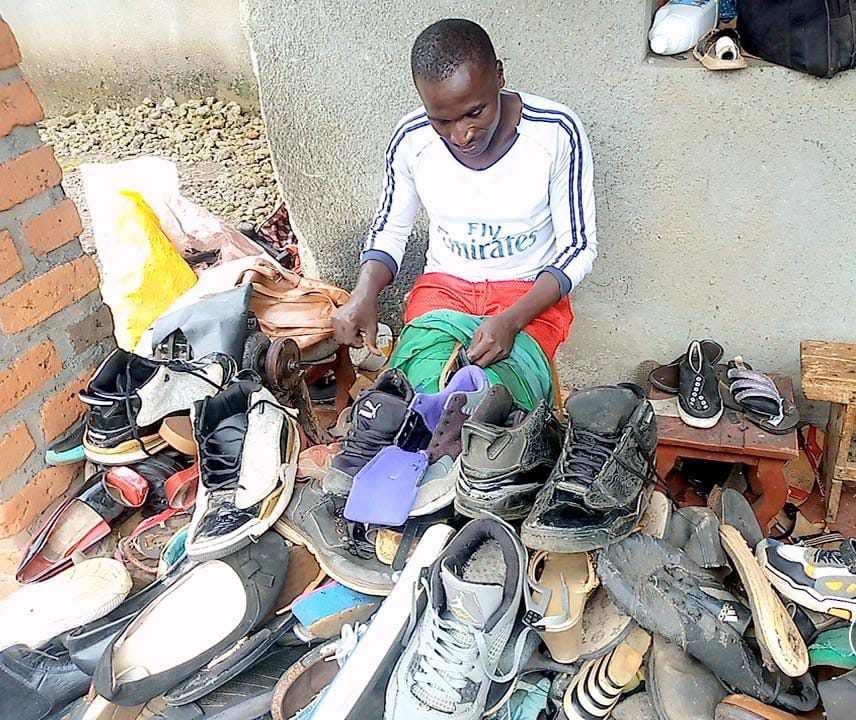
At 27, Habimana Alex is a skilled shoemaker with a hearing impairment, living and working in Musanze District. But beyond his craft, he is a passionate advocate for disability rights, often pausing his work to attend community workshops where people with disabilities share experiences and fight for equal opportunities.
“These sessions teach me something new about my rights every time,” Habimana said. “If I could ask society one thing, it would be to learn sign language. That way, we can break communication barriers and show that we’re just as capable.”
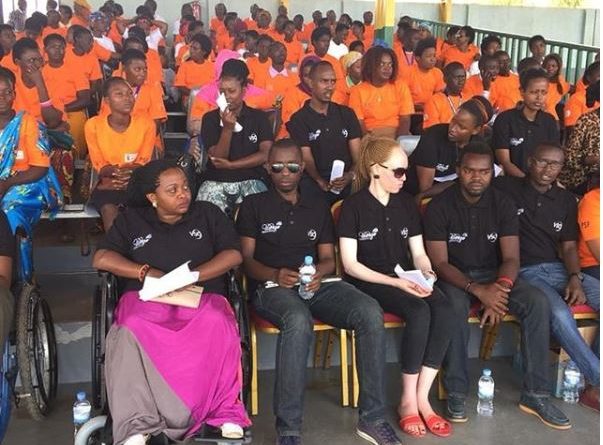
Habimana’s story reflects a growing movement across Rwanda, fueled by government support, civil society, and youth voices. The Umbrella of Organizations of Persons with Disabilities in the Fight Against HIV&AIDS and for Health Promotion (UPHLS), backed by UNICEF and funded by Norway, has been organizing community dialogues in districts including Musanze, Kayonza, Kicukiro, Karongi, and Huye.
These gatherings provide safe spaces for children, youth, and families to speak openly about stigma and discrimination, and explore ways to overcome barriers to full participation in society.
Rwanda has made notable strides integrating persons with disabilities into education, economic empowerment, and healthcare.
Over 3,600 schools nationwide have teachers trained in inclusive education. Braille books, audiobooks, and accessible digital materials help children with disabilities learn alongside their peers. Supported by UNICEF and the World Bank, the government has invested heavily in training educators and deploying assistive technologies for students with hearing or visual impairments.
Economic empowerment programs have benefited hundreds through vocational training and entrepreneurship initiatives. Many have launched successful businesses in poultry farming, crafts, and services.
One inspiring example is Alice Mutoni, who has used a wheelchair since childhood. After graduating from university, she now works as a data analyst at a local tech firm.
“The support I received showed me my disability doesn’t define my future,” Mutoni said.
Microfinance institutions and cooperatives also offer financial products tailored to entrepreneurs with disabilities in both urban and rural areas.
Healthcare services are adapting as well. Clinics and health centers bring rehabilitation and assistive devices closer to rural communities. Community health workers and outreach teams identify needs and deliver wheelchairs, walkers, and other aids. International partners support efforts to strengthen supply chains and local partnerships.
“Disability inclusion is not only a moral obligation but also a driver of national growth,” said Dr. Ruth Nsanzimana, an independent disability inclusion consultant. She praised Rwanda’s integrated approach.
Barriers remain, however. Physical obstacles, stigma, limited resources, and a shortage of trained personnel slow progress. Rwanda’s National Policy on Disability and recent strategic plans aim to tackle these challenges.
“Progress is happening, but much work remains,” said Emmanuel Ndayisaba, Executive Secretary of the National Council of Persons with Disabilities. “We want a Rwanda where everyone can fully participate and contribute.”
Government Reaffirms Commitment to Inclusive Education
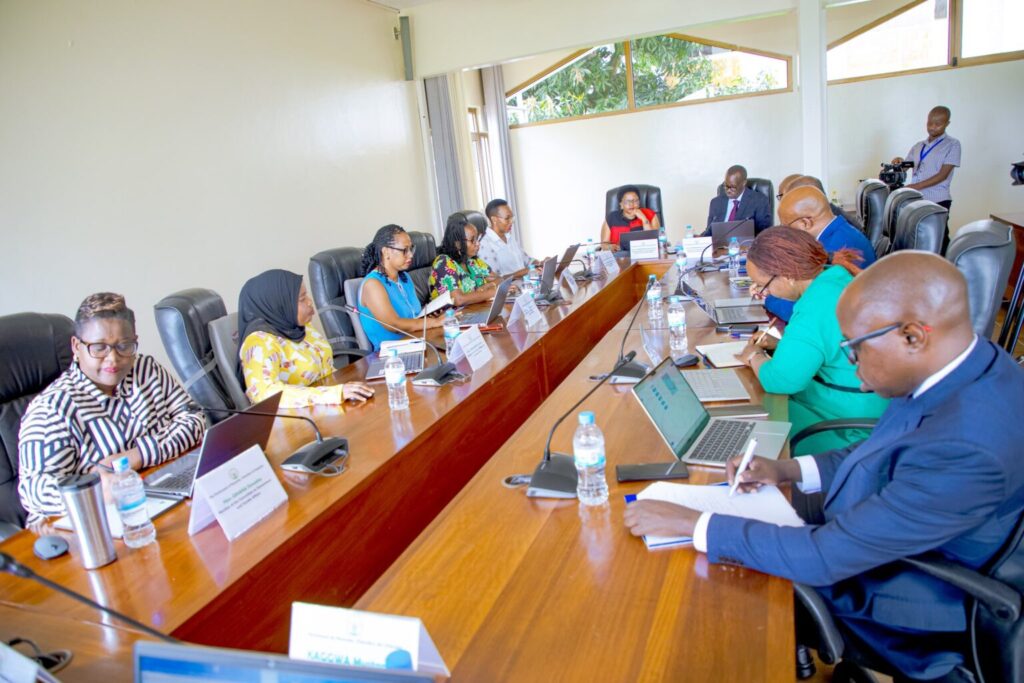
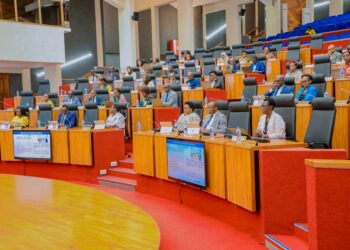
In March 4, 2025, Rwanda’s government renewed its focus on inclusive education during a meeting between Education Minister Joseph Nsengimana and members of the Governance, Gender Equality, and Women’s Empowerment Commission.
“Children with disabilities deserve the same opportunities as all children,” Nsengimana said. “We must end isolation and ensure they have the chance to succeed.”
By 2024, nearly half of all teachers had received training in inclusive education, including 240 specialized educators. Rwanda has 11 specialized schools with tailored curricula and assistive technology, including accessible digital textbooks with audio, video, and sign language support.
Member of Parliament Sylvie Muyango urged greater efforts to combat stigma that discourages parents from enrolling children with disabilities.
“Every child has strengths,” she said. “Focusing on them helps children succeed.”
The Rwanda Education Board plans to build five new specialized schools for children with autism and intellectual disabilities, which will also benefit nearby students without disabilities.
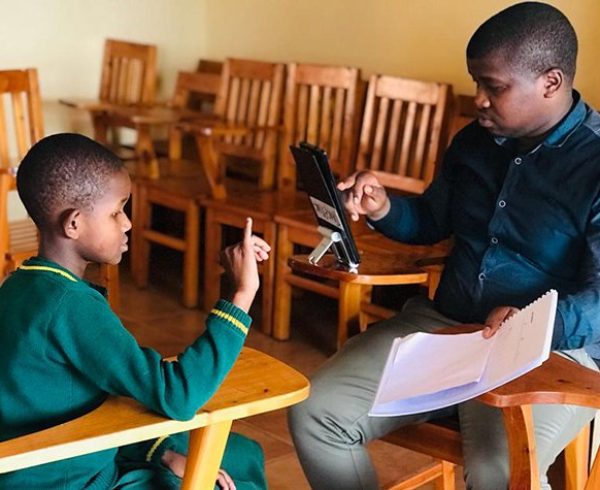
So far, 560 teachers have been trained in inclusive education and 1,400 in sign language, with 32 schools receiving specialized materials. Concerns about the challenges children with disabilities face during national exams were raised, and Minister Nsengimana promised targeted support.
Currently, 3,646 schools have at least one teacher trained in inclusive education, and 60 percent provide specialized support.
Rwanda remains committed to ensuring every child, regardless of ability, can access quality education and reach their full potential.