


Rwanda’s Chamber of Deputies has given the Ministry of Gender and Family Promotion (MIGEPROF) a 12-month deadline to resolve persistent gaps in key national programs aimed at reducing child malnutrition and stunting.
The decision follows a detailed assessment conducted by the parliamentary Committee on Social Affairs, which found that although Rwanda has made progress in improving child nutrition, significant challenges are undermining national targets.
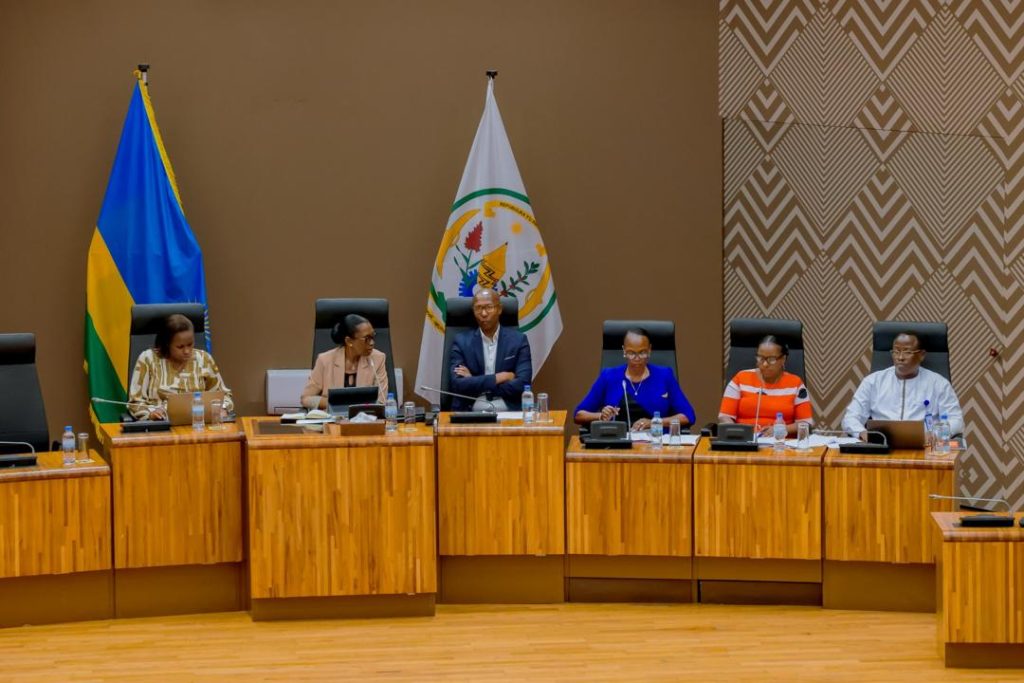
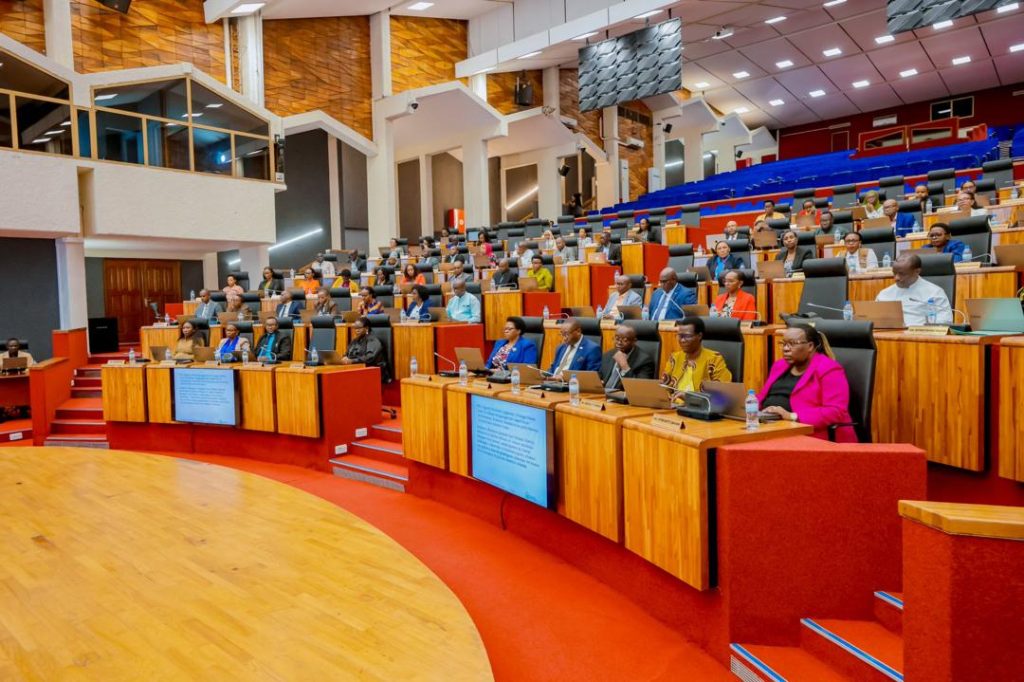
The committee presented its findings Thursday during a plenary session, noting that malnutrition and stunting remain critical threats to the country’s long-term development.
Chairperson Veneranda Uwamaliya said the committee conducted field visits from May 5 to 12, 2025, in 12 districts across the provinces and three districts in the City of Kigali. The districts were selected based on their stunting rates, including areas with the highest and lowest levels. The visits aimed to gather firsthand information about ongoing interventions, existing gaps and the overall effectiveness of early childhood development and nutrition programs.
According to the report, several home-based Early Childhood Development centers (HBECDs) are not functioning properly. Many do not operate daily, leaving children without consistent care or access to meals. Others provide food that is neither sufficient nor nutritionally balanced.
The committee also found that caregiver training remains inadequate, with some educators lacking the skills or resources needed to support children’s early development. Additionally, sanitation standards in some centers are below national requirements, and a number of facilities continue to operate without official authorization or fail to meet established guidelines for ECD services.
Beyond the centers themselves, the committee identified weaknesses across the broader nutrition support system. In some communities, parents still lack awareness about the importance of balanced diets and regular feeding for young children. This limited understanding, combined with poverty, has left some children unable to receive daily meals. At the health-service level, several health centers were found to be without dedicated nutrition staff, reducing their ability to support families and monitor children at risk of malnutrition. Community health workers also face shortages of essential tools used to track children’s growth, with some equipment outdated or broken.
The report further highlighted operational challenges, noting that district budgets intended for nutrition programs often prioritize monitoring instead of implementation. The result is limited impact on the ground, even where sufficient funding exists.
Delays in delivering nutritional supplements to beneficiaries also remain common, affecting children who rely on them the most. Moreover, coordination among institutions responsible for nutrition interventions is inconsistent, slowing the progress of nationwide programs designed to reduce stunting.
In response to these findings, lawmakers directed MIGEPROF to take stronger measures to improve meal preparation, ensure hygiene in community kitchens, and enhance parental involvement in early childhood development. The ministry was also ordered to strengthen monitoring systems and work more closely with local governments to ensure that vulnerable children receive timely support.
Parliament emphasized that improving the quality of early childhood services—including meals, sanitation, caregiver training and educational materials—is essential for preparing children for primary school and securing the country’s future.
The Chamber of Deputies said it will continue to monitor the ministry’s progress over the next year to ensure that the mandated reforms are carried out effectively and within the stipulated timeframe.