


National Human Rights Commission (NHRC) says poverty, family conflict, and lack of reproductive health knowledge continue to drive teenage pregnancies in the country.
NHRC President Providence Umurungi spoke on Feb. 23, 2026, while launching a human rights awareness campaign in secondary schools. The program is designed to educate students on child rights and the impact of teenage pregnancies, while encouraging youth to prevent unplanned pregnancies.
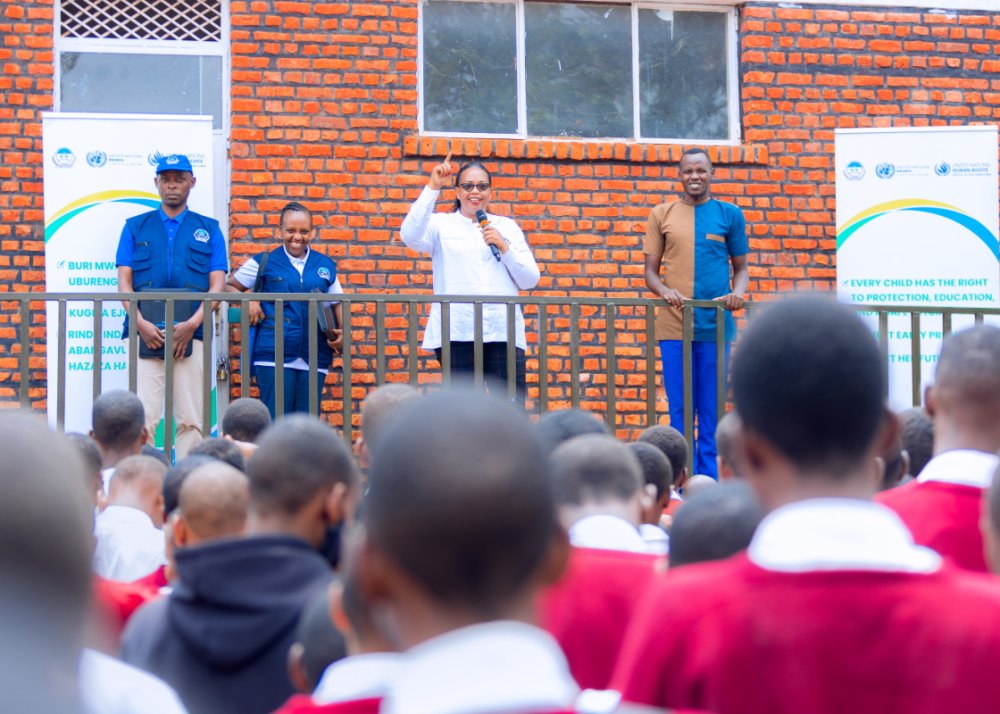
“The main drivers of adolescent pregnancies include poverty, family conflict, alcohol and drug abuse, early sexual activity, and insufficient information on reproductive health,” Umurungi said. He emphasized that teenage pregnancies interfere with girls’ education and threaten their future prospects.
The seventh Rwanda Demographic and Health Survey (DHS 7) conducted in 2025 showed that pregnancies among girls aged 15 to 19 rose to 8% from 5% in 2020. The survey counted births among adolescents who had not yet reached adulthood in the past five years.
With support from the U.N. Office of the High Commissioner for Human Rights (OHCHR) in Rwanda, the campaign is being implemented in nine districts: Nyabihu, Ngororero, Rutsiro, Kamonyi, Huye, Gakenke, Nyarugenge, Gasabo, and Kicukiro. Students are taught to understand their rights and the role of youth in preventing and addressing teenage pregnancies.
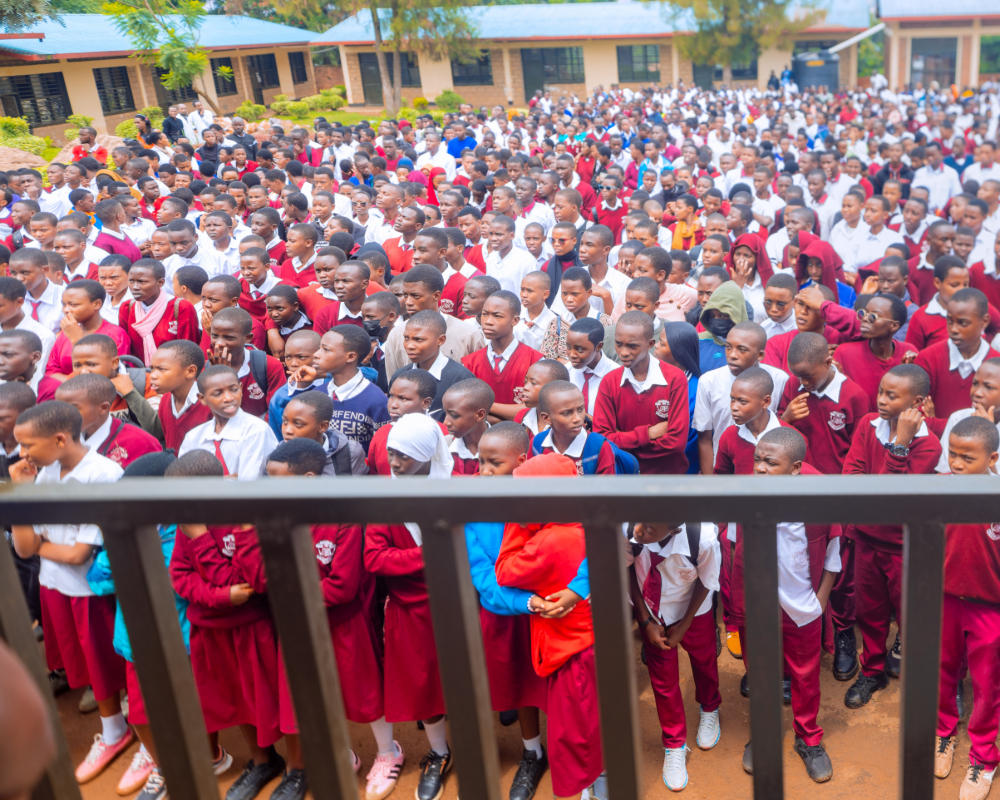
Second-year student Mbabazi Hirwa Aklat said the program helped her learn to make safer choices. “I learned to say ‘no’ if someone pressures me into sex and to avoid risky behavior that could lead to an unplanned pregnancy,” she said.
NHRC plans to extend the campaign to higher learning institutions, including universities. Government statistics show that 22,454 adolescents were sexually abused and became pregnant in 2024. Numbers of teenage pregnancies have risen over the past several years, from 19,701 in 2020 to 24,472 in 2022, with a slight decline to 22,055 in 2023.
The NHRC campaign aims to equip young people with knowledge of their rights and practical tools to prevent teenage pregnancies, helping safeguard the health, education, and future of Rwanda’s girls.