

East Africa, with a population estimated of 302.2 million citizens, grapples with the challenge of unifying its fragmented regional markets. Despite its varied political, socio-cultural, and geographical landscapes, the region is rich in potential.
The energy sector emerges as a crucial driver of economic growth and collaboration. However, many East African nations still struggle with low electricity access and insufficient grid infrastructure, which pose significant obstacles.
Rwanda has made remarkable strides in electrification. Back in 2009, just 6% of households had electricity. By 2024, that number has jumped to 80%, making Rwanda one of the fastest-growing countries in the world for electrification. This impressive progress ranks the nation 11th globally and 3rd in Africa for electrification growth from 2010 to 2020.
This transformation is supported by substantial investments in electricity infrastructure. Rwanda has successfully connected all health centers, administrative offices, and 84% of schools to the national grid. Even more impressive is the provision of reliable electricity to rural areas, particularly those near the Uganda border. Villages that were once in darkness now enjoy the benefits of overhead transmission lines, energizing homes, businesses, and communities.
The introduction of electricity in border towns like Nyagatare has brought about significant change. Mutoni, a local resident, remembers her childhood in a home without electricity. “Finding a place to charge my phone used to take me 10 to 20 minutes,” she shares. Now, with power lines running through her village, she can charge her phone at home, and her children can study at night with dependable lighting.
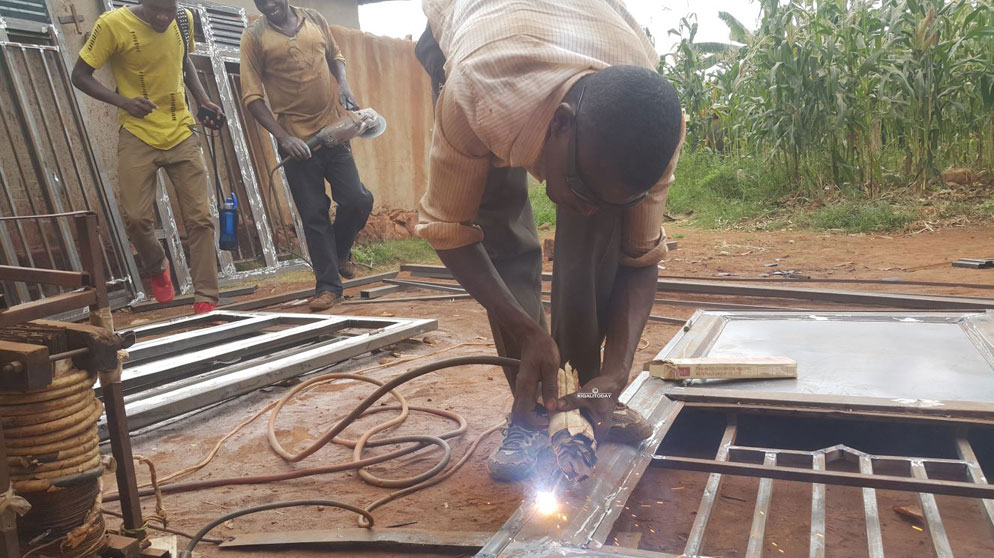
Further out in the countryside, in Gatsibo District, explains how electricity has energized his welding business. “This power line from Uganda has directly benefited us,” he remarks. The consistent energy supply has laid the groundwork for small businesses to flourish, driving industrial growth in the area.
The Shango-Mbarara interconnection, which commenced power trading in October 2023, represents a significant milestone in East Africa’s energy integration. After the synchronization of the power grids of Rwanda and Uganda in June 2023, the two countries began trading electricity, marking a crucial step for the Northern Corridor Integration Infrastructure Projects.
The power trade is already yielding economic benefits. Uganda, abundant in hydropower resources, is exporting electricity to Rwanda, generating considerable revenue. The Uganda Electricity Transmission Company Limited (UETCL) has reported an average monthly revenue of USD 1.5 million from these electricity exports.
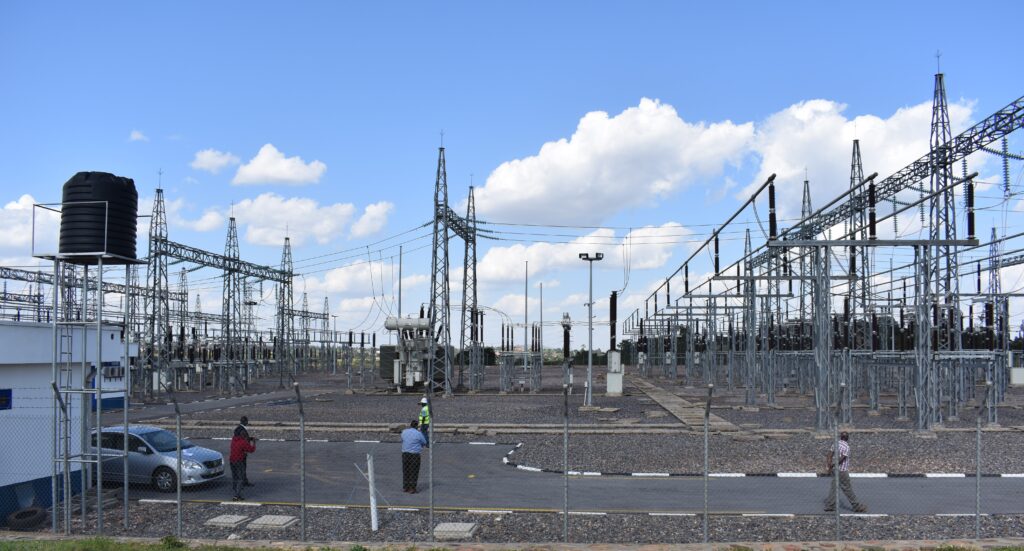
In December 2023 alone, Uganda exported 9.4 million kilowatt-hours (kWh) to Rwanda, averaging 27.1 megawatts (MW). This trade not only represents the flow of energy but also signifies the development of a more integrated and sustainable energy market for the region. Eng. Jacob Manyuon Deng, the Regional Power Program Officer at NELSAP-CU, states that the interconnection not only fosters economic growth but also enhances social conditions by providing reliable power to support local activities.
Rwanda decommissioned all diesel power plants in June 2023.Previously, diesel power plants were operational in Jabana, Gasabo District, Kigali, and Gikondo, Kicukiro District.
The Rwandan Government anticipates substantial savings, estimated between Rwf 20 to 24 billion annually, following the discontinuation of diesel power plants.
Minister of Infrastructure, Jimmy Gasore, highlighted the strategic shift, saying, “We recently began importing power from Uganda as needed. The Rusumo hydropower plant has also contributed significantly. This influx of power has drastically reduced our reliance on diesel-based electricity generation, necessitating the shutdown of diesel power plants.”
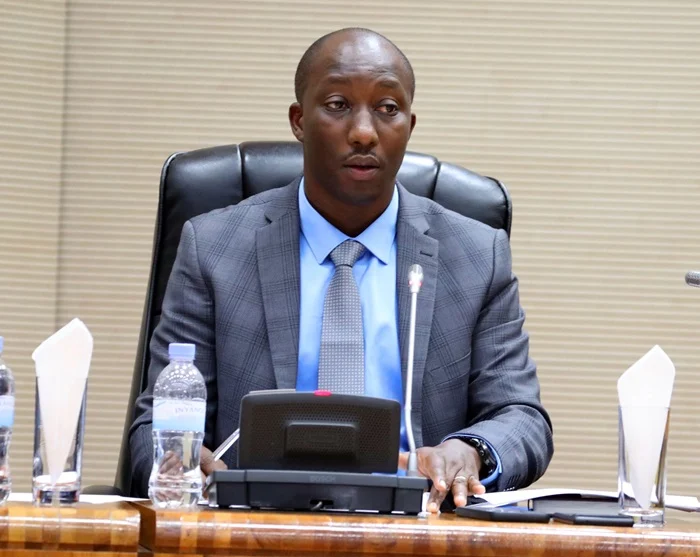
Furthermore, Rwanda’s power grid is interconnected with Uganda, Burundi, Eastern DRC, and Tanzania. Additional projects are underway to establish interconnections with the DRC and Burundi.
The successful synchronization of power grids between Burundi, Rwanda, and Tanzania has already been accomplished, marking significant progress in regional energy integration.
This interconnected grid, which stretches 946 kilometers and features 220kV and 400kV transmission lines, aims to enhance electricity access, stabilize power networks, and lower energy costs throughout the region.
One of the primary advantages of this grid is its capacity to incorporate renewable energy sources—such as hydro, solar, and wind—into the regional power supply. By encouraging competition among energy producers, it will help reduce energy prices, promote cleaner energy options, and support a more sustainable future for East Africa.
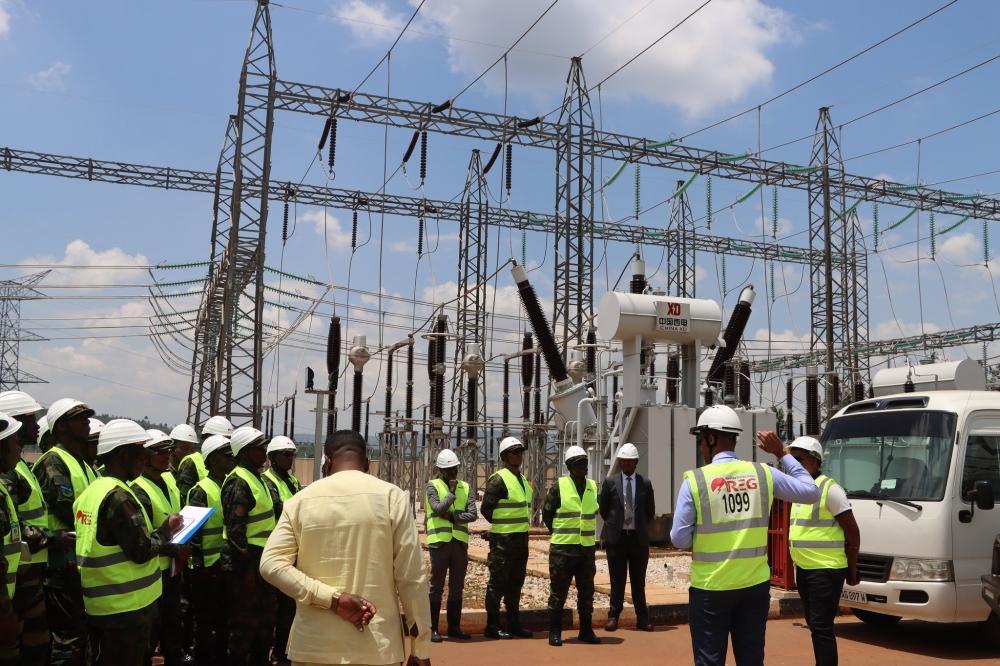
A crucial element of this regional energy transformation is the Shango Substation located in Kigali, Rwanda which was commissioned in December 2019. This essential infrastructure connects Rwanda’s power grid to those of Uganda, DR Congo, and Tanzania, facilitating smooth energy flow and enabling Rwanda to meet the rising energy demands of its expanding economy.
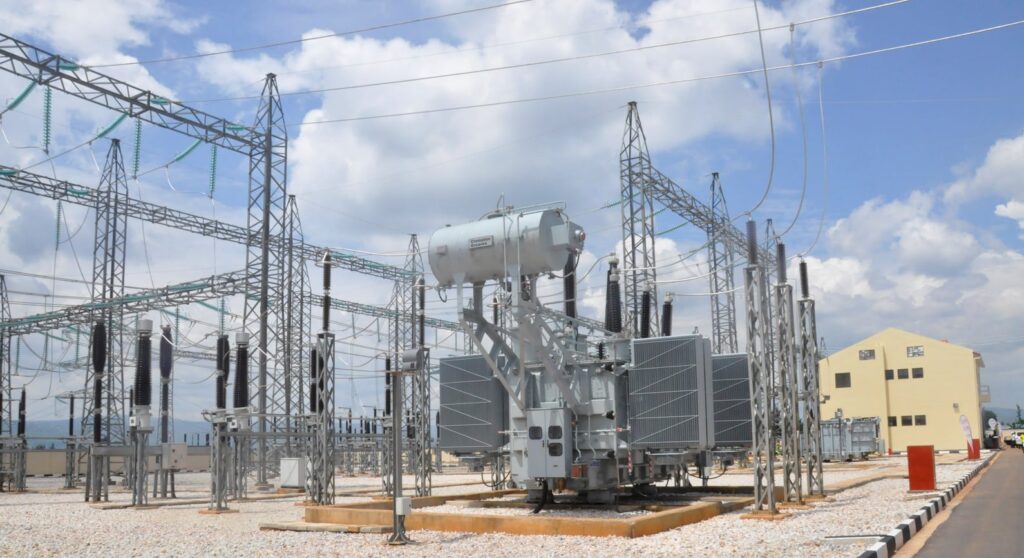
The Shango Substation plays a key role in Rwanda’s National Strategy for Transformation (NSTI), which seeks to enhance the country’s energy capacity and promote sustainable development. By bolstering grid reliability, Rwanda is not only securing its own energy future but also playing a part in the economic integration of East Africa.
The regional energy interconnection project not only has economic benefits but also carries significant political and social implications. By facilitating energy exchange, the grid promotes regional cooperation and enhances political stability. A notable instance of this is the reopening of the Gatuna border between Rwanda and Uganda in March 2023, which came after years of political tension. This development underscores how energy collaboration can help heal political divides and strengthen diplomatic relationships.
Initiatives such as the Nile Equatorial Lakes Subsidiary Action Program (NELSAP-CU), backed by international partners like USAID, are establishing the foundation for a unified electricity grid that has the potential to drive economic growth in the region.
As engineers focus on synchronizing transmission lines and substations, the Shango-Mbarara interconnection serves as a crucial link between Uganda and Rwanda. This integration aims to provide a reliable, affordable, and sustainable energy supply for the area.
Rwanda’s ambitious electrification initiative has already connected more than 80% of households to the national grid. Once the interconnection project is fully operational, remote areas will gain access to affordable and reliable electricity, replacing expensive and polluting energy sources like kerosene and firewood.
The economic and social advantages of dependable electricity are becoming increasingly clear in places like Rubavu, where energy access bolsters local industries and encourages growth. As power outages decrease, both businesses and residents are feeling optimistic about the future of regional energy cooperation.
The Road Ahead: Challenges and Opportunities
While the interconnected grid holds great promise, there are still challenges to address. Experts, including Dickens Kamugisha from the African Institute for Energy Governance, point out issues such as inefficient energy distribution systems and governance obstacles. Nevertheless, the benefits—sustainable development, reduced energy costs, and enhanced regional cooperation—far exceed these challenges.
The Shango-Mbarara interconnection and the wider regional grid offer East Africa a unique chance to revolutionize its energy sector. By embracing regional collaboration and sustainable energy solutions, East Africa is on a path toward a more prosperous and integrated future.
The Shango-Mbarara interconnection is more than just a technical milestone; it symbolizes the future of East Africa—a future characterized by enhanced collaboration, economic development, and collective prosperity. By uniting their energy markets, East African countries are not only tackling power shortages but also laying the groundwork for a more resilient, interconnected, and sustainable energy landscape.
The regional landscape for power interconnections is evolving rapidly, with ongoing projects and feasibility studies aimed at further enhancing energy cooperation among neighboring countries. Completion of the Rusumo Falls Hydroelectric Project in Rwanda is also poised to bolster energy collaboration among Burundi and Tanzania, facilitating power trade and regional development.
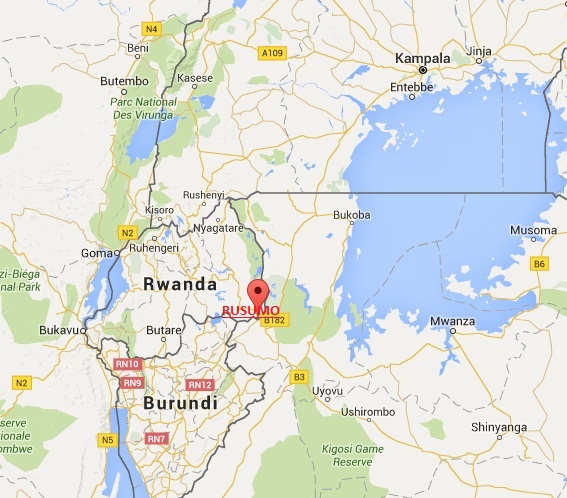
The Power Purchase Agreement (PPA) signed between the Rusumo Project and utilities of the three countries operates on a ‘take or pay model,’ ensuring sustainable power distribution and economic viability.
As regional energy collaboration progresses, stakeholders are optimistic about the transformative impact on socio-economic development and environmental sustainability across the region as well as serve for a key element of East African integration, fostering economic growth, improving living standards, and encouraging regional cooperation for a sustainable future.