

The Democratic Republic of Congo is set to send its first shipment of copper to the United States under a new trading arrangement aimed at diversifying the country’s mineral export markets and supporting U.S. efforts to secure critical supply chains.
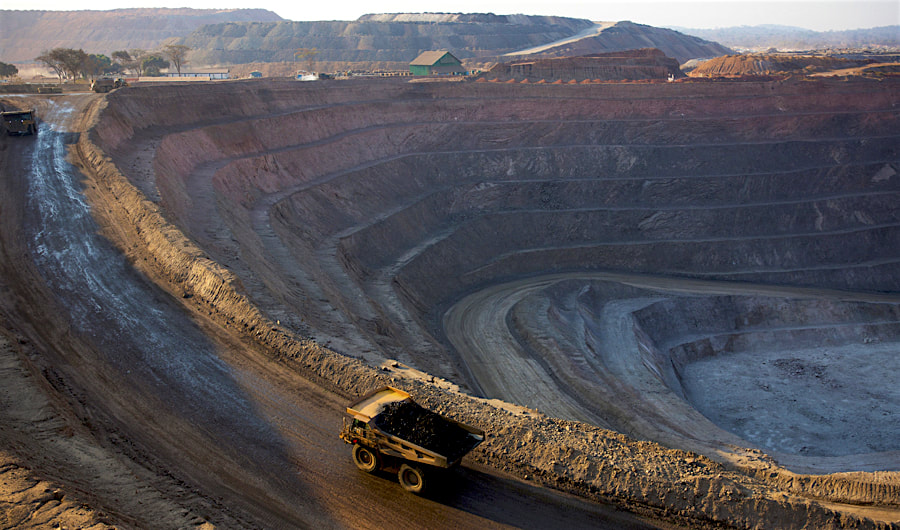
Under a contract announced Monday, Congo’s state-owned mining company, Gécamines, will export 100,000 metric tons of copper to the U.S. from the Tenke Fungurume mine, which is operated by a Chinese firm. The shipment follows the signing last month of a strategic partnership between Washington and Kinshasa focused on economic cooperation and mineral resource security.
The exports will be handled through a newly created copper-and-cobalt trading venture between Gécamines and Mercuria, a Swiss-based commodities trader. U.S. officials have described the partnership as part of a broader strategy to reduce dependence on Chinese-controlled mineral supply chains, particularly for metals used in electric vehicles, renewable energy and industrial manufacturing.
Congo is Africa’s largest copper producer and the world’s leading source of cobalt, but China has long dominated its mineral trade. In 2024, Congo shipped about 1.48 million metric tons of refined copper to China, making Beijing the country’s largest buyer by a wide margin.
Congolese authorities say the deal with the United States is intended to expand commercial options rather than replace existing partners. Deputy Prime Minister Daniel Mukoko Samba has said the government is seeking to diversify export destinations while maintaining relations with all major buyers.
Washington’s influence in Congo’s mining sector is largely contractual rather than ownership-based. Tenke Fungurume was previously controlled by U.S. miner Freeport-McMoRan before being sold in 2016 to China’s CMOC, reflecting China’s stronger financial position in acquiring major mining assets.
Despite the new shipment, trade volumes between the two countries remain limited. Congo’s total trade with China reached about $28 billion in 2024, compared with roughly $1.6 billion with the United States, highlighting the scale of China’s economic presence in the country.