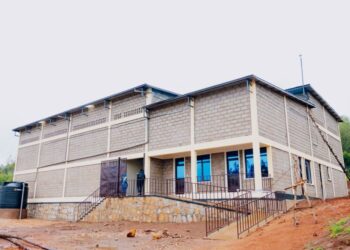


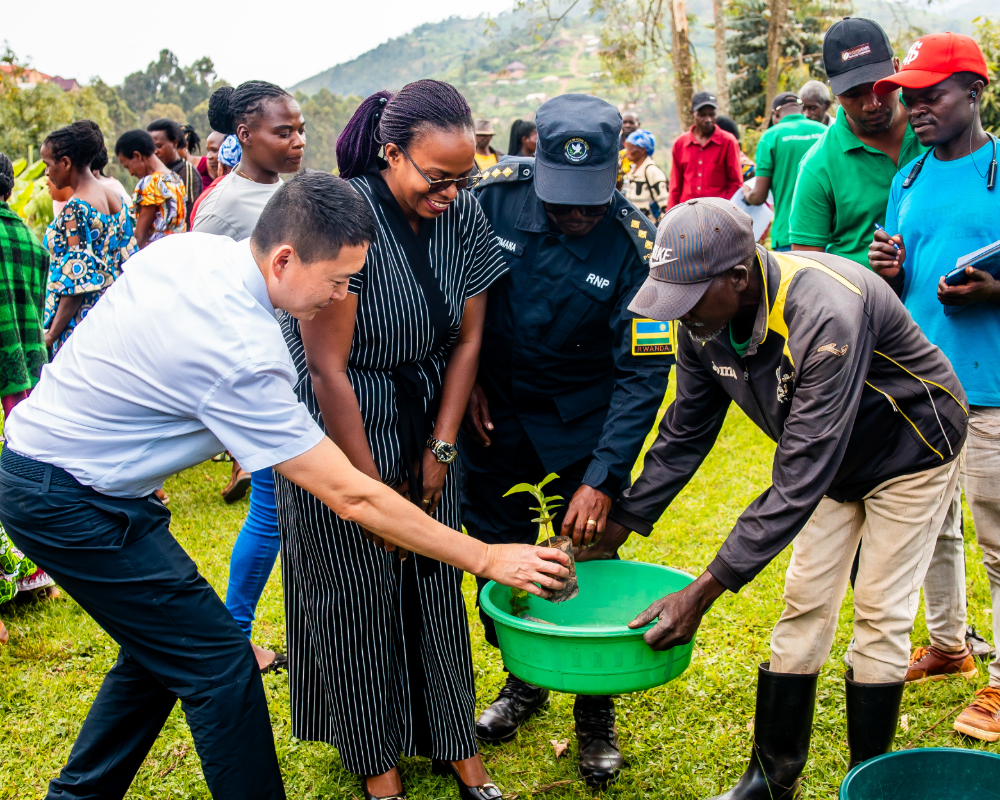
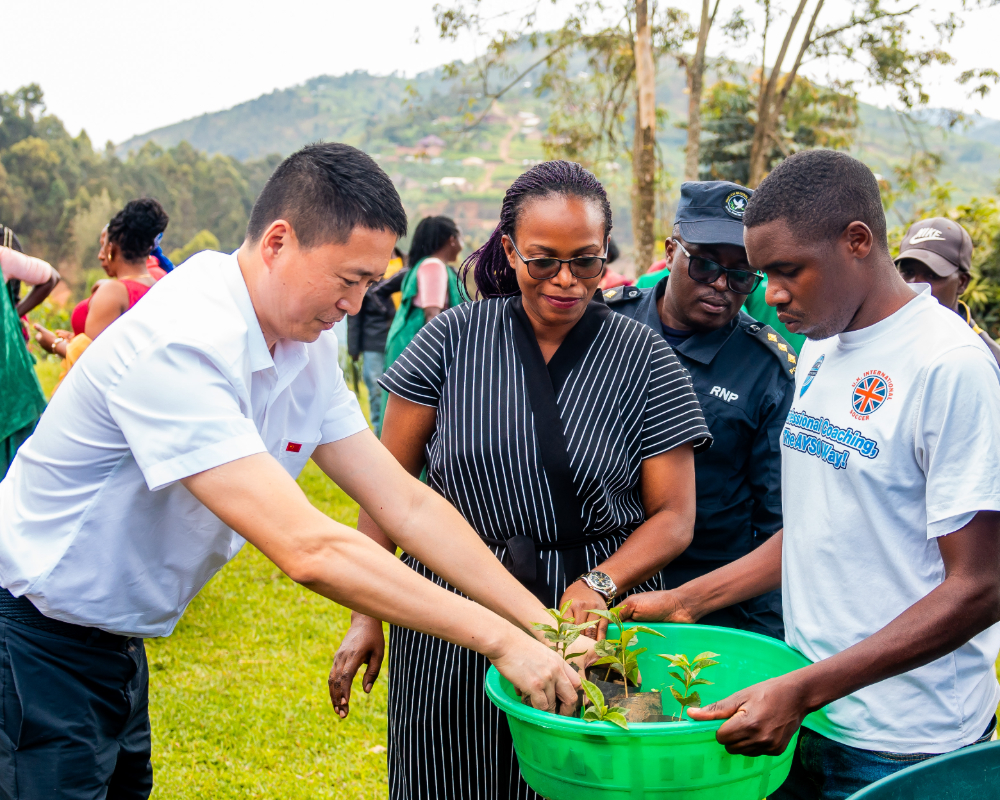
Coffee farmers in the Abakundakawa Rushashi Cooperative in Gakenke District have received more than 14 million Rwandan francs in agricultural tools and coffee seedlings from the Chinese Embassy, support officials say will help increase production beyond the cooperative’s current 1,300 tons per season.
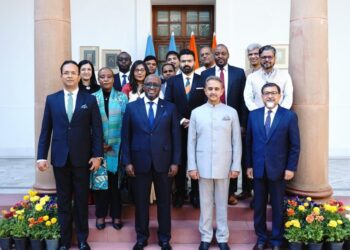
The donation was handed over Dec. 2 during a ceremony attended by China’s ambassador to Rwanda, Gao Wenqi, along with Gakenke District Mayor Mukandayisenga Vestine and other local leaders.
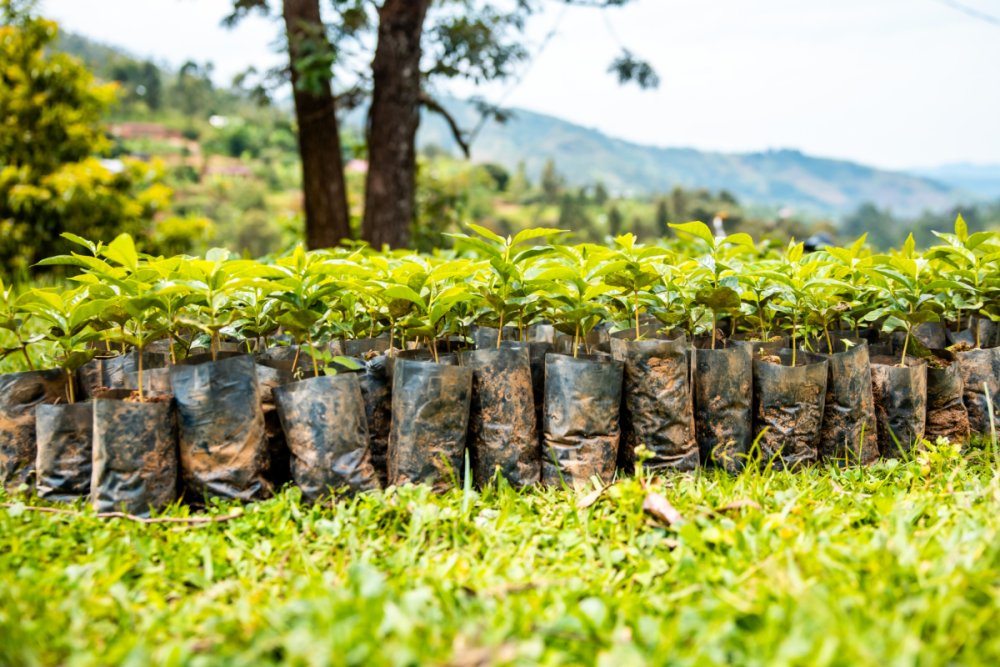
The package includes 5,200 coffee seedlings, 2,015 hoes and 10 sewing machines. Officials say the equipment will help farmers expand production and strengthen their livelihoods.
Abakundakawa Rushashi Cooperative President Bizimana Anastase said members welcomed the donation, which fulfilled a pledge made during the ambassador’s visit in August.
“When the Chinese ambassador visited our cooperative, he appreciated our work and said he would return with a gift to help us continue growing coffee,” Bizimana said.
Mayor Mukandayisenga said the seedlings are expected to boost yields and urged young people in the district to pursue opportunities in coffee farming, calling it a valuable cash crop.
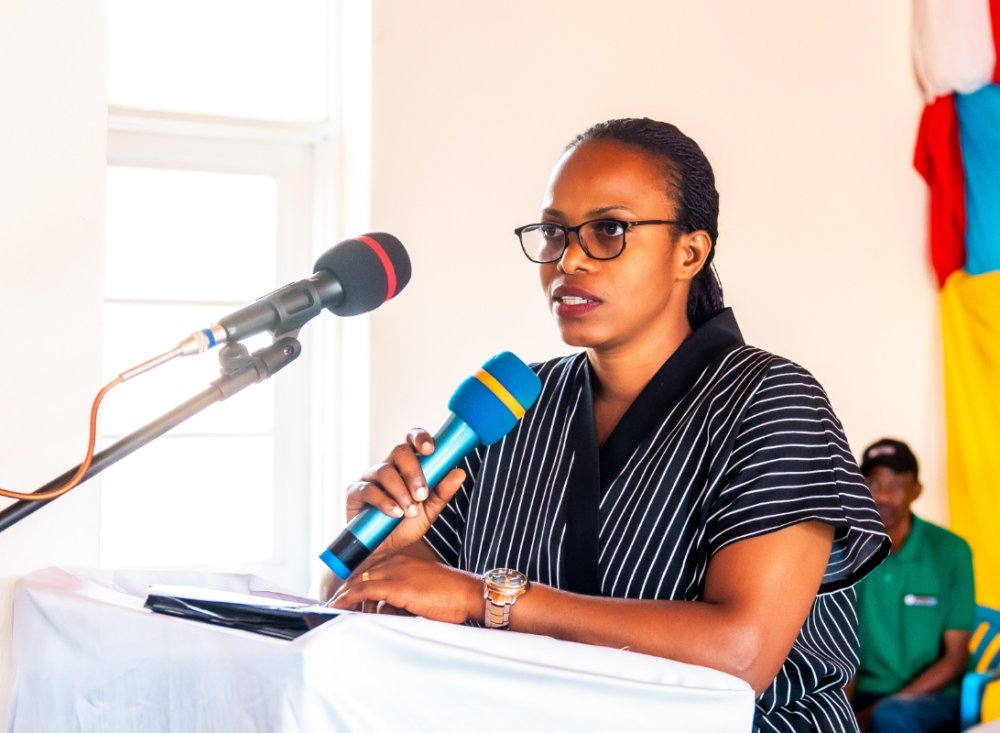
“We encourage youth to seize these opportunities and join coffee farming, because their participation remains very low compared with the overall number of farmers in Gakenke,” she said.
Ambassador Gao said the donation reflects the strong cooperation between China and Rwanda.
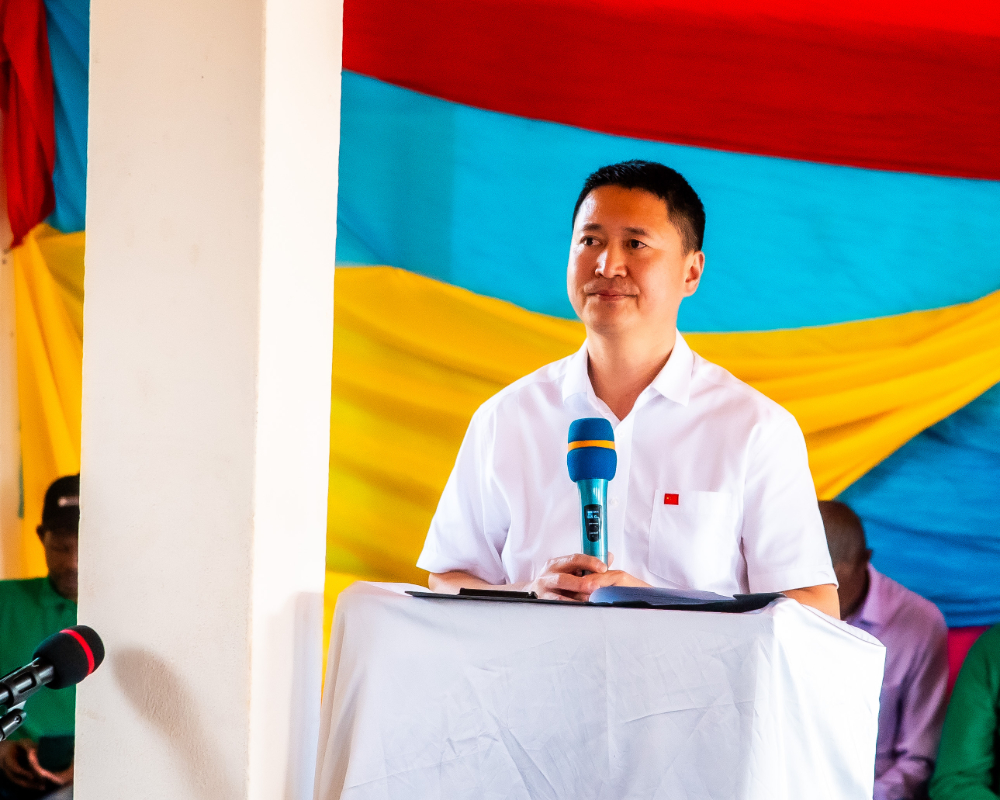
“China and Rwanda have a very strong relationship, which is why we are committed to using China’s agricultural and livestock expertise to support farmers in every possible way for sustainable development,” he said.
He added that China has removed taxes on goods from Rwanda and urged farmers to continue producing high-quality coffee, saying China represents a promising market.
“These seedlings are seeds of friendship and prosperity,” Gao said. “They will help you increase production and potentially export to the Chinese market.”
The Abakundakawa Rushashi Cooperative began in 1999 with 100 members—62 men and 38 women—and became a legally recognized cooperative in 2004. It now has more than 2,000 members, including 916 women and about 490 young people.
The cooperative operates two coffee washing stations in Rushashi and Minazi sectors. Leaders say production has risen from 50 tons in its early years to about 1,300 tons per season today.