

Rwanda is stepping up investment in its power sector, drawing large-scale financing from international development institutions and private investors as the country works to expand electricity access and boost renewable energy capacity.
In 2025, the African Development Bank approved €173.84 million for Rwanda’s Energy Sector Results-Based Financing (RBF II) programme, with additional financing of €86.92 million from the Asian Infrastructure Investment Bank. The combined €260.76 million package is intended to support grid expansion, off-grid electrification, clean cooking technologies and improvements in the reliability of electricity supply, according to an AfDB statement.
The programme is designed to connect households and productive users to the grid, expand off-grid services, and improve energy access in rural areas. AfDB officials said the financing aims to advance Rwanda’s push toward universal electricity access and help the country meet growing demand from industry and households.
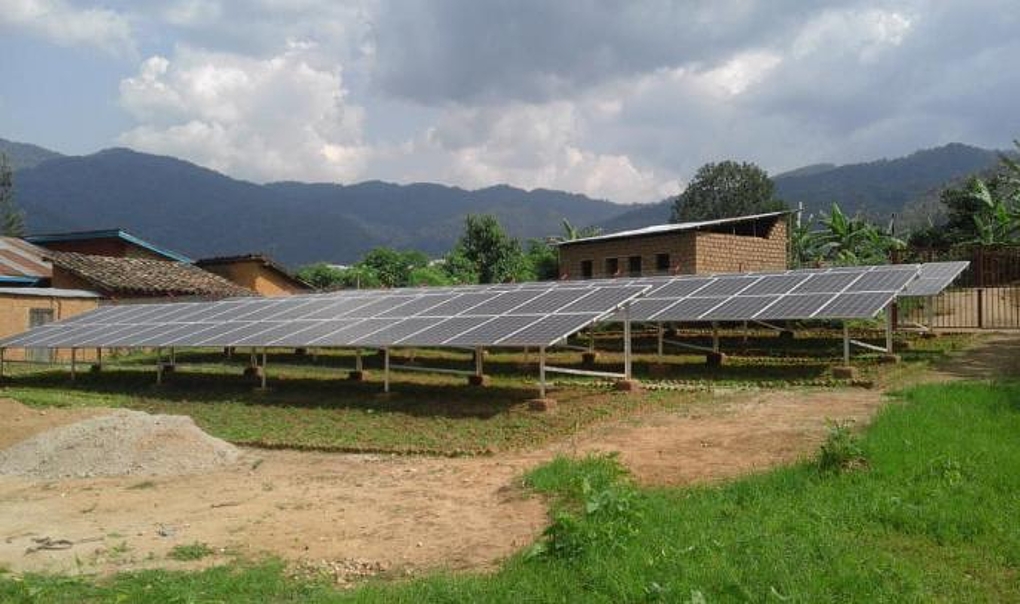
A separate World Bank Group unit, the Multilateral Investment Guarantee Agency, has also supported Rwanda’s renewable energy drive. In June 2024, MIGA issued a $9 million guarantee to support investments by ARC Power Rwanda Ltd. in the country’s first interconnected solar grid project. The initiative is expected to connect about 30,000 customers across 150 villages, linking solar mini-grids to the national network, MIGA said.
“MIGA’s guarantee will support Rwanda toward its ambitious goal of achieving universal energy access,” said Hiroshi Matano, MIGA’s executive vice president, in a statement announcing the guarantee. He added that reliable and affordable power is essential for economic growth.
The government has said it aims to raise the share of renewables in the national energy mix to 60% by 2030, driven largely by hydro and solar power. The Ministry of Infrastructure has also said that renewable sources already make up more than half of Rwanda’s installed generation capacity, reflecting the country’s emphasis on clean energy.
Eng. Patricie Uwase, the ministry’s permanent secretary, said expanding solar power and integrating it into the national grid is central to Rwanda’s long-term energy strategy. “Attracting private capital is essential for the next phase of our power sector growth,” she said in public remarks tied to the strategy.
The World Resources Institute estimates that as of early 2025, roughly 82% of Rwandan households had access to electricity, including through off-grid solar solutions. The country’s electricity access rate has risen steadily in recent years, but government officials and energy analysts say continued investment is needed to meet future demand.
Rwanda Energy Group has outlined a plan to expand generation capacity to 1,066 megawatts by 2034, including additional renewable projects, according to public statements by the state-owned utility.
The combination of multilateral financing, guarantees and private sector participation is expected to help Rwanda move toward its goal of universal access while reducing reliance on diesel generation. The financing also underscores the increasing role of private capital in Africa’s energy transition, as governments seek to balance economic growth with clean energy targets.