

Rwanda’s chief justice on Friday praised the country’s commitment to homegrown justice solutions following the 1994 genocide against the Tutsi, saying Rwandans took the lead in rebuilding their nation and ensuring accountability.
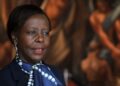
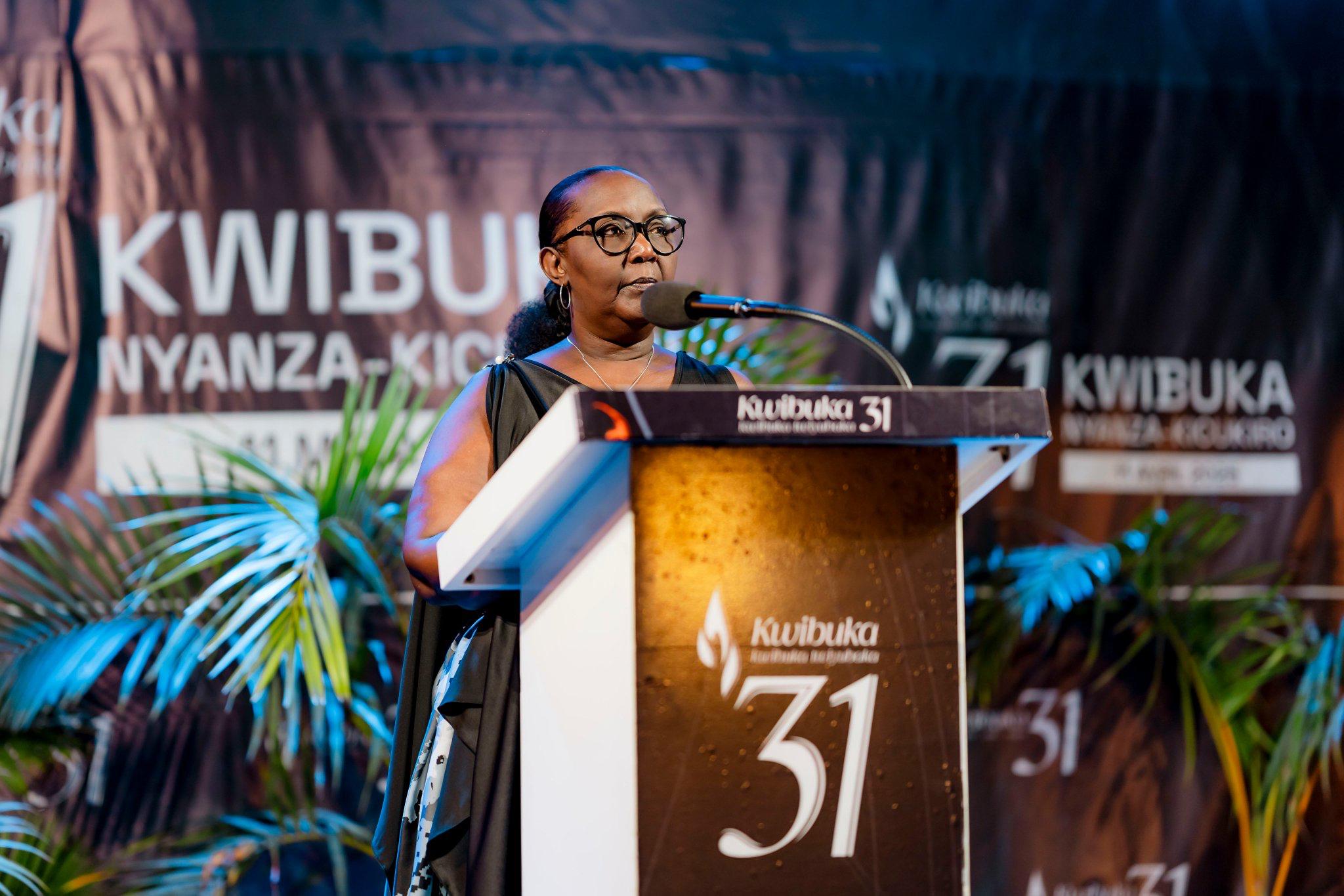
Speaking at a ceremony marking the 31st anniversary of the genocide, Supreme Court President Domitilla Mukantaganzwa said the pursuit of justice helped restore dignity to survivors and strengthened national unity.
“Commemoration reminds us of our vow: never again,” Mukantaganzwa said during the event in Nyanza, Kicukiro District, one of the sites where more than 3,000 Tutsi were killed after Belgian peacekeepers abandoned them at a school compound.
She criticized the international community’s failure to intervene during the killings, saying it also continues to overlook rising genocide ideology in the Great Lakes region — particularly in eastern Congo.
“The same international community that failed to protect Tutsi refugees in 1994 is now turning a blind eye to violence against Kinyarwanda-speaking Congolese, especially Tutsi, while unfairly accusing Rwanda,” she said.
Mukantaganzwa highlighted Rwanda’s use of Gacaca courts — traditional community-based courts — to try genocide-related crimes, along with citizens’ participation in providing testimony to international and foreign courts.
“Even as we continue to remember the horrors of our past, we must also remember the strength we found to rebuild a nation we’re proud of today,” she said, crediting President Paul Kagame’s leadership.
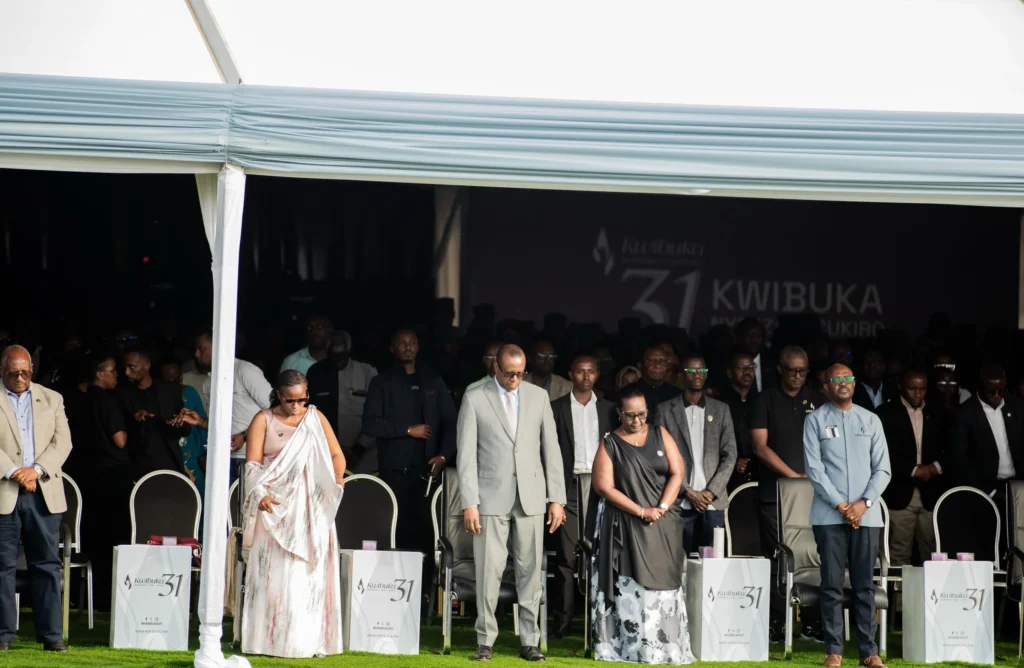
The event was attended by government officials, youth representatives and international guests. Attendees participated in a memorial walk retracing the path taken by victims from ETO Kicukiro to Nyanza hill, where many were executed. A flame of remembrance was also lit.
Venuste Karasira, 73, a survivor who lost many family members at Nyanza, gave a testimony recalling nightly grenade attacks in 1990 and the terror of being abandoned by Belgian troops.
“My wife and I took turns staying awake at night for our safety,” he said. He narrowly escaped death when the Rwandan Patriotic Army intervened.
More than 105,000 genocide victims are buried at the Nyanza Genocide Memorial, including those killed during the forced march from the ETO compound.
The 1994 genocide claimed the lives of more than 1,000,000 people, primarily Tutsi, over a 100-day period.