

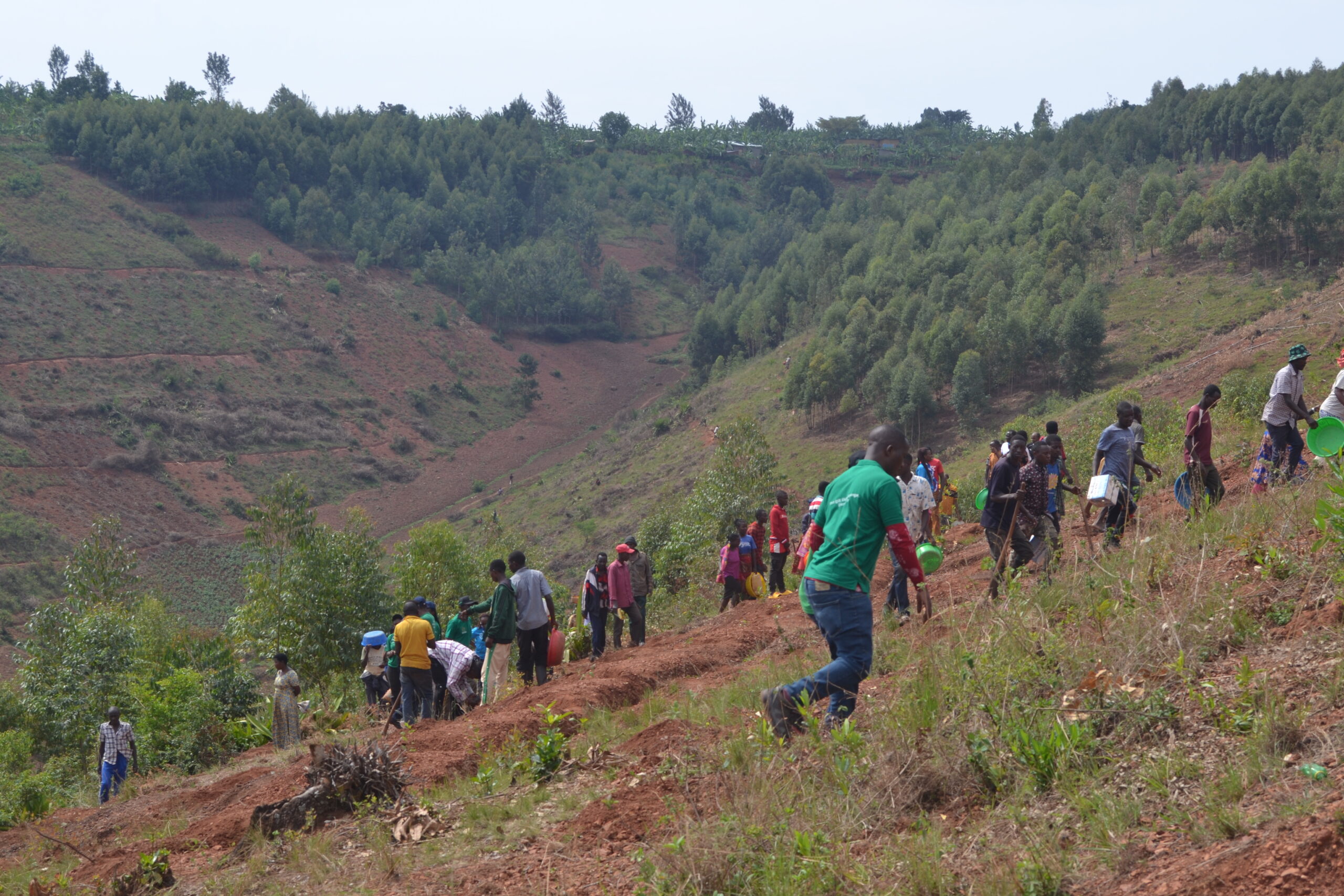
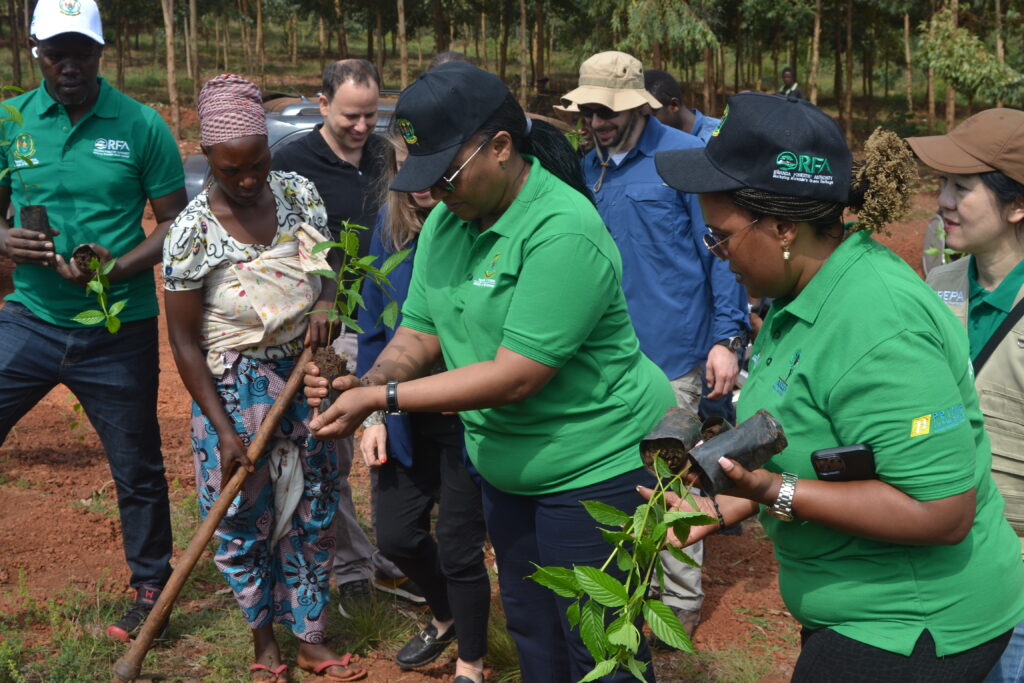
Rwanda is embarking on an ambitious environmental project, planting 63 million tree seedlings to combat climate change, foster resilience to extreme weather, and capitalize on carbon credit sales.
This initiative is part of the country’s broader 10-year climate action plan, aiming to reduce 4.6 million tonnes of carbon emissions by 2030, marking a 38% decrease in emissions.
The trees, which will be planted throughout the 2023/24 tree planting season, will consist of a mix of indigenous and exotic species. Indigenous trees, which are native to the region and adapted to local conditions, are particularly valued for their carbon sequestration potential. Meanwhile, exotic species, while requiring more care, will also contribute to the overall goal.
These efforts align with Rwanda’s commitment under Article 6 of the Paris Agreement to engage in carbon markets.
Concorde Nsengumuremyi, the Director General of the Rwanda Forestry Authority, highlighted that the project will not only help the environment but also strengthen Rwanda’s position in the global carbon market. “The trees planted will provide carbon credits that can be traded internationally, offering a sustainable source of revenue,” Nsengumuremyi said.
The government’s extensive planting plan includes 4.9 million fruit trees, 6.7 million ornamental trees, 273,590 bamboo trees, and over 34 million agro-forestry trees. Additionally, efforts will focus on rehabilitating 1,000 hectares of degraded forests and planting trees along 500 km of roadsides. Specific districts such as Nyagatare, Rulindo, Nyabihu, and Nyamagabe, with limited forestry interventions, will also see increased efforts in tree planting.
The initiative also addresses Rwanda’s need for sustainable cooking technologies. In a bid to reduce deforestation caused by charcoal use, the government plans to distribute 5,000 energy-efficient cookstoves to households in Kirehe and Gakenke districts. These stoves are designed to cut fuel consumption by up to 50%, helping reduce CO2 emissions and ease pressure on forests.
Rwanda’s climate action plan requires an investment of $11 billion by 2030, with $1.37 billion earmarked for reducing charcoal dependence, which currently stands at 83%. The success of these projects will not only help mitigate climate change but will also position Rwanda as a key player in the emerging global carbon market, attracting vital investment for both environmental restoration and economic growth.
This bold initiative underscores Rwanda’s commitment to tackling climate change and fostering a greener, more sustainable future for generations to come.