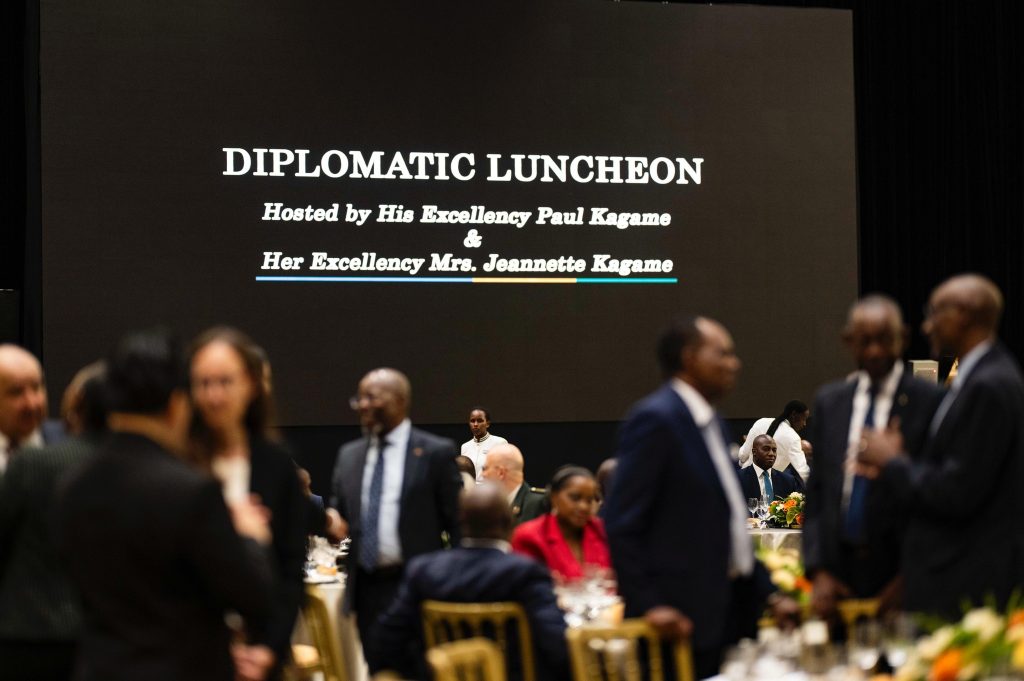


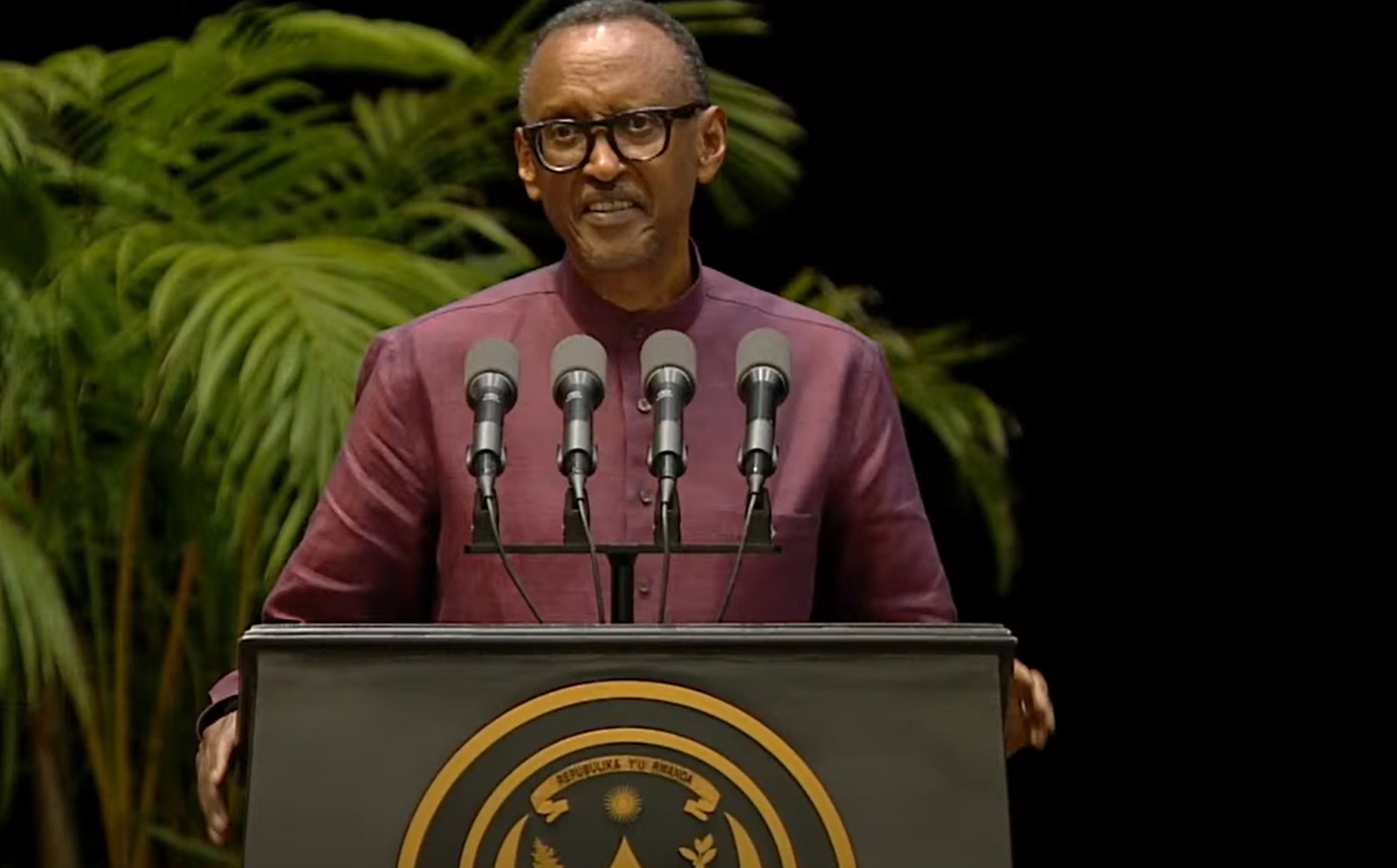
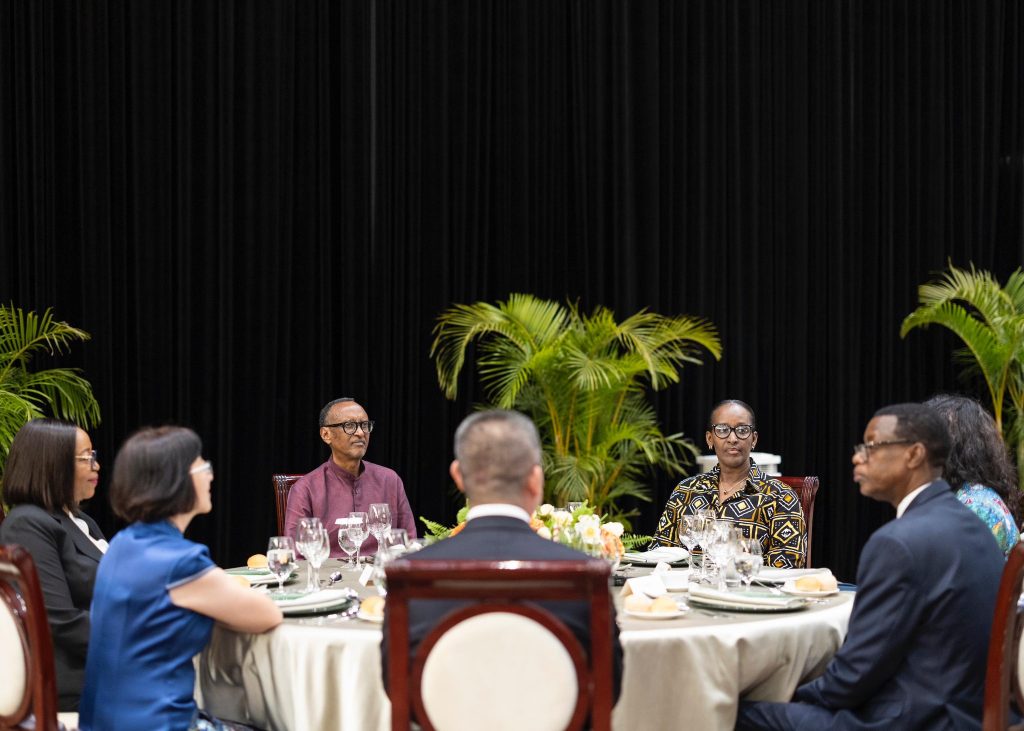
On January 16, 2025, President Paul Kagame addressed a group of diplomats and international representatives in Rwanda, sharing his thoughts on the ongoing insecurity in the Democratic Republic of the Congo (DRC).
The event, which also saw the participation of First Lady Jeannette Kagame, gave the president a chance to speak candidly about Rwanda’s role in the region and the international community’s response to the crisis.
 In his speech, President Kagame expressed frustration over how the international community has continuously ignored the truth about the root causes of insecurity in the DRC. He pointed out that while there is clear evidence linking the FDLR—an armed group made up of those responsible for the 1994 Genocide against the Tutsi—to the ongoing violence in the DRC, these facts are often overlooked. Instead, Rwanda is blamed for fueling instability in the region.
The president explained that the FDLR continues to operate freely in eastern DRC, spreading genocide ideology and causing chaos. He emphasized that the group is supported by certain elements within the DRC government, yet the international community tends to ignore this, focusing their criticism on Rwanda.
Kagame also discussed the broader issue of how international values and principles are often applied selectively. While the world preaches the importance of truth, justice, and evidence-based decision-making, he argued that in the case of the DRC, these principles are often sidelined. “If we’re going to talk about values and interests, they should apply to everyone,” he said, stressing that truth and evidence must guide solutions to regional conflicts.
The president also acknowledged the complex history of the region. He pointed out that many of the issues in DRC stem from colonial-era decisions that created artificial borders and divided ethnic groups. This has led to tensions, with some Congolese people identifying as Rwandans simply because they speak Kinyarwanda, a situation not caused by Rwanda but by the arbitrary borders drawn during colonial times.

Despite the international community’s repeated calls for Rwanda to address the situation in DRC, President Kagame reminded his audience that the root causes of the crisis need to be dealt with. He stressed that solving the issue requires addressing its core, not just pushing the blame onto one country. “If you truly want to solve a problem, you must start from the root,” he said, explaining that it’s not about power, but about understanding the facts and acting based on evidence.
He also pointed out the failure of peacekeeping forces in the region. “The UN has had troops in eastern DRC for 30 years, but the problem remains unresolved,” he said. This, he argued, is a sign of a larger issue—the international community’s failure to take responsibility and address the situation effectively.
President Kagame also took a moment to reflect on Rwanda’s painful past. He reminded the diplomats that just a few decades ago, Rwanda was devastated by genocide. Many thought the country would never recover. Yet today, those who planned and carried out the genocide are still alive and continue to pose a threat, particularly in neighboring DRC. “The same people who killed innocent Rwandans are still out there, armed, and promoting the ideology of genocide,” he stated.
Despite these challenges, the president made it clear that Rwanda will not allow history to repeat itself. He urged the international community to work together to address the ongoing crisis in DRC, not by pointing fingers but by seeking true solutions grounded in truth and justice.
President Kagame reiterated that Rwanda will not tolerate any attempt to undermine its security and sovereignty. “We will not allow what happened 30 years ago to happen again,” he declared, calling for international cooperation to bring lasting peace to the region.