

After weeks of intense effort, Rwanda has made remarkable strides in controlling the Marburg Virus Disease (MVD) outbreak, and the world is beginning to take notice. With no new cases reported for over two weeks, Rwanda is now being praised for its swift and effective response.
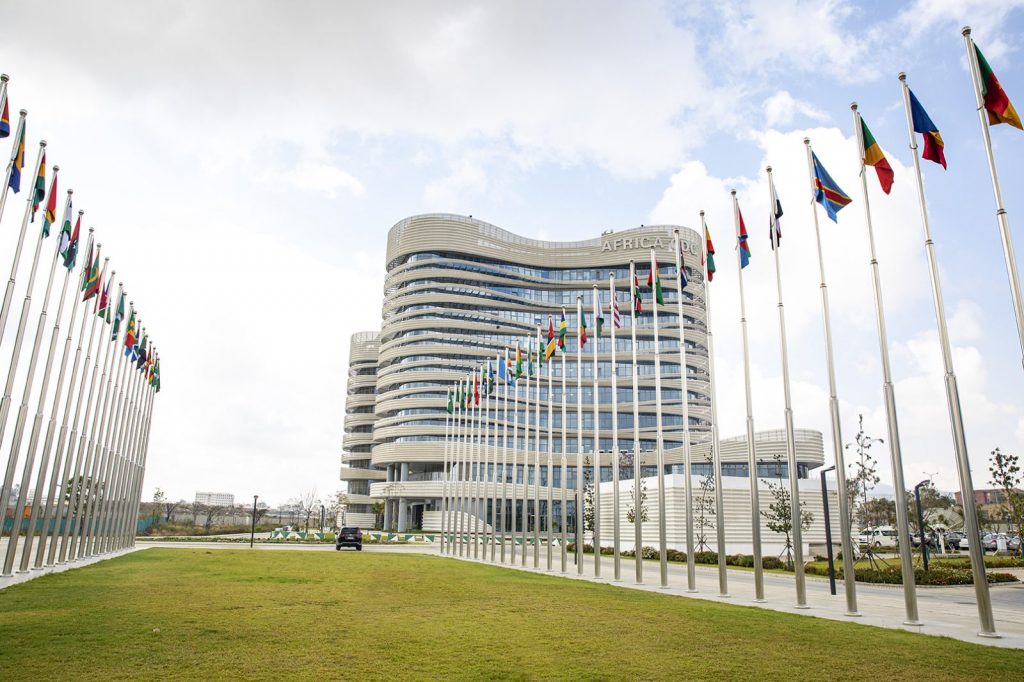
As part of these positive developments, the Africa Centres for Disease Control and Prevention (Africa CDC) is calling on the U.S. Department of Health and Human Services (HHS) and the U.S. Centers for Disease Control and Prevention (CDC) to reassess the Level 3 travel advisory issued for Rwanda in October, which warned travelers to “Reconsider Travel” due to the outbreak.
The Marburg Virus outbreak, declared in Rwanda on September 27, 2024, sent shockwaves through the nation. But thanks to rapid and coordinated action, including extensive international collaboration, the virus has been largely contained. As of November 17, it had been 18 days since the last reported case. All individuals who had contracted the virus have successfully recovered, and Rwanda’s health systems are now fully equipped to manage any future cases.
A Coordinated Response to a Growing Threat
Rwanda’s response to the Marburg outbreak is being hailed as a textbook example of public health management. Early on, the country implemented a series of bold measures to track and contain the virus. Surveillance systems were enhanced across the country, enabling quick detection of new cases. Innovative contact tracing methods were deployed, ensuring that anyone who came into contact with an infected person was immediately monitored and isolated. Treatment facilities were expanded and upgraded to meet global standards, while the government launched a comprehensive public education campaign to inform citizens about the virus and how to protect themselves.
Rwanda’s approach to Marburg not only focused on health infrastructure but also embraced a community-driven model. Health officials worked tirelessly alongside local leaders to ensure that everyone, from urban centers to remote villages, understood the importance of prevention and early detection. Surveillance was extended to monitor potential animal sources of the virus, including fruit bats, which are believed to be the original carriers of the disease.
The results of these efforts have been impressive. Of the 66 reported cases, 51 individuals have fully recovered, and the country’s case fatality rate has been kept relatively low at 22.7%, a significant improvement compared to other outbreaks in the region. Dr. Sabin Nsanzimana, Rwanda’s Minister of Health, expressed optimism about the country’s progress during a recent briefing. “More than a month without a death from Marburg is a clear sign of the progress we’ve made, but we remain vigilant,” he said. The country continues to monitor potential reservoirs of the virus, including caves where fruit bats are known to roost.
International Recognition and the Urgent Call for Action
The success in Rwanda has been acknowledged by both Africa CDC and the World Health Organization (WHO). These organizations have confirmed that the risk of further Marburg transmission remains low, with no new cases reported outside Rwanda or in the United States. Despite this positive progress, the ongoing U.S. travel advisory continues to have an impact on Rwanda’s economy, particularly its tourism and business sectors, which are vital to the nation’s recovery.
In light of the current epidemiological situation, the Africa CDC has formally called on the U.S. to reconsider its travel advisory. Dr. Jean Kaseya, Director General of the Africa CDC, wrote to U.S. health officials urging them to update the advisory to reflect Rwanda’s achievements in containing the virus. “Revising the advisory would not only recognize Rwanda’s public health success but also help support its economic recovery,” Dr. Kaseya stated. The advisory has had a significant impact on Rwanda’s tourism and business sectors, which are key contributors to the country’s economy.
Looking to the Future
Rwanda’s successful management of the Marburg outbreak demonstrates the power of coordinated international health efforts. The swift response, strengthened by support from the Africa CDC, WHO, and various global partners, has proven that rapid action, effective surveillance, and public awareness can make a significant difference in controlling outbreaks.
As Rwanda continues to recover, health experts emphasize the need for global solidarity and the importance of lifting travel restrictions that no longer reflect the on-the-ground realities. “We continue to work together to protect global health,” Dr. Kaseya said, reaffirming the strong partnership between Africa CDC and the United States in safeguarding health security worldwide.
Rwanda’s fight against Marburg is far from over, but the nation’s determination, resilience, and the ongoing international collaboration set an inspiring example of what can be achieved in the face of a public health crisis.